

Why an ingestible device needs power
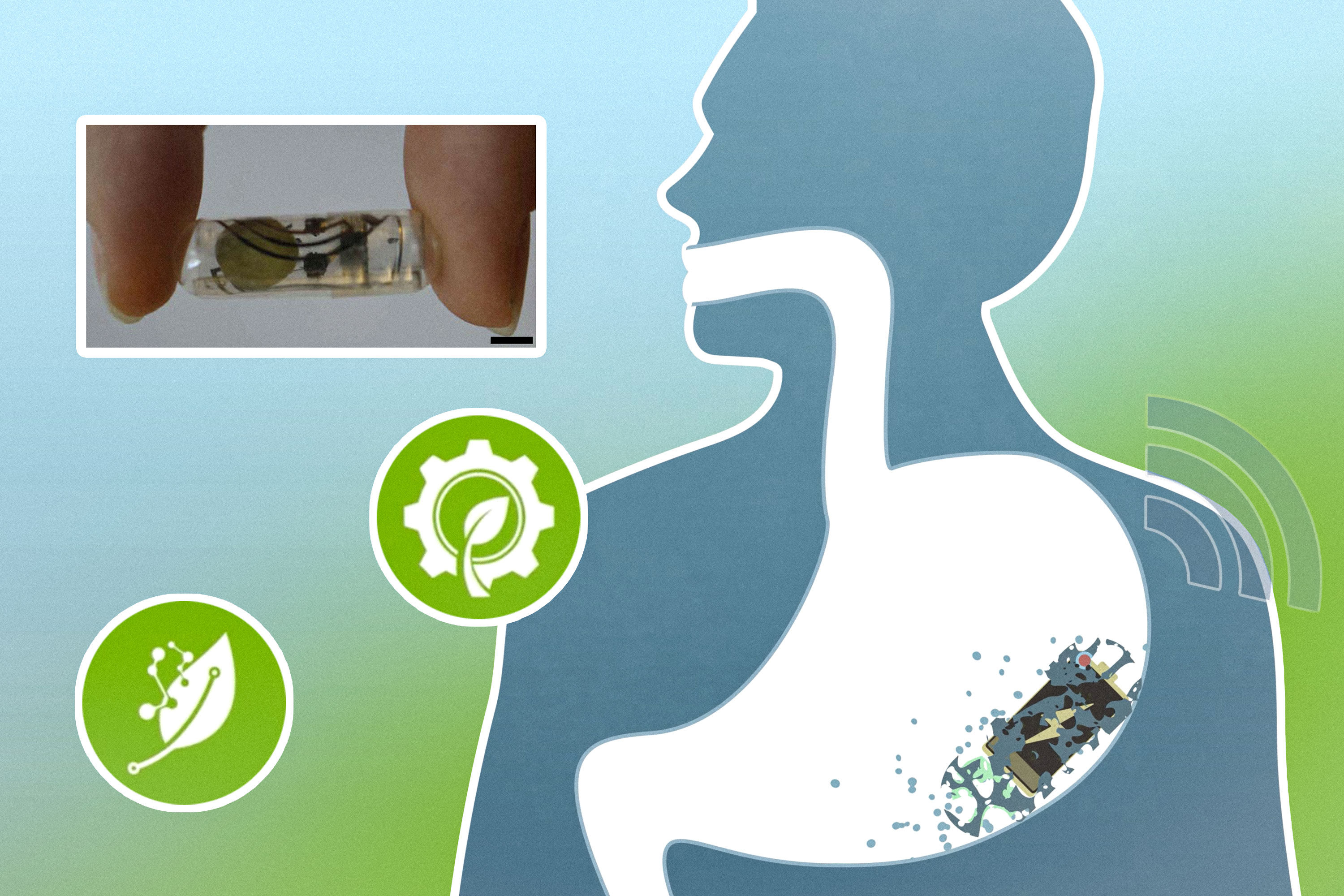
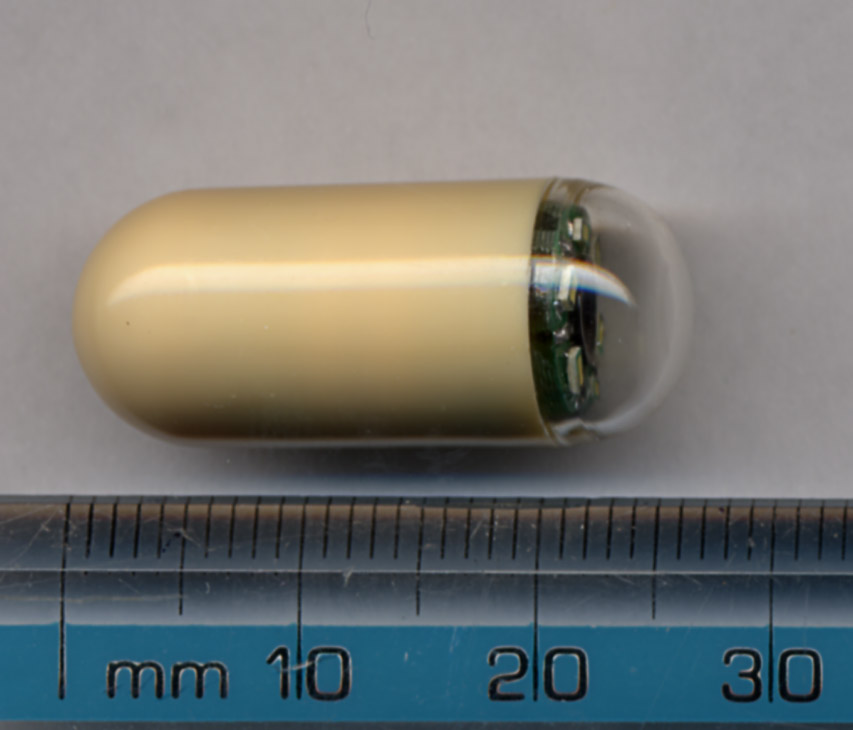
A swallowed electronic capsule may measure conditions in the digestive tract, transmit information or stimulate tissue. A simple passive tag can sometimes borrow energy from an external reader. More demanding functions need steady power inside the body. Ordinary button cells can provide it, but their intact casing matters: leaked chemicals could create a hazard. researchers asked whether a battery could instead be made from ingredients designed to break down gradually. Safe use would still depend on dose, chemical form and the path through the body.
The battery chemistry
The prototype uses magnesium as its anode and molybdenum trioxide as its cathode, separated by a gel electrolyte. Reactions at the electrodes drive electrons through the device’s external circuit. The highest measured open-circuit voltage was about 1.84 volts. One version is a disc around 7.5 millimetres wide; another is a bar 24 millimetres long. Voltage alone does not determine how long the electronics can run. Capacity, electrical load and the surrounding digestive conditions also matter.
Euchiasmus / Wikimedia Commons · Sources ↗ · Image terms ↗
Testing degradation
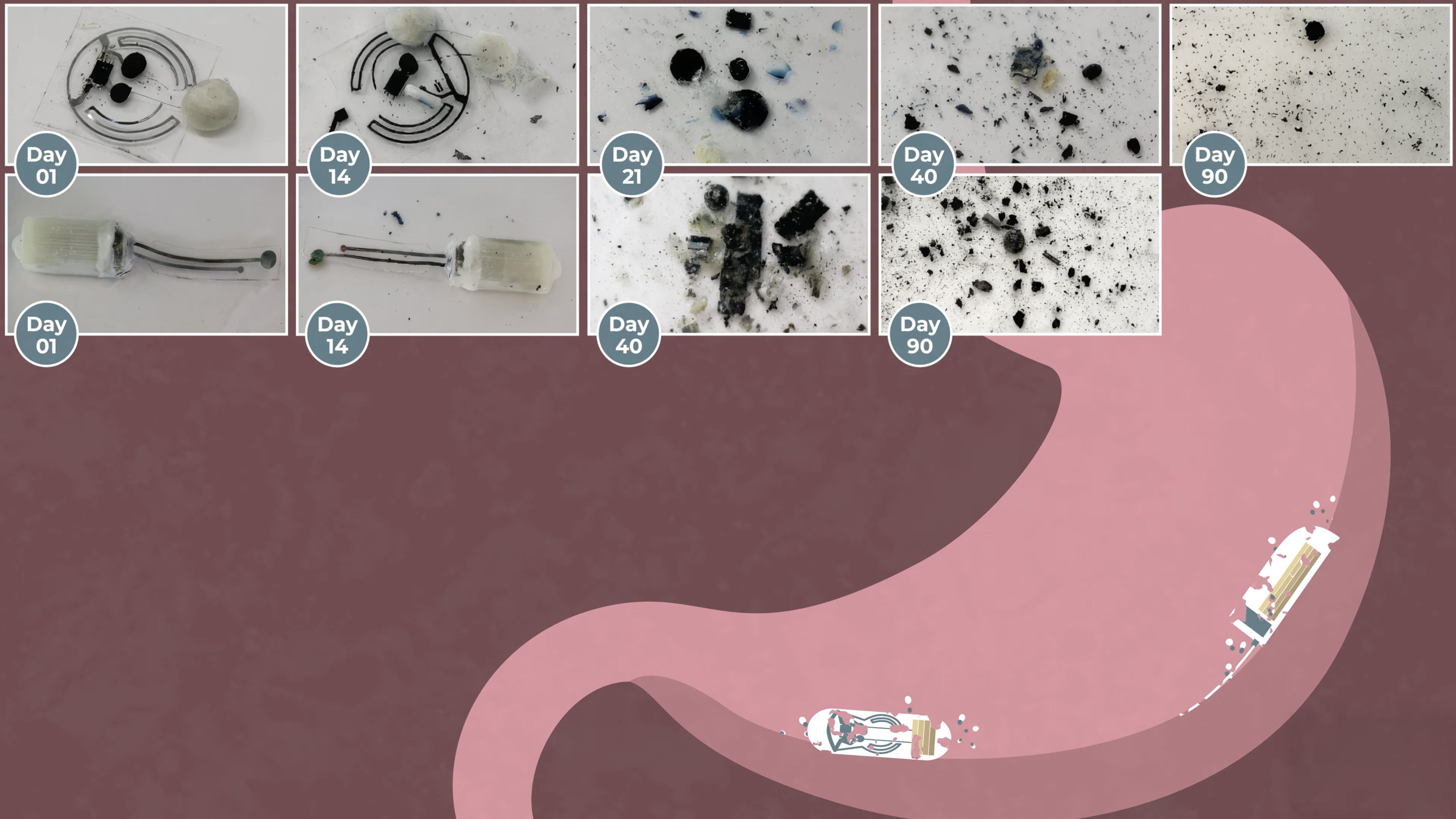
In a strongly acidic solution designed to resemble the stomach, the batteries worked for roughly three days before their output began to decline. Their materials then broke down over subsequent weeks. A laboratory solution is useful for controlled measurements but cannot reproduce constantly changing food, fluid, movement and acidity in a living digestive tract. The team therefore also tested functional devices in animals. These tests show possibilities, not a finished human medical product.
Courtesy of the researchers / MIT News · Sources ↗ · Image terms ↗
Two working demonstrations
The first device delivered short electrical pulses to the stomach lining. In animal experiments, twenty minutes of stimulation was associated with roughly a 50% rise in ghrelin, a hormone linked to appetite. That is a measurable biological effect, not proof of a clinical treatment. The second device was an tag that transmitted a signal from the digestive tract over a distance of up to about 1.5 metres. Future tracking applications would also have to address reliability, consent and health-data privacy.
What remains uncertain
The battery may degrade, but the printed circuit board in one demonstrated device does not yet do so. Researchers still need to measure breakdown products, doses, variability between people and effects of repeated use. Animal experiments cannot replace carefully designed human trials. The strongest conclusion for now is specific: a very small battery powered two experimental electronic tasks and gradually degraded afterward. Further testing must establish whether a complete device can work safely in people.
Key terms
are battery electrodes; is radio-frequency identification, while ghrelin is a hormone involved in hunger signalling.