
How and why?
Clear answers to questions worth asking.
 Technology
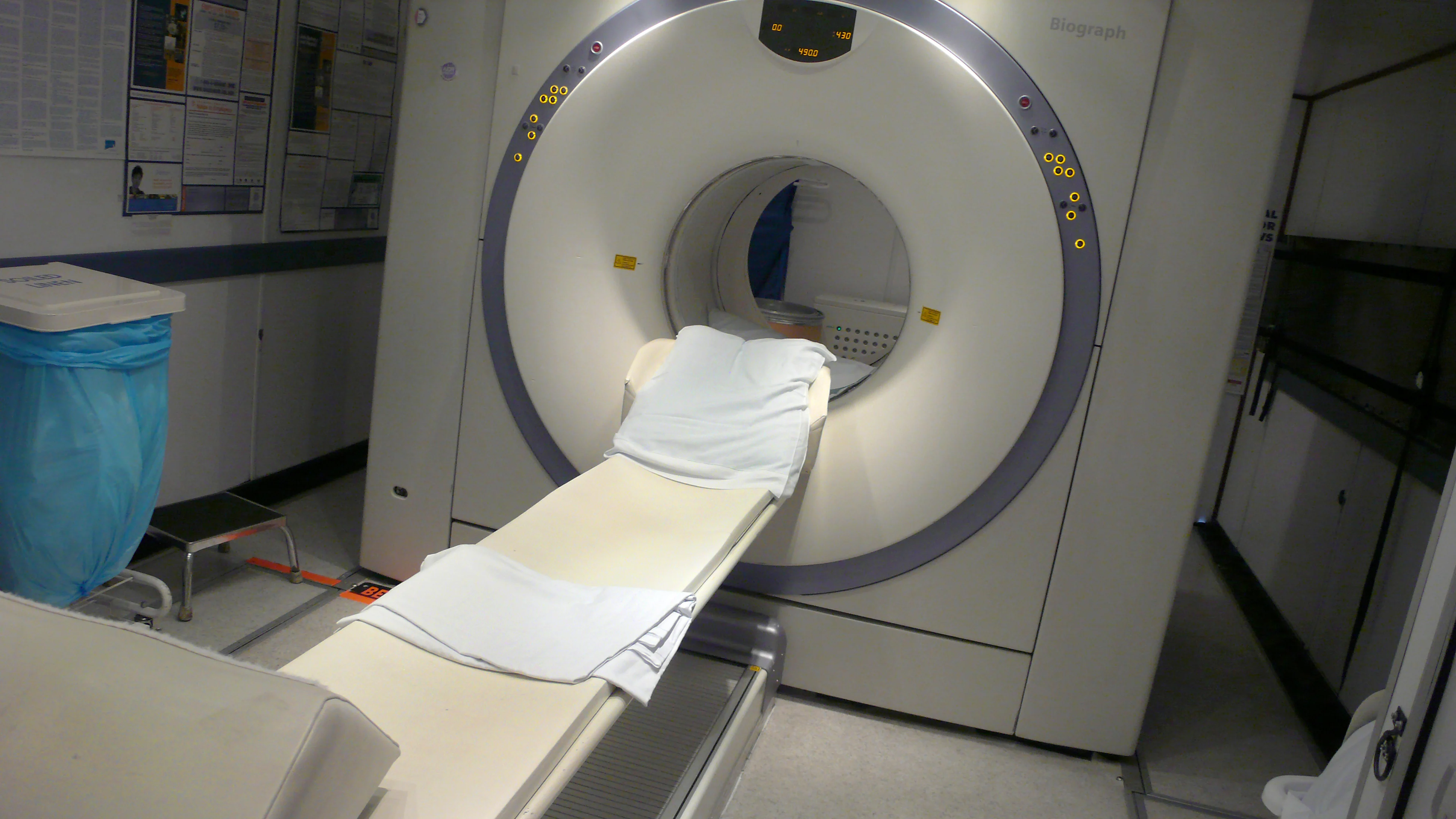
How PET scanners work: from positrons to images of tumours, hearts and brains
PET reveals more than the shape of an organ: it shows where a carefully selected labelled substance has accumulated. Paired with CT, it connects the chemistry of tissue to anatomy. The path from one radioactive atom to a medical image brings together nuclear physics, cell biology and the computer processing of millions of signals.
 Technology
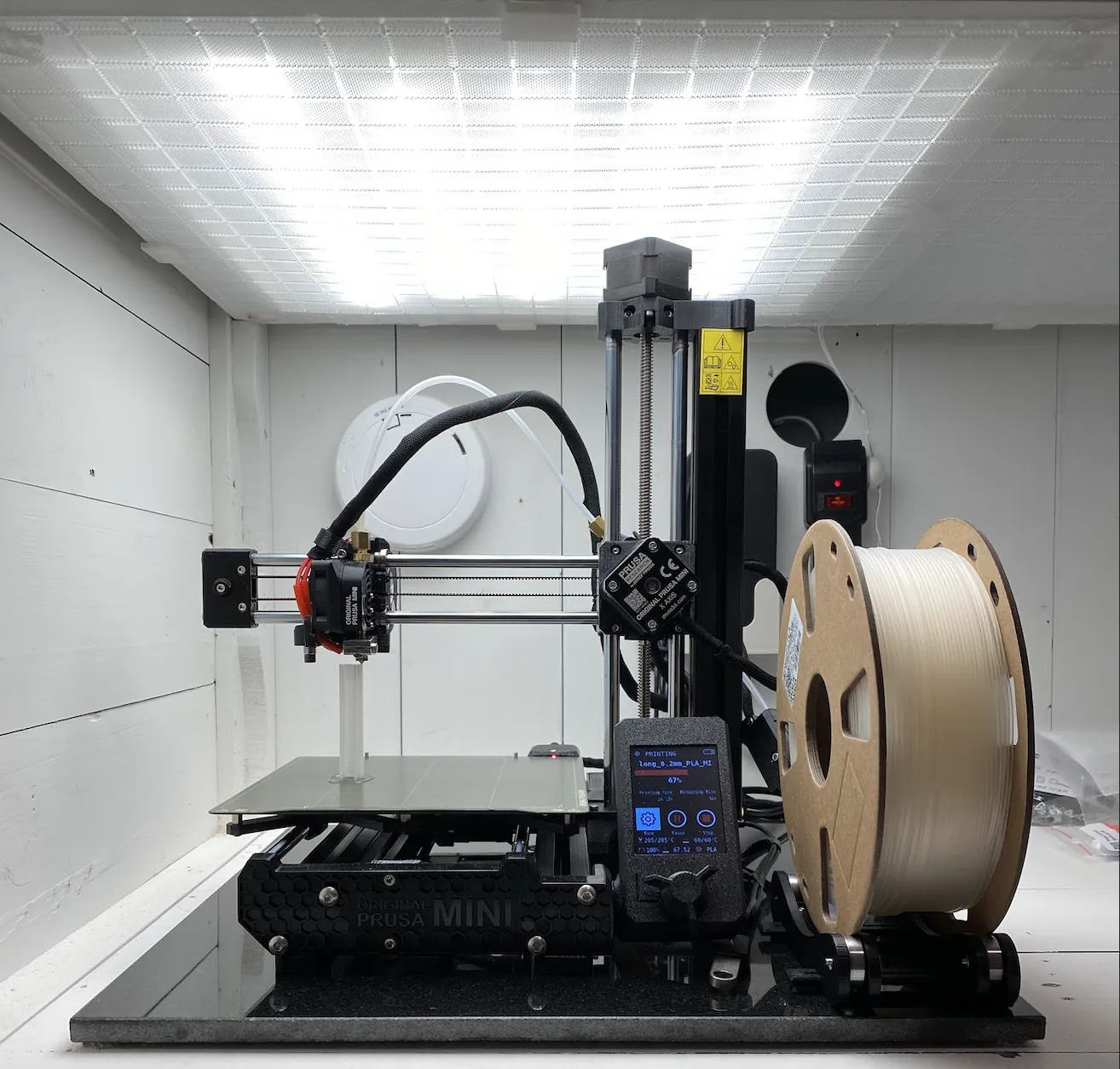
How a 3D printer works: from a digital model to an object in your hand
We draw an object on a screen and, a few hours later, lift it off a build plate. Between those moments lies a series of decisions: how to turn the model into layers, which material to use, and how to stop the finished part from warping or falling apart.
 Space
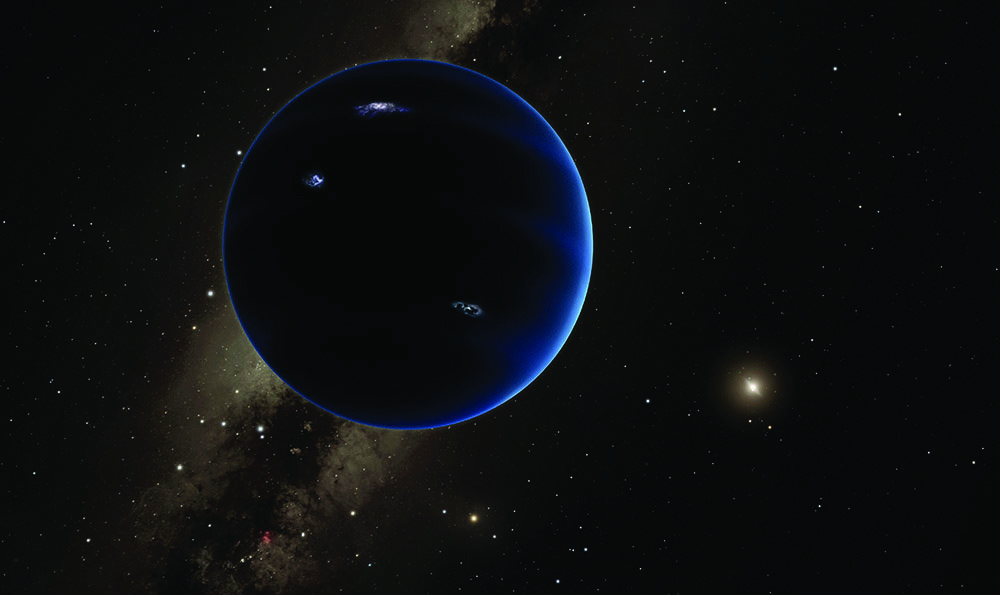
SpaceThe search for Planet Nine
The full feature is currently published in Serbian. This page summarises its verified findings.
 Space
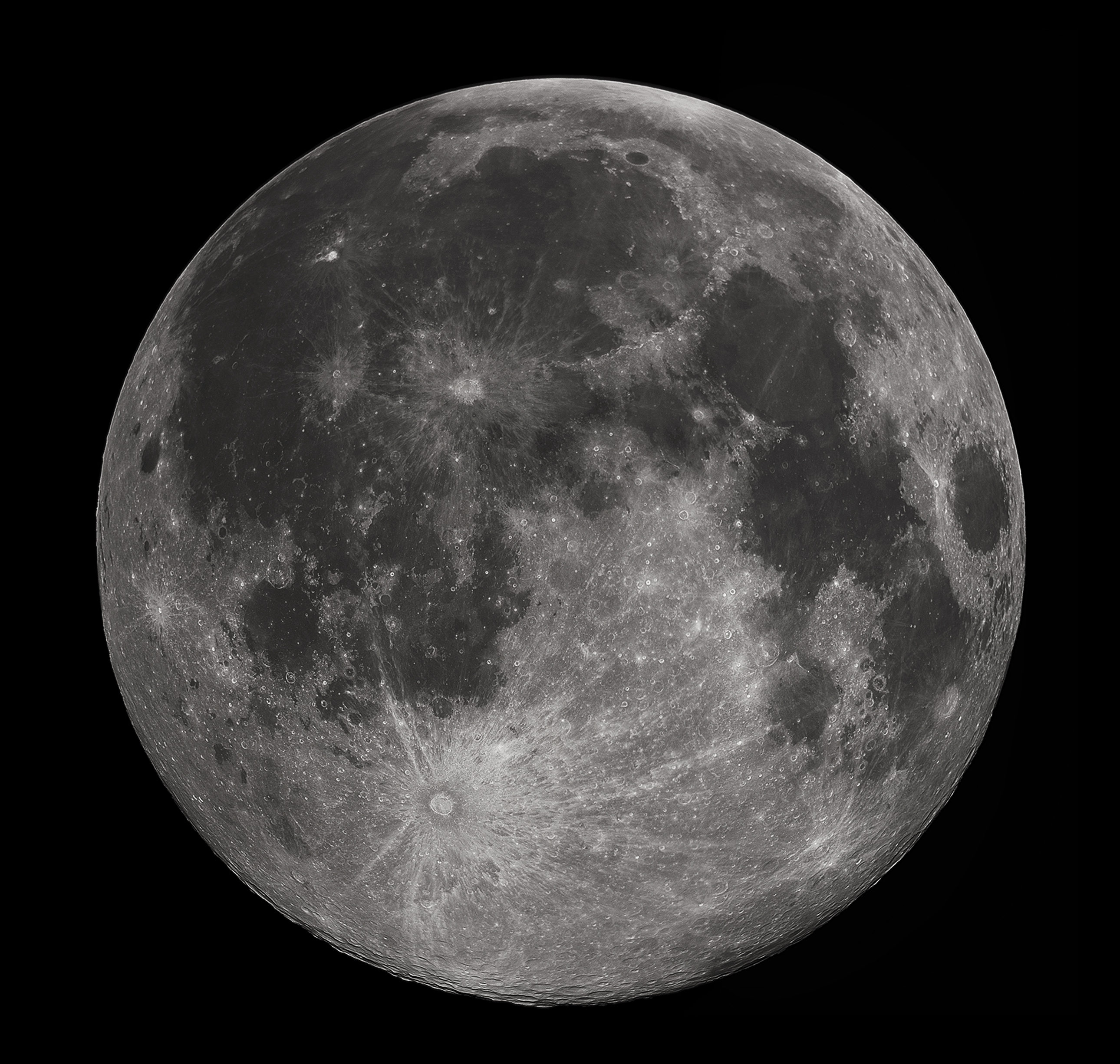
SpaceWhy do we call the Moon the Moon? A story of the sky, language and measuring time
Jupiter has Europa, Io, Ganymede and Callisto. Saturn has Titan and Encelad. And Earth has — the Moon. At first glance, our nearest celestial neighbour seems to have missed out on a special name while all the others received more interesting ones. Yet the Moon itself provided the starting point for naming other bodies of this kind. Its name connects the history of astronomy with the history of language: long before telescopes and space probes, changes in its appearance helped people count days and follow the passage of time.
 Psychology
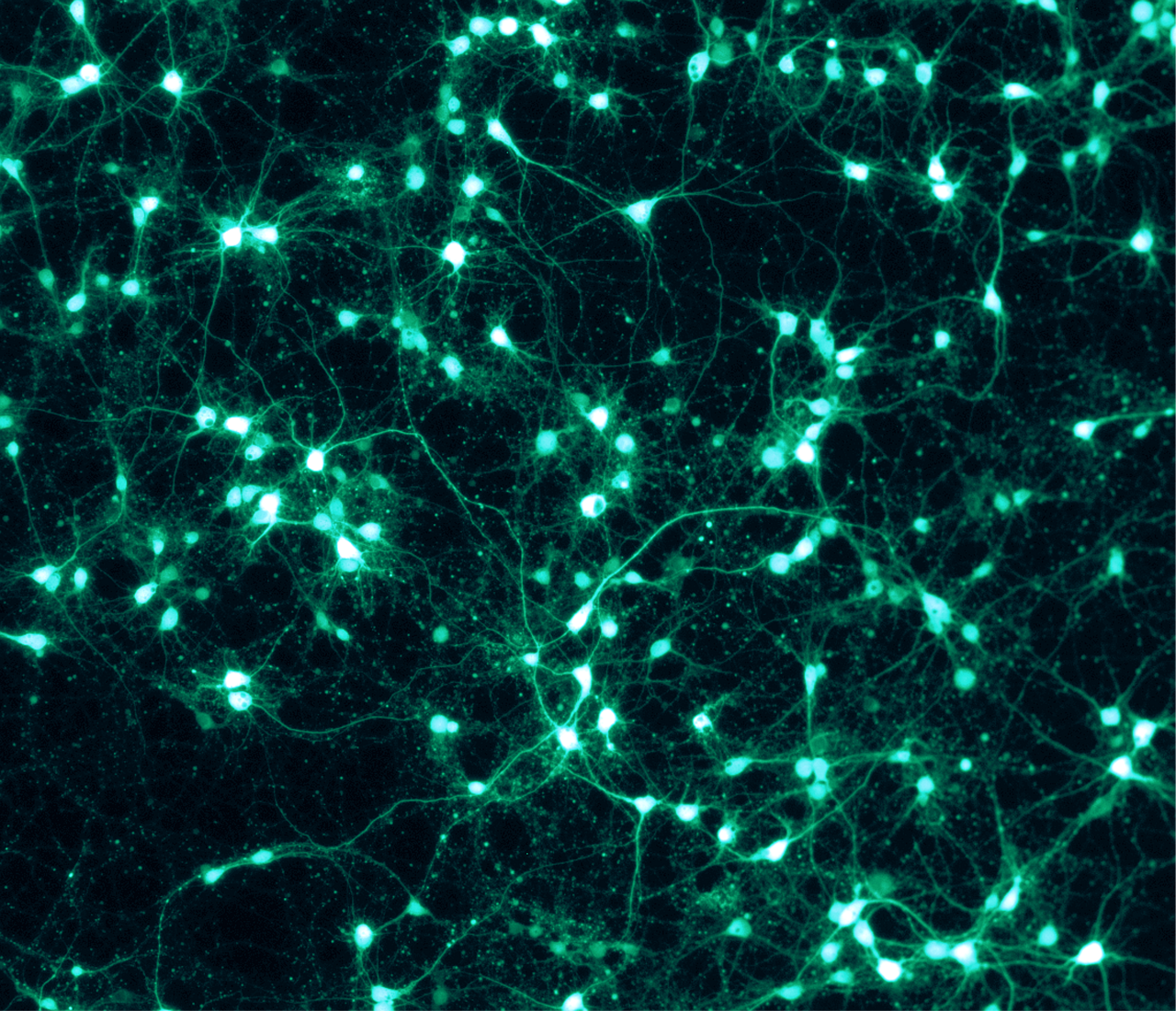
How does the brain change as we learn? What neuroplasticity really means
When we first try to play a melody, solve a physics problem or speak a sentence in a new language, the task is slow and demands attention. Practice makes it easier. That change is more than a feeling: experience affects how nerve cells communicate and how whole networks take part in a task. We call this capacity neuroplasticity. It remains with us throughout life, although its form and extent depend on age, brain region and the skill involved.
 Ecology
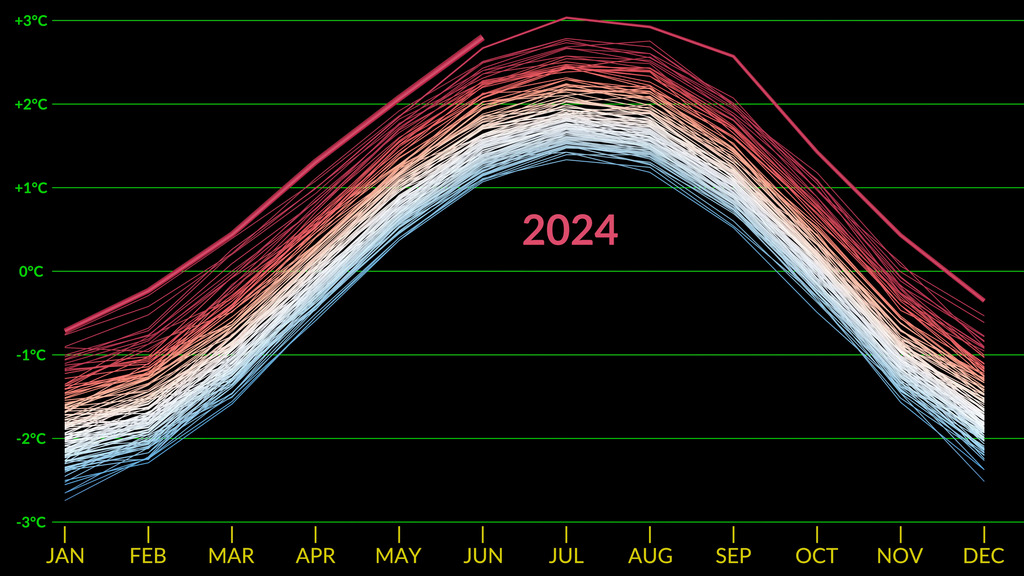
How do we know the climate is changing?
Temperature is one clue among many: researchers compare measurements of air, oceans and ice.
 Technology
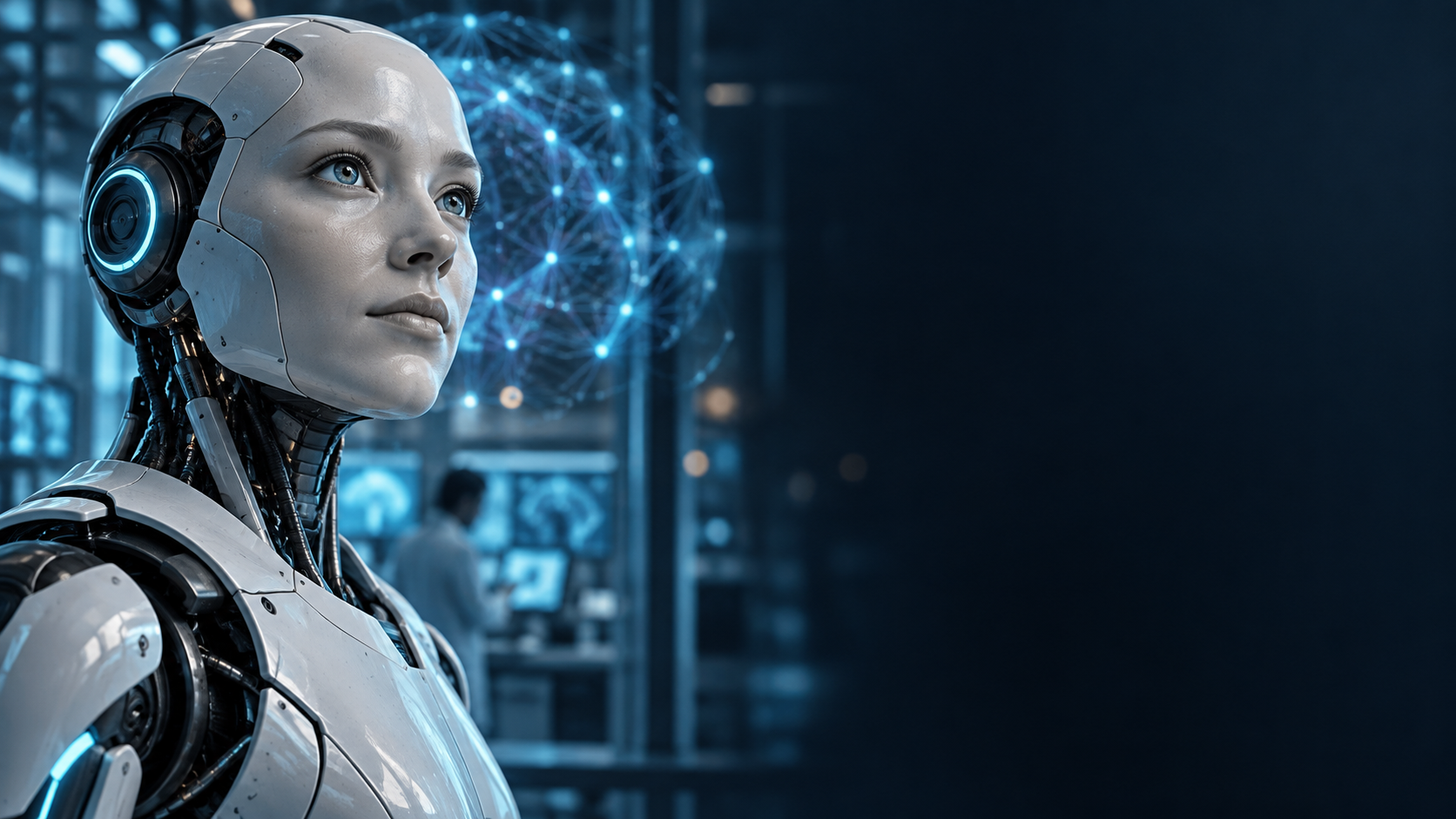
How much can we trust AI?
AI tools can be useful, but a convincing answer is not necessarily a correct one.
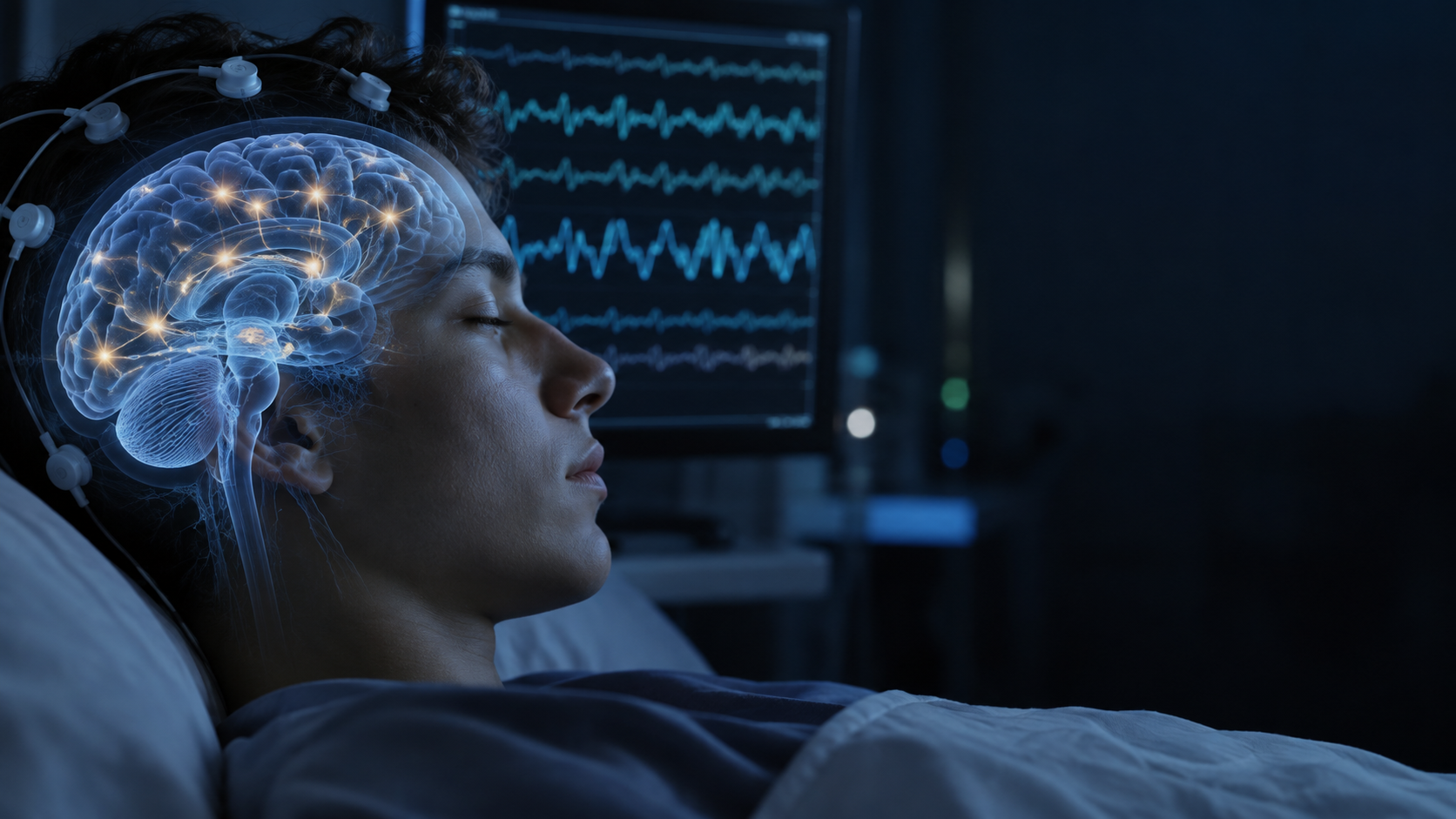 Psychology
Why do we dream?
Dreams are real experiences during sleep, but their exact purpose is still unknown.
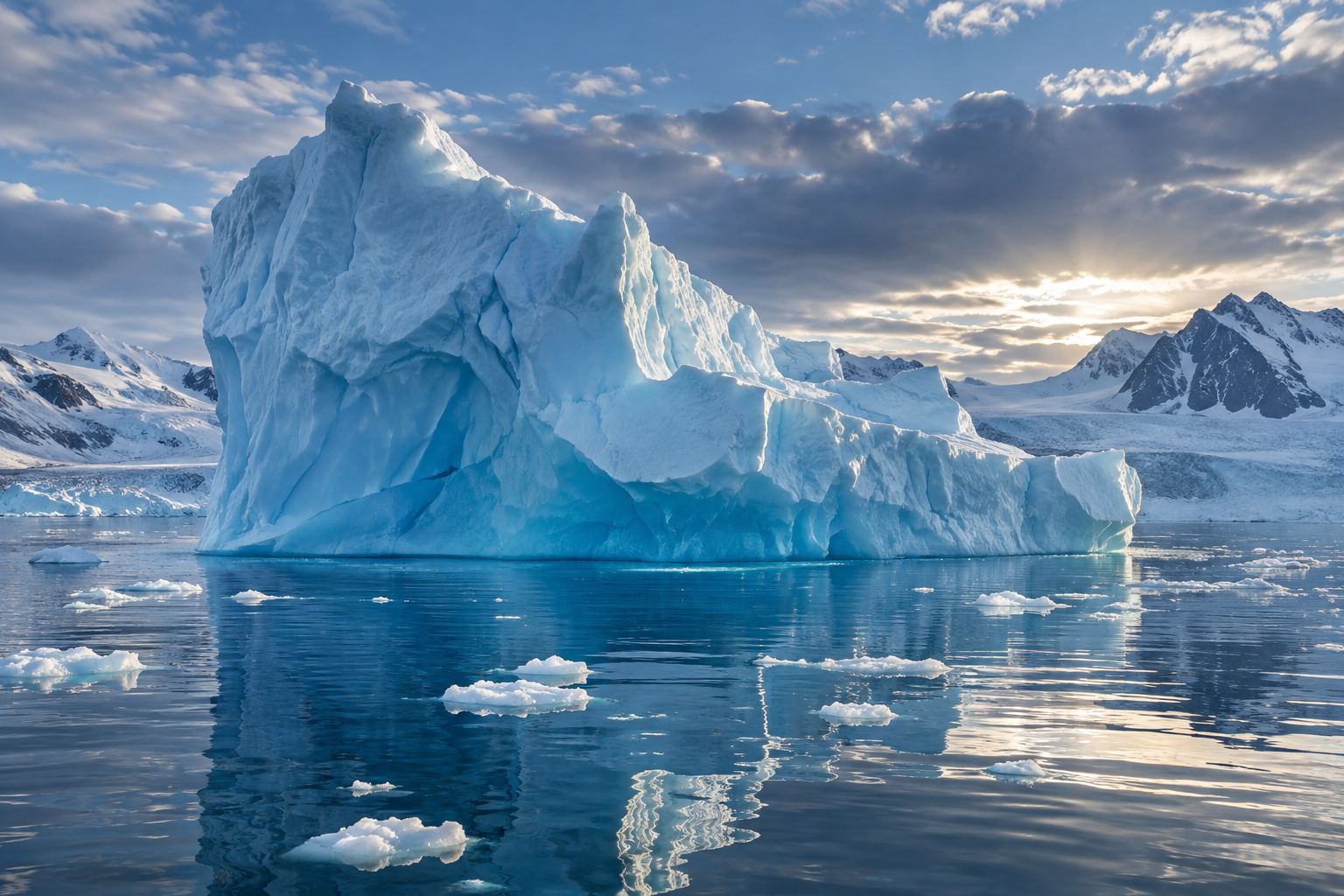 Physics
Why does ice float?
Water expands as it freezes, leaving ice less dense than liquid water.
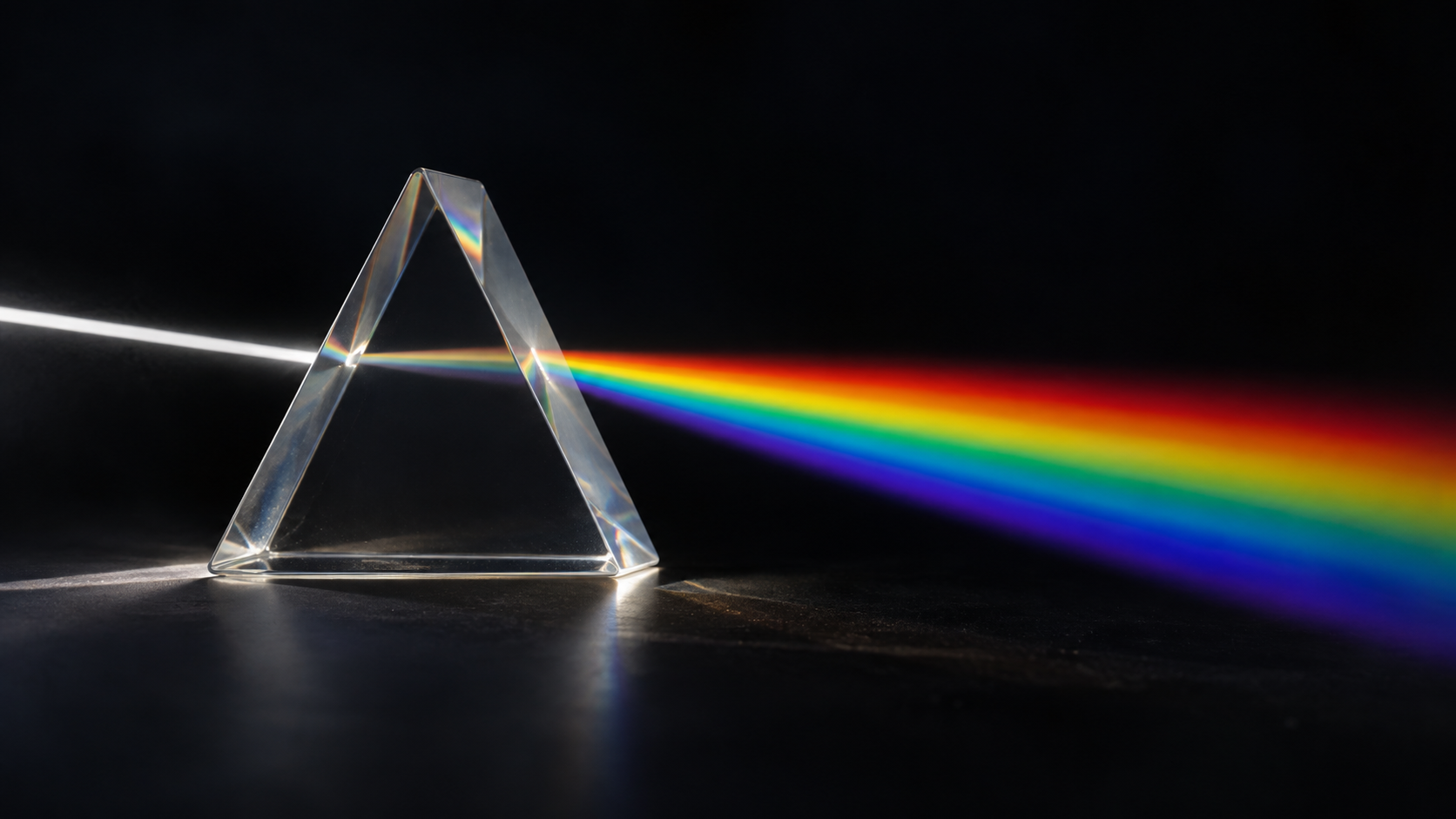 Physics
Why is the sky blue?
The answer lies in how air molecules scatter sunlight.
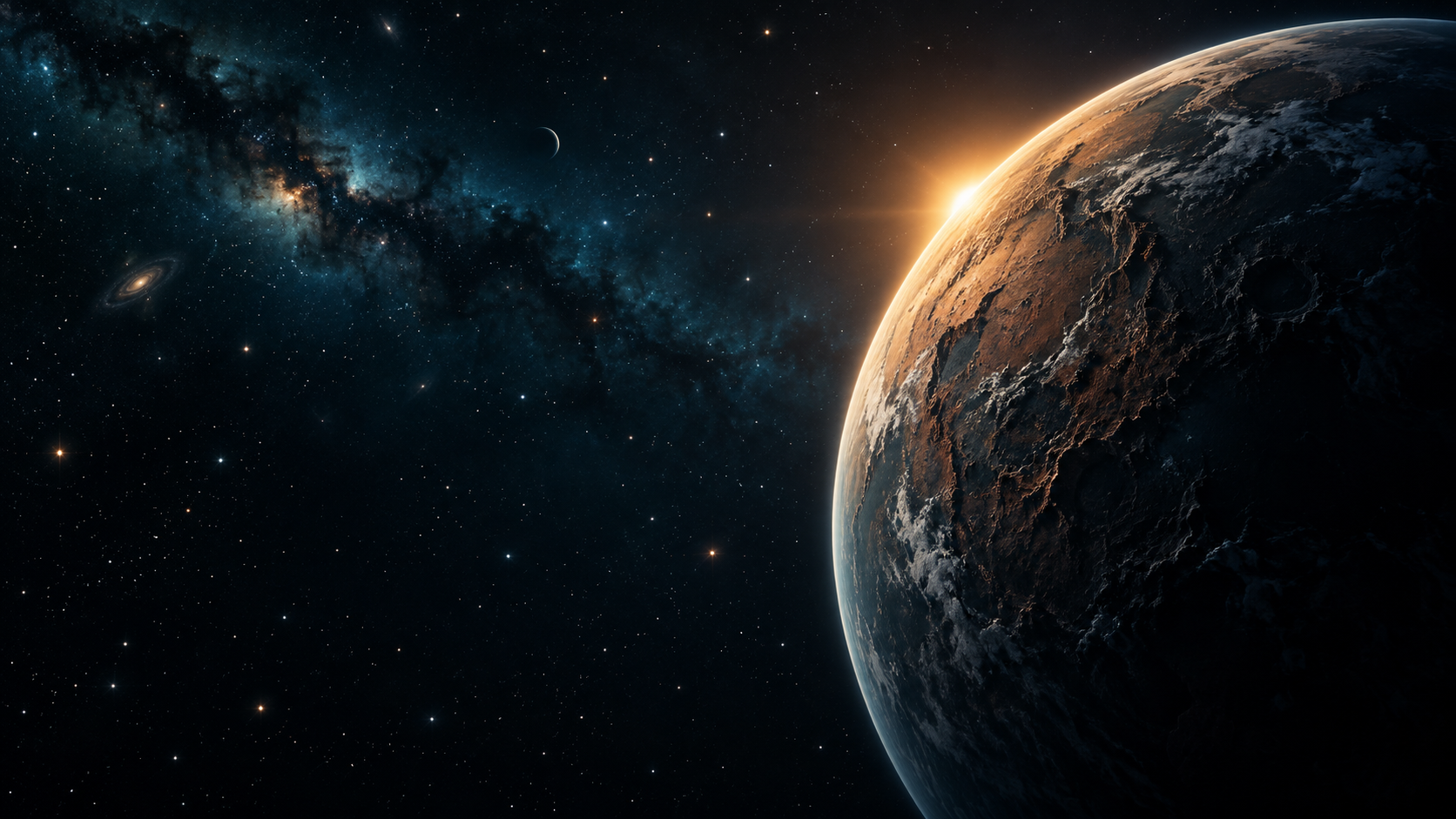 Space
SpaceCan we really find life on other planets?
Scientists look for worlds that might support liquid water, but a possible sign of life is not proof of life.