

Living world
Nature in all its forms.
 Living world
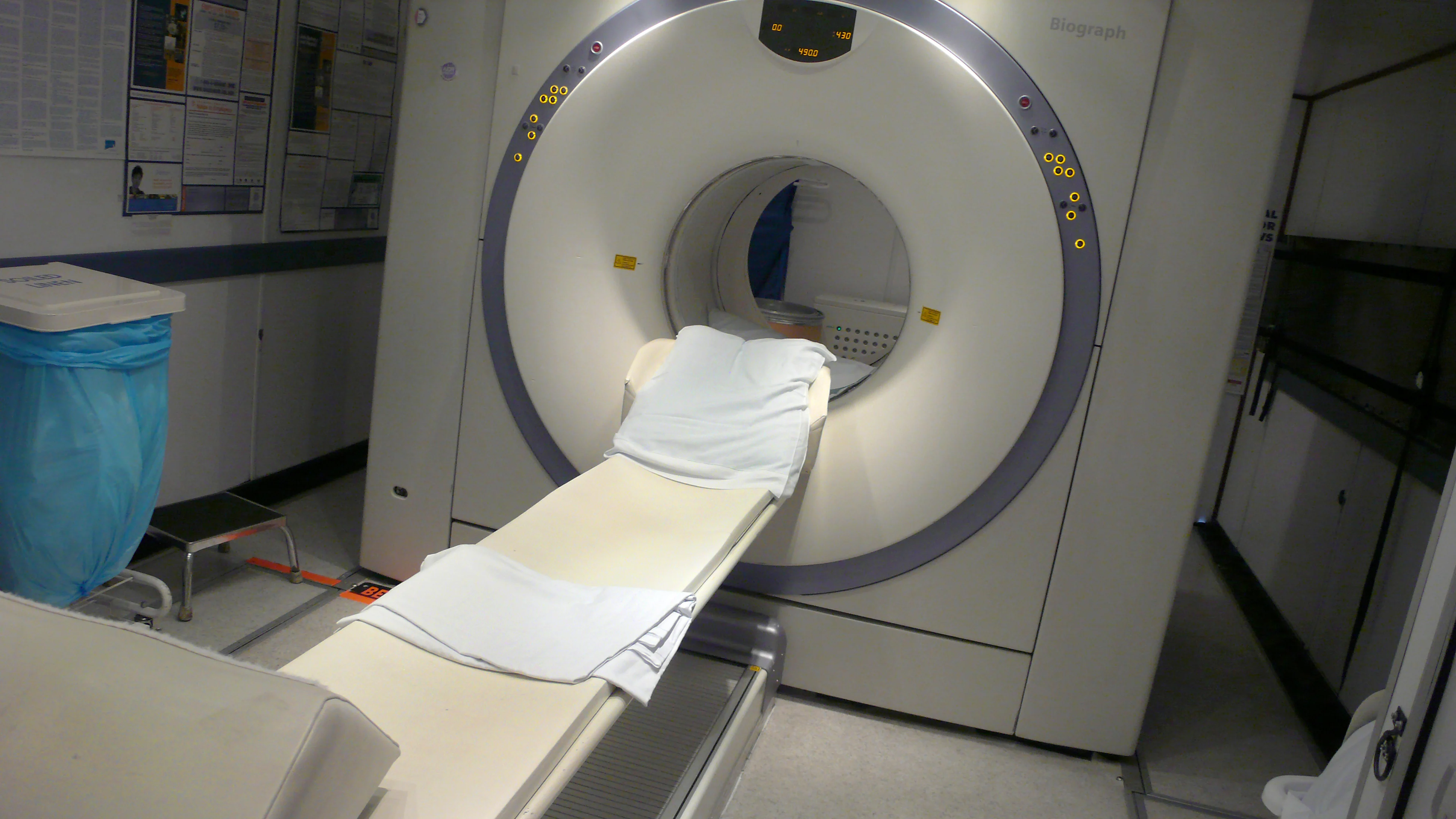
How PET scanners work: from positrons to images of tumours, hearts and brains
PET reveals more than the shape of an organ: it shows where a carefully selected labelled substance has accumulated. Paired with CT, it connects the chemistry of tissue to anatomy. The path from one radioactive atom to a medical image brings together nuclear physics, cell biology and the computer processing of millions of signals.
 Living world
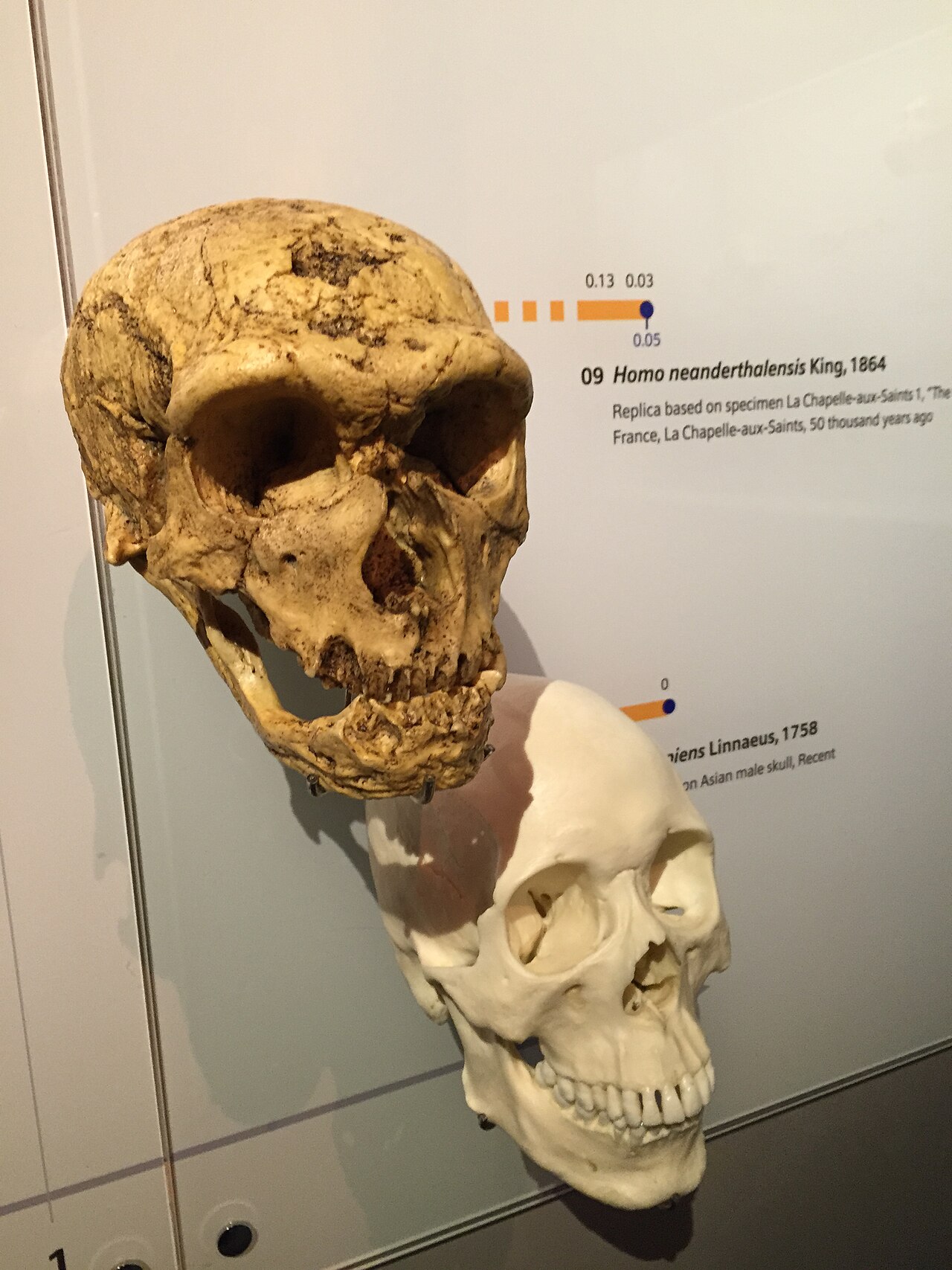
What did we inherit from the Neanderthals—and what are our genes really telling us?
Neanderthals are not just our ancient cousins from the museum display cases. Parts of their DNA survive in many people today. However, the sentence "we have Neanderthal genes" can be misleading: all humans already share a large part of their genetic material with them due to common ancestry, and the particular question is which variants were passed on through the mixing of the two populations.
 Living world
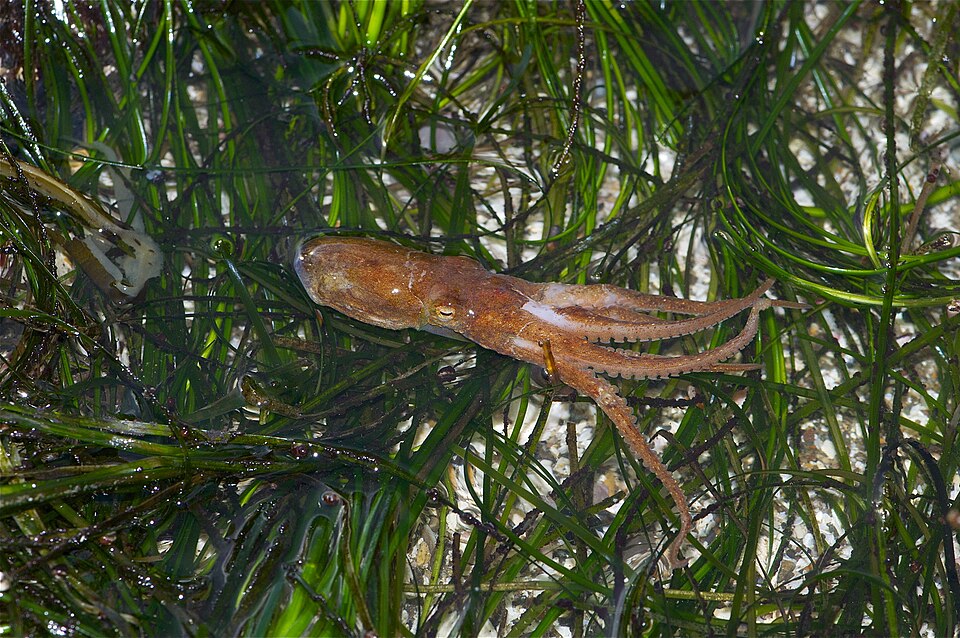
An octopus at the mirror: can a reflection show where prey is?
Three California two-spot octopuses learned to use a mirror to find a place they could not see directly. The experiment reveals a spatial skill, but does not show that they recognized themselves.
 Living world
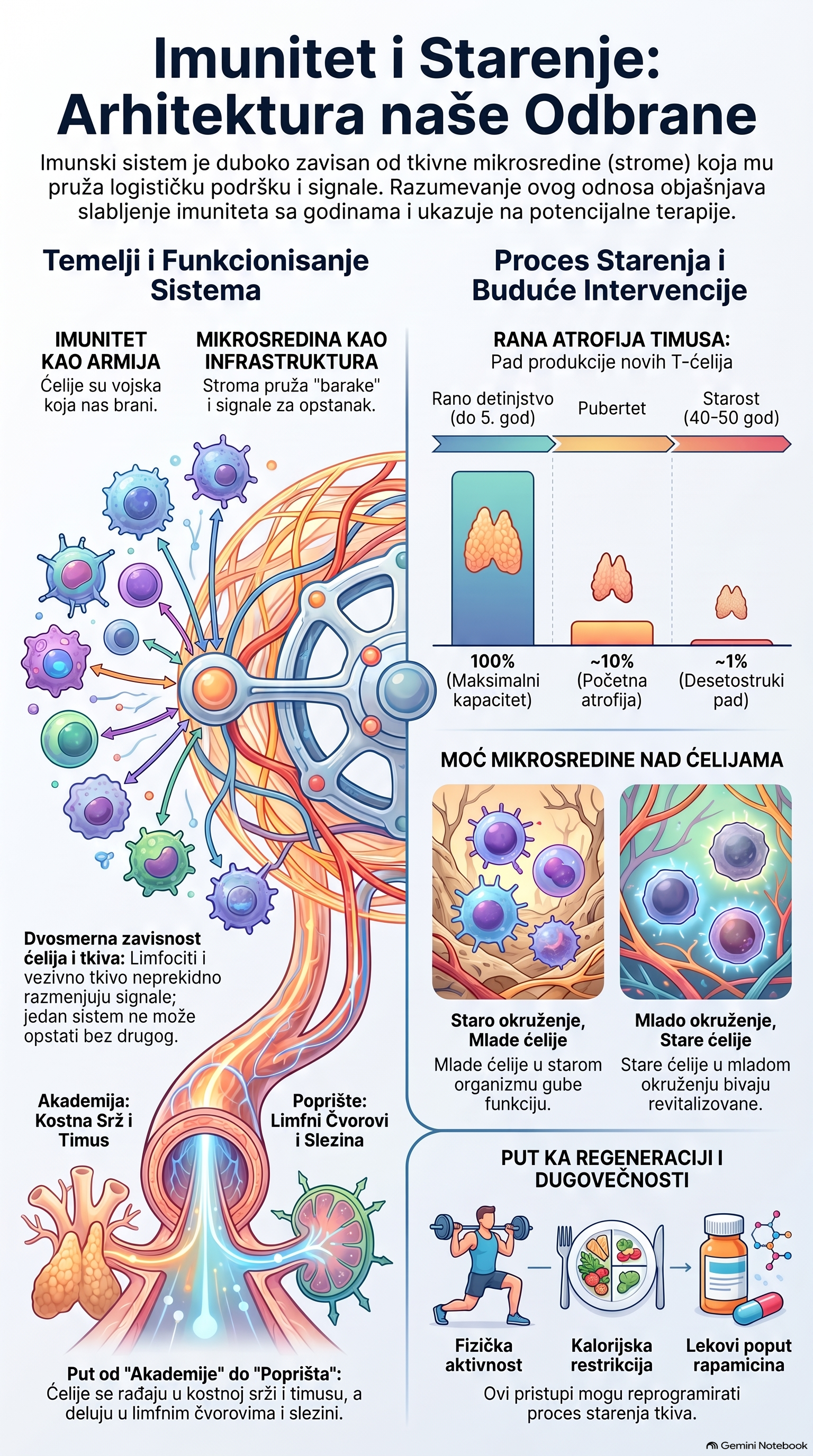
The secret of eternal youth lies in our cells: How scientists plan to “trick” the biological clock
We often compare the immune system to an army that protects us every day from dangerous infections and microbial attackers.
 Living world
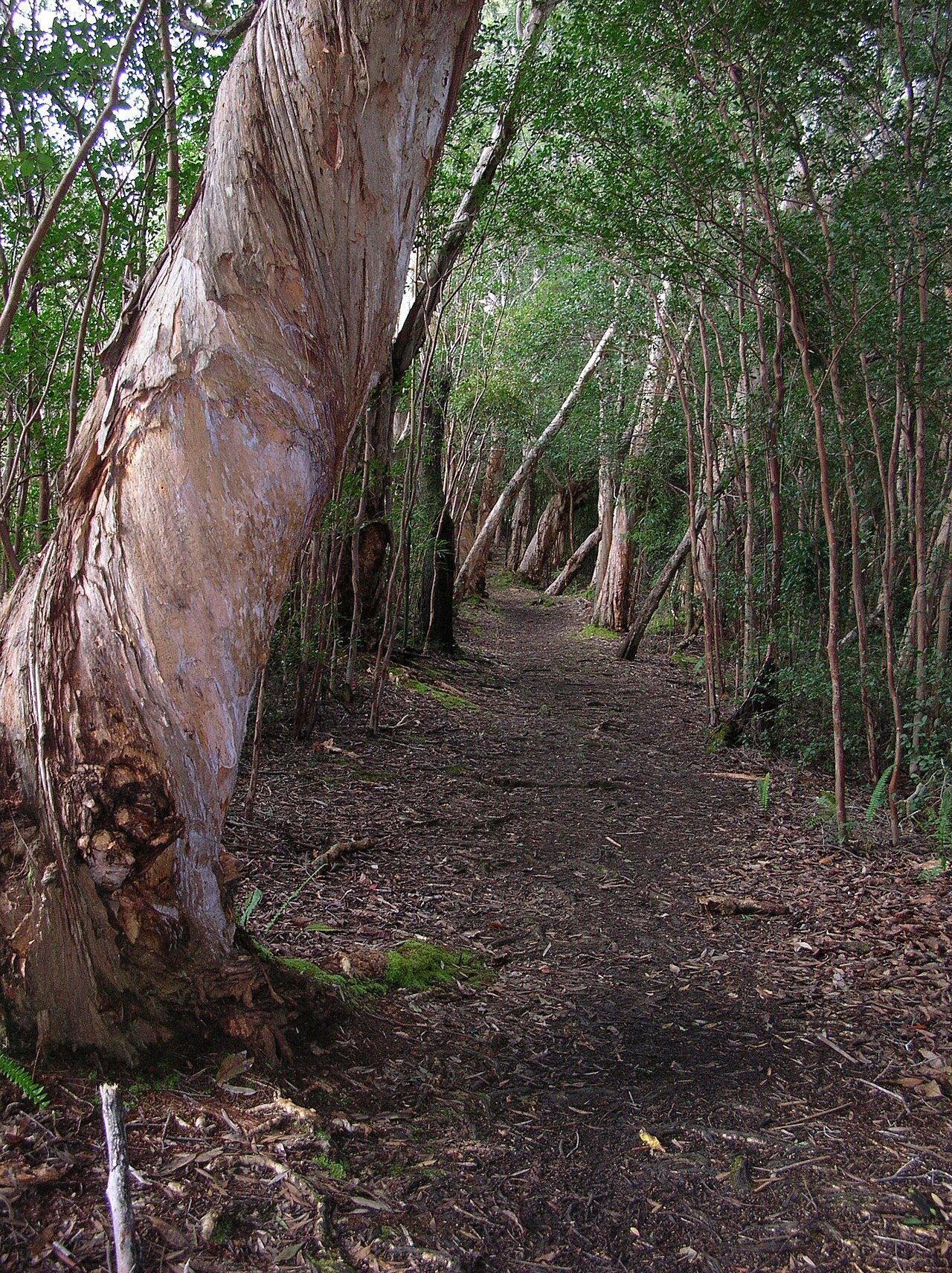
The unseen residents of tree bark: how microbes change the path of methane
When we look at a tree, we usually think of leaves taking up carbon dioxide through photosynthesis. Researchers have looked at the bark as well. It houses communities of microorganisms that use gases moving through the trunk or arriving from the air. An Australian team reported in 2026 that, when oxygen is available, these microbes can consume methane, hydrogen and carbon monoxide. A tree is therefore also a habitat whose inhabitants affect the exchange of gases between soil and atmosphere.
 Living world
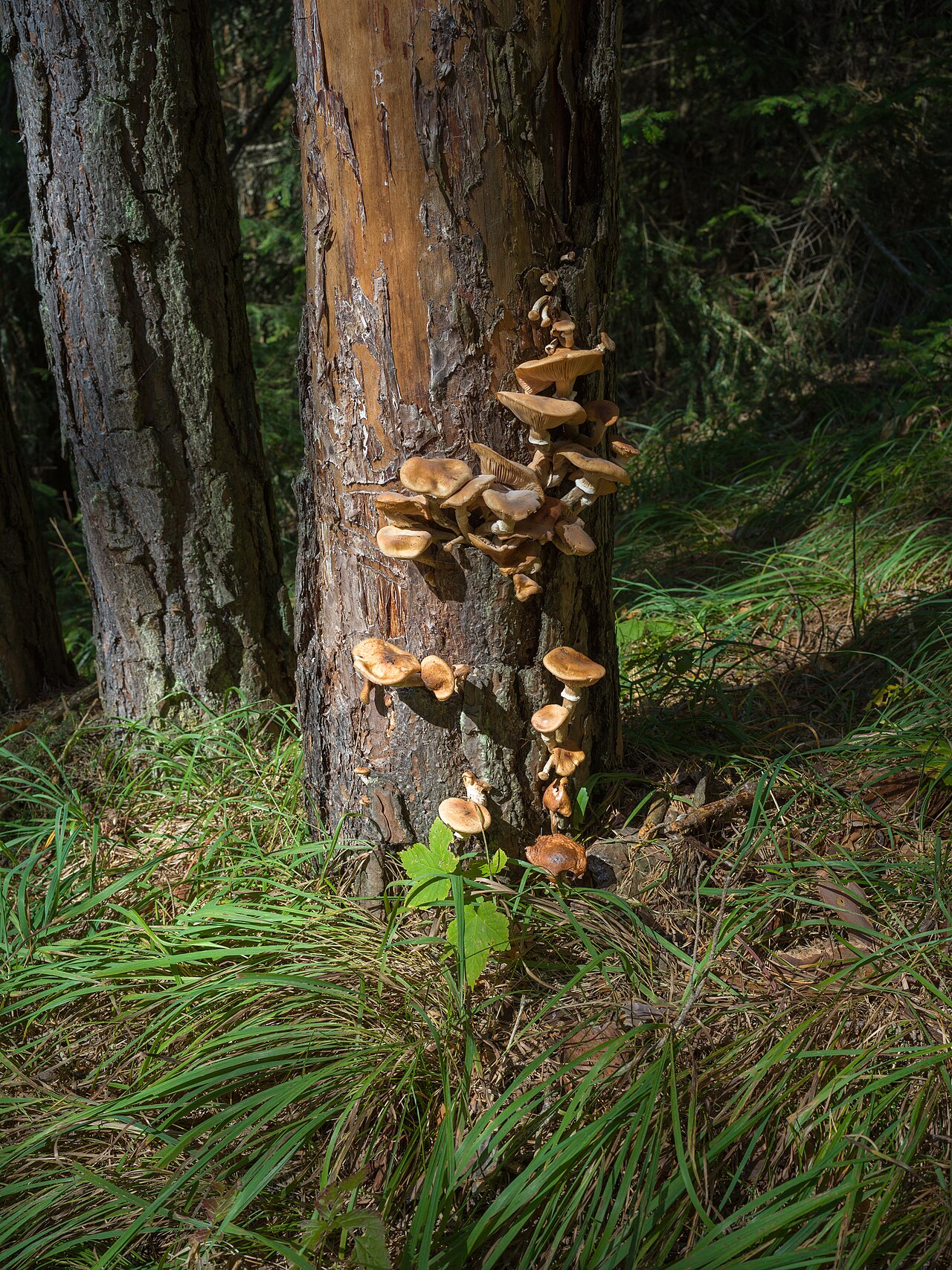
A giant fungus hides beneath a forest: how do we know it is one?
In Oregon’s Malheur forest one Armillaria organism spans an immense area; mushrooms are only its visible signs.
 Living world
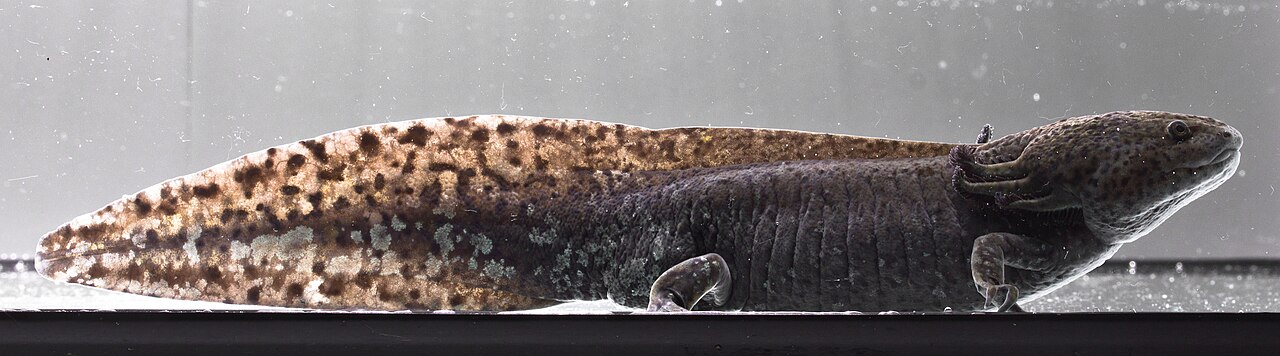
An axolotl can regrow a leg — how does it work?
Regrowing a limb demands coordinated cells, nerves and signals; humans cannot yet do the same.
 Living world
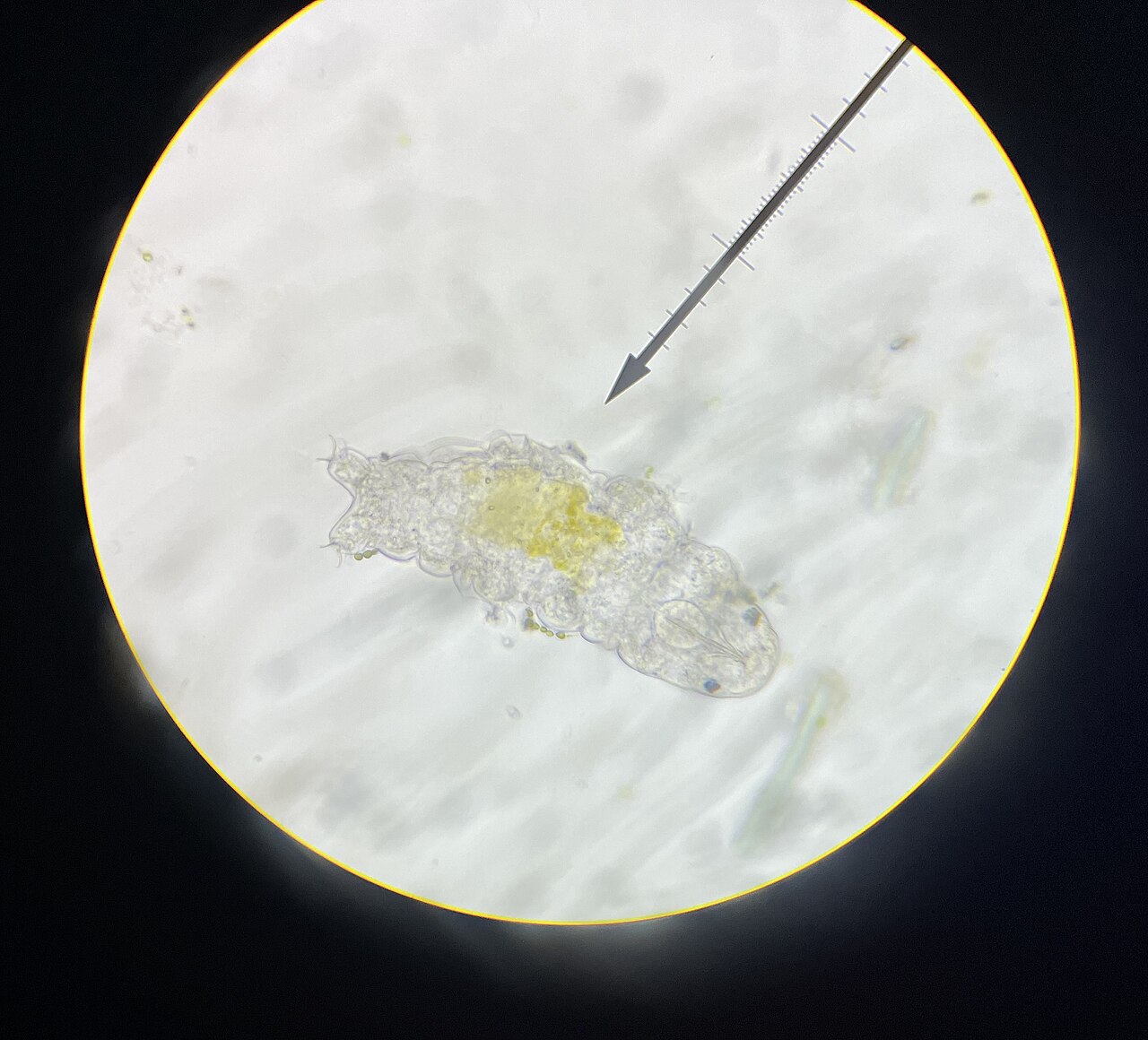
Tardigrades survived open space — but they are not indestructible
A 2007 experiment showed extraordinary resilience and the difference between surviving and thriving.
 Living world
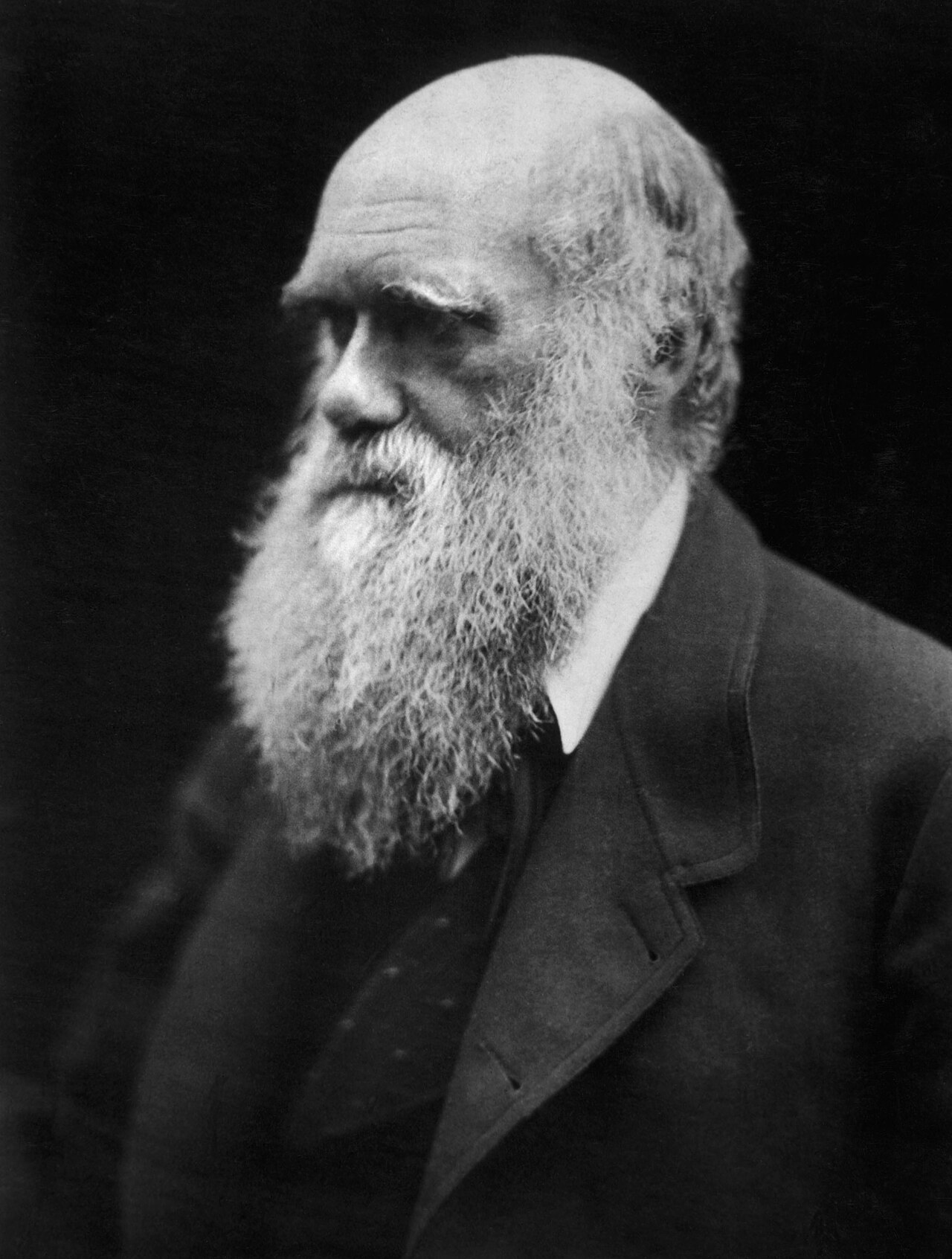
Charles Darwin: how did evolutionary theory emerge?
From notebooks aboard the Beagle to natural selection: how the idea that transformed biology developed, and what it actually says.
 Living world
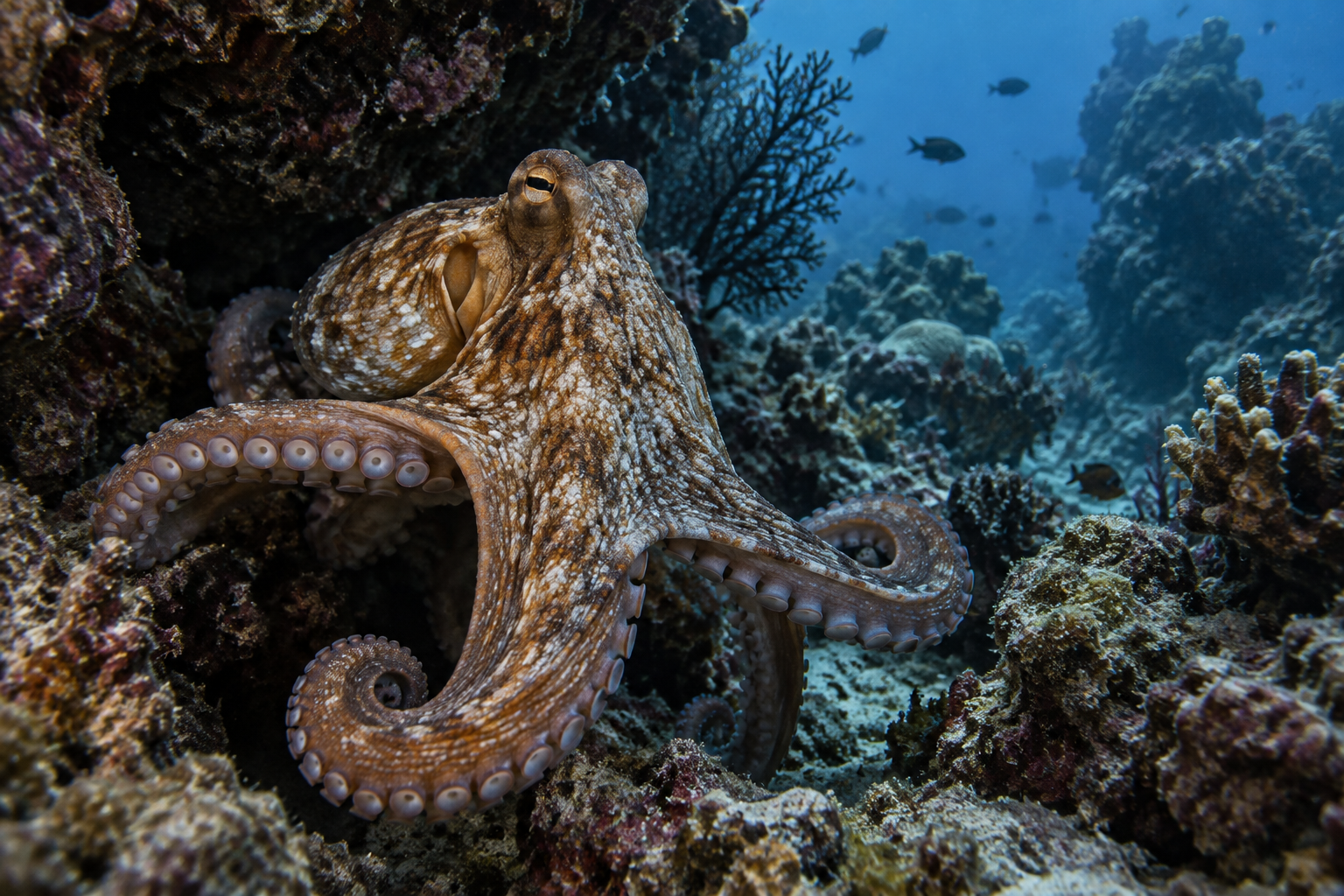
Why do octopuses have three hearts?
Two hearts send blood through the gills; the third pumps it around the body.