
Mushrooms are only the visible part
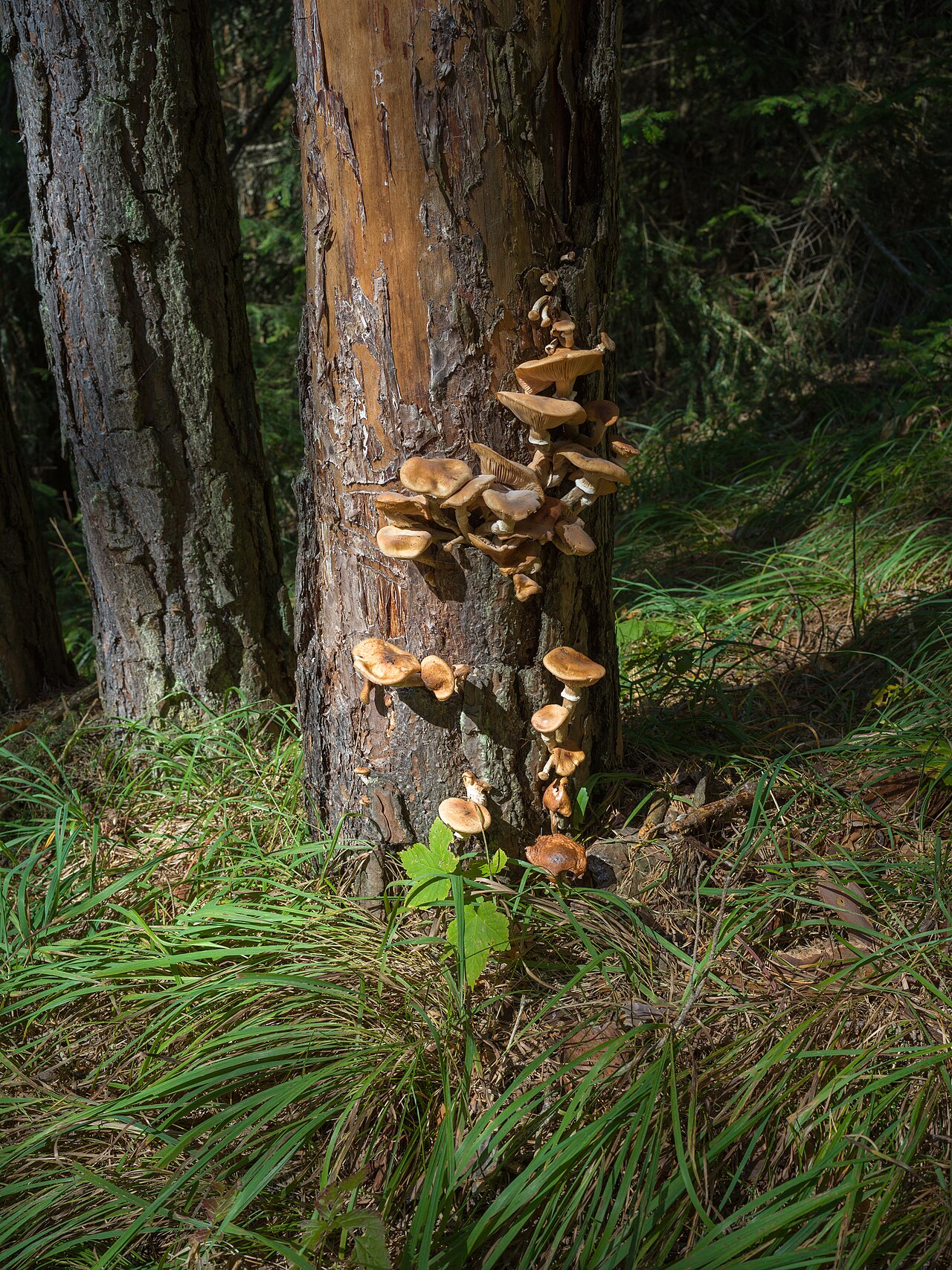
Mushrooms in a forest are fruiting bodies that release spores. Most of a fungus consists of fine hyphae in wood and soil. Armillaria ostoyae also produces dark cordlike rhizomorphs. In Oregon’s Malheur National Forest the fungus occupies a vast area. It is not one enormous above-ground mushroom but a branching, mostly hidden body. This changes what we picture when we hear “large organism”.
How can it be one individual?
Two mushrooms of the same species need not belong to the same organism. Researchers sample different places, compare genetic markers and map affected trees. Samples with one clone’s genetic identity point to a single genet. Physical parts can sometimes be separated while still descending from the same original individual. “One fungus” therefore requires a careful biological definition, not a count of mushrooms.
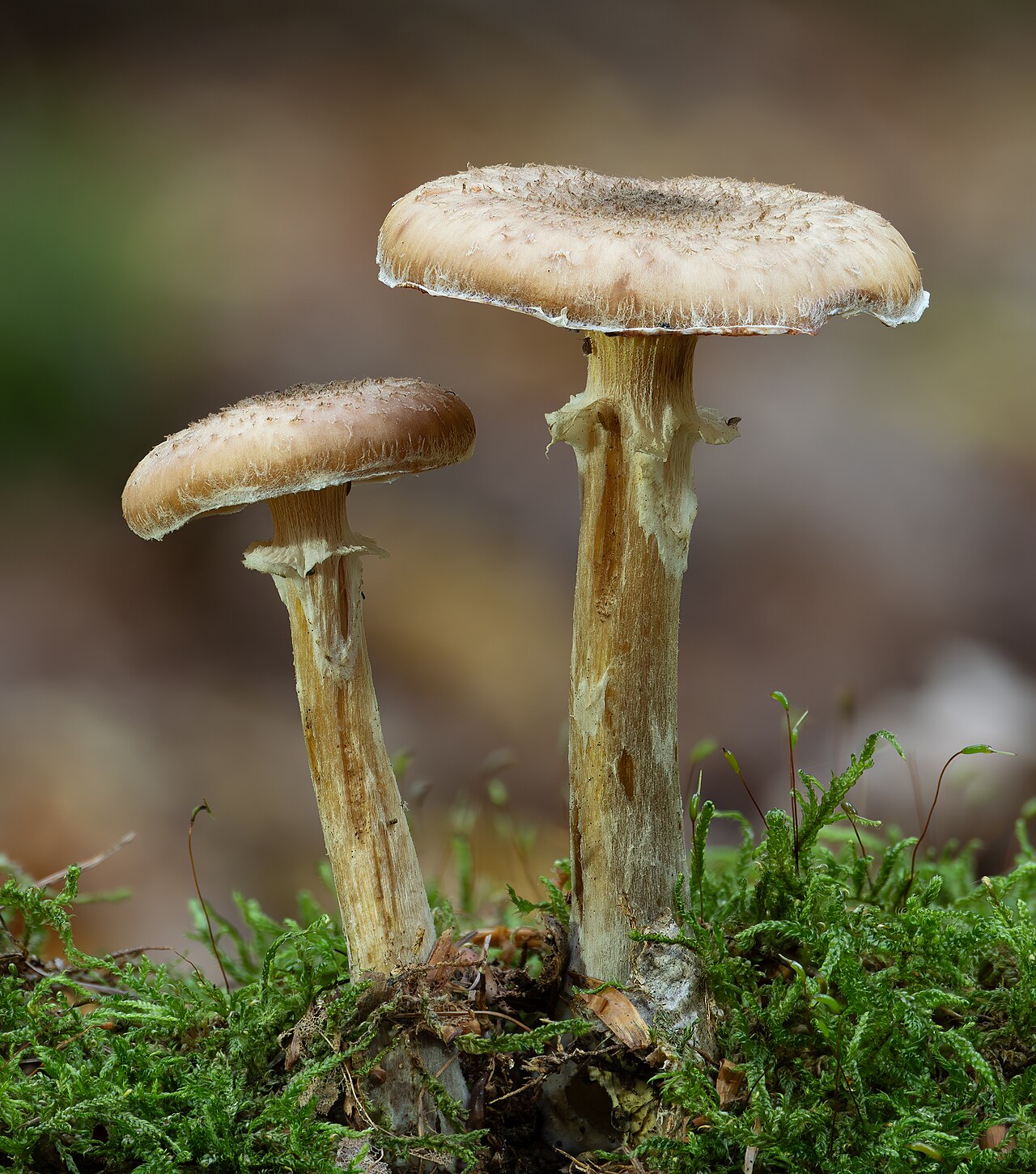
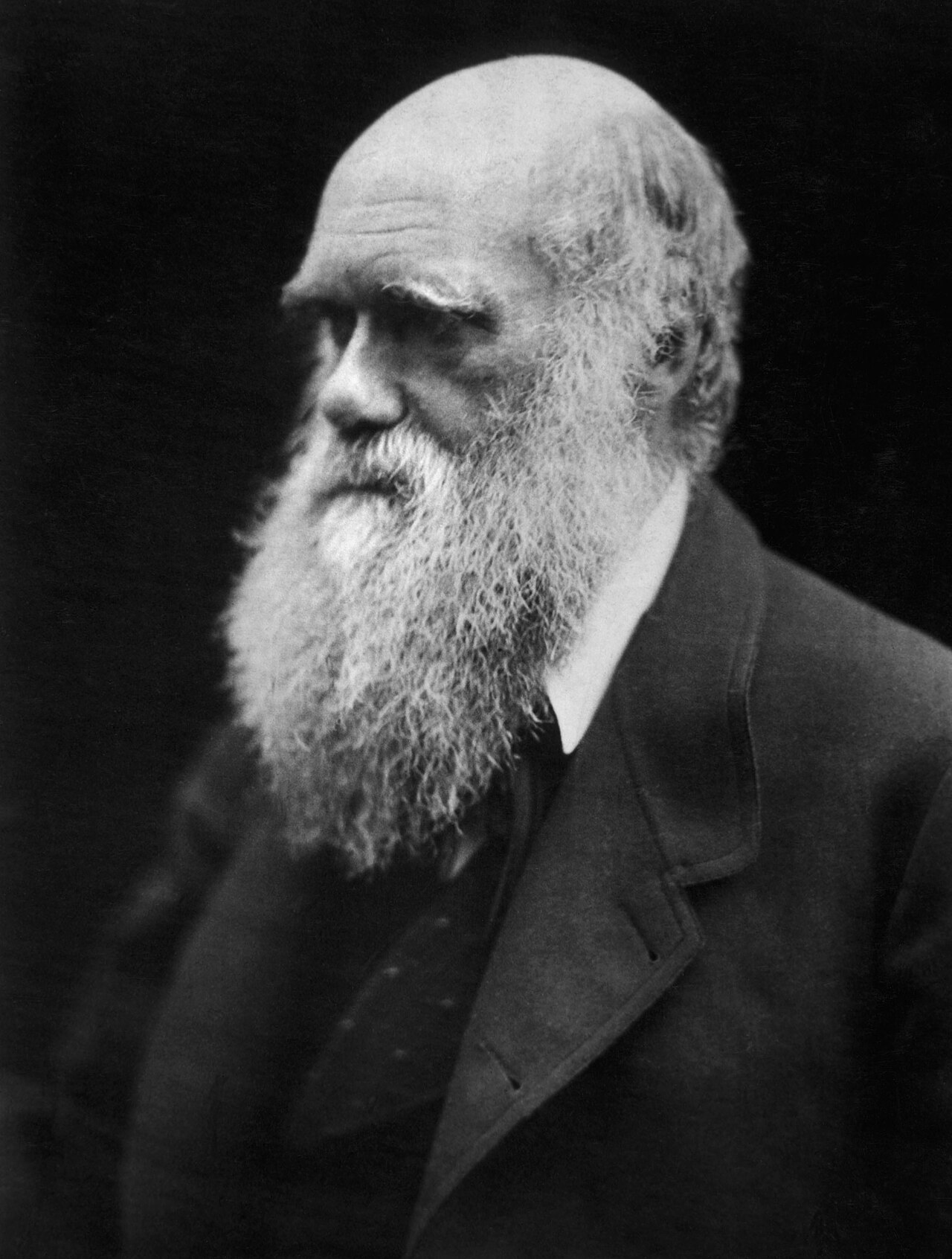
Reinhold Möller Ermell / Wikimedia Commons · Sources ↗ · Image terms ↗
Area, weight and age
A US Forest Service report describes the largest Malheur genet across 2,385 acres, about 965 hectares. That does not mean dense fungal tissue fills every centimetre of soil. Mass is estimated from samples and assumptions, not from putting the entire organism on a scale. Age is inferred from its width and plausible growth rates. The resulting estimates range from roughly 1,900 to 8,650 years; a single exact birthday would be misleading.
The forest around it
Armillaria ostoyae can infect tree roots and cause disease. Affected trees struggle to take up water and nutrients, and some die. The fungus also participates in decomposition. Forests are shaped by drought, fire, insects and other microorganisms too, so one dead tree does not prove one cause. Researchers need broad sampling and long-term monitoring to understand its role.
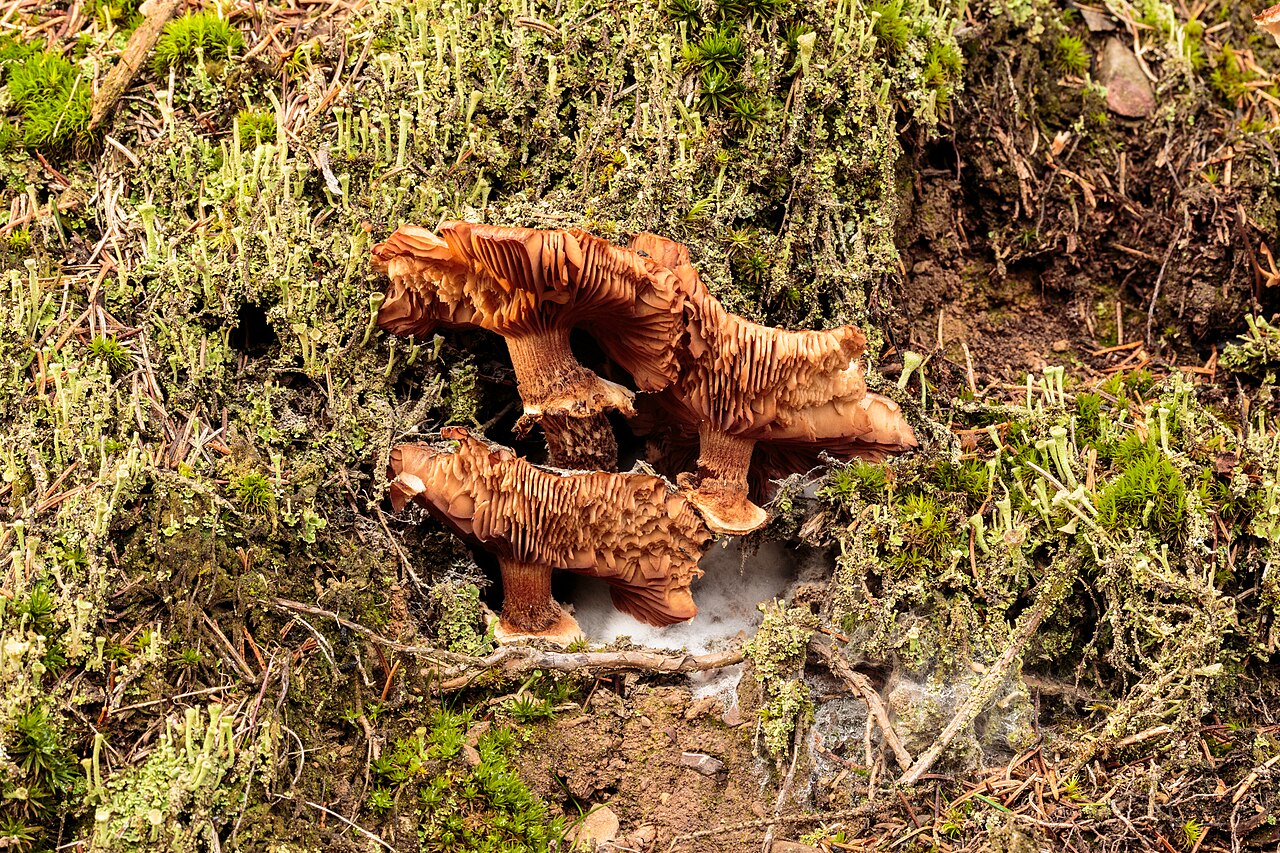
Agnes Monkelbaan / Wikimedia Commons · Sources ↗ · Image terms ↗
Largest by what measure?
Living things can be ranked by area, mass, height or age. Clonal fungi and plants also challenge the meaning of an individual. The Malheur Armillaria is extraordinary, but its biomass is an estimate and later discoveries could change any record list. The strongest conclusion is that genetics reveals a forest-sized hidden organism that a surface photograph cannot show.
What remains to study
Scientists can follow how the genet spreads through soils, which trees it reaches and how drought or temperature affect it. Better genomic methods separate nearby clones; root samples reveal activity underground. Many kinds of evidence are needed to understand a huge fungus within a changing ecosystem.
Key terms
— the network of fungal threads forming much of the body of most fungi.