

Psychology
How the mind works.
 Psychology
Why does evidence often confirm what we already believe? Confirmation bias
Two readers can look at the same news story and draw completely different conclusions. The problem involves how we select, interpret and check information as well as which information we find. Confirmation bias shows why a good question often matters more than ten further examples that flatter our initial idea.
 Psychology
Why do we change our minds in a group? Conformity and peer influence
When everyone in a group gives the same answer, confidence in our own judgement can be hard to preserve. Sometimes the majority teaches us something new; sometimes it merely leads us to say publicly what we do not believe. Research on conformity shows that the situation matters more than a simple division into independent and easily led people.
 Psychology
Why do we put off what matters? The psychology of procrastination
Delay often begins with a very persuasive thought: just this one more thing, then I will start. The problem is not every postponed obligation but a delay we choose despite expecting it to make things harder later. Research shows that unpleasant feelings, how we evaluate a task and the conditions in which we work all matter to that decision.
 Psychology
Can we really do two things at once? The cost of multitasking
A phone message, a video in the background and a mathematics problem: feeling very active tells us little about how successfully we have processed information. Psychology distinguishes simultaneously performing simple actions from switching between jobs that require thought. This distinction explains why we sometimes combine activities without difficulty and sometimes lose our train of thought after every notification.
 Psychology
How does the brain change as we learn? What neuroplasticity really means
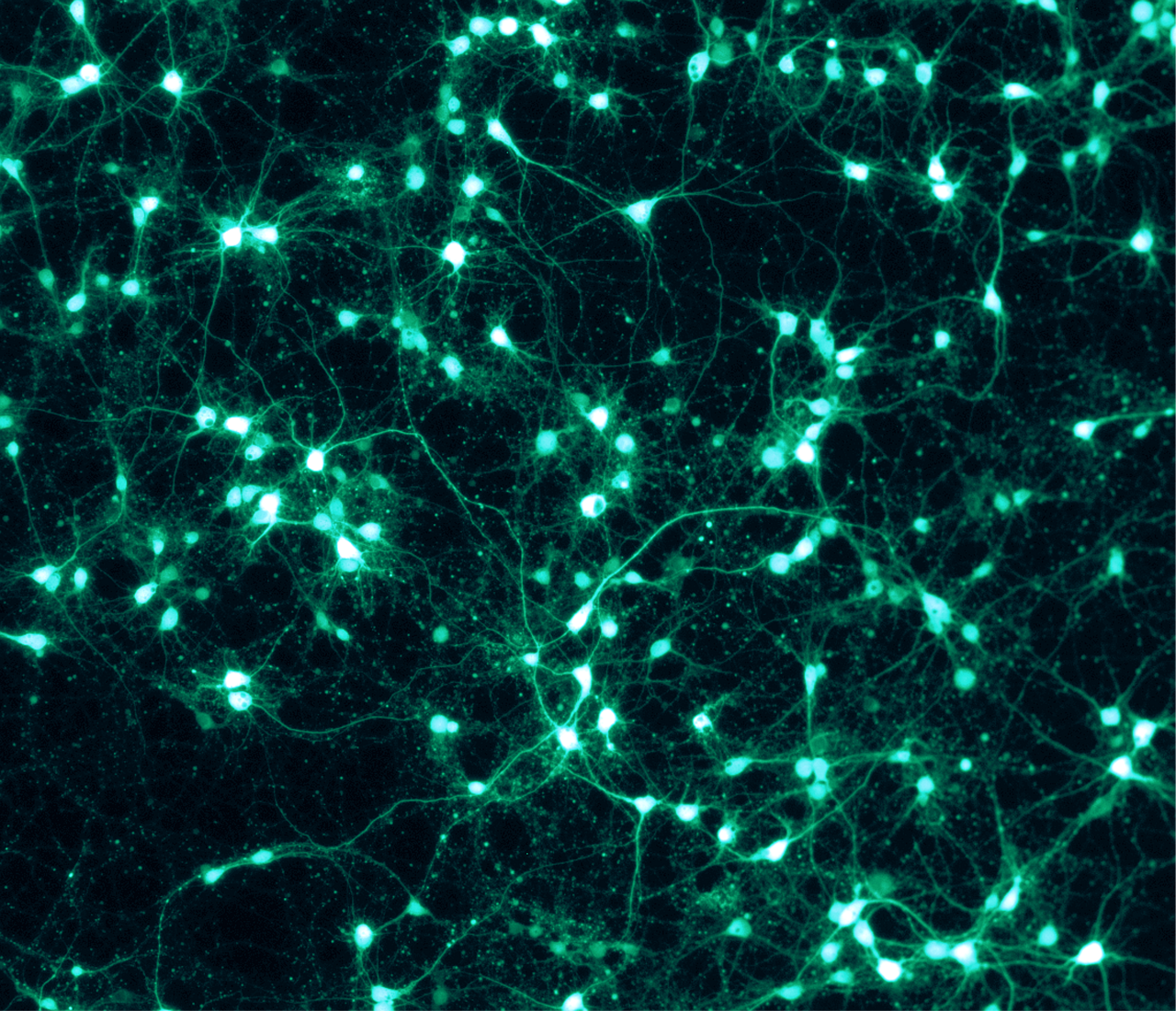
When we first try to play a melody, solve a physics problem or speak a sentence in a new language, the task is slow and demands attention. Practice makes it easier. That change is more than a feeling: experience affects how nerve cells communicate and how whole networks take part in a task. We call this capacity neuroplasticity. It remains with us throughout life, although its form and extent depend on age, brain region and the skill involved.
 Psychology
Can a sound we cannot hear affect our mood?
A faint vibration runs through an old building's ventilation system. We cannot clearly hear it, yet the space feels uncomfortable. Is that only expectation, or can very low frequencies affect experience? A small laboratory study published in 2026 found links between infrasound exposure, irritability, ratings of music and cortisol levels. The finding is intriguing, but it does not prove that “haunted houses” have an acoustic explanation.
 Psychology
How much can we trust an eyewitness's memory?
A witness sincerely says they are certain about the face they saw. Is that enough? Research shows that memories can change when new information arrives after an event. Yet a carefully conducted first identification can still be useful evidence. The crucial questions are what the witness had a chance to see and what happened before they first identified a suspect.
 Psychology
Why do we dream?
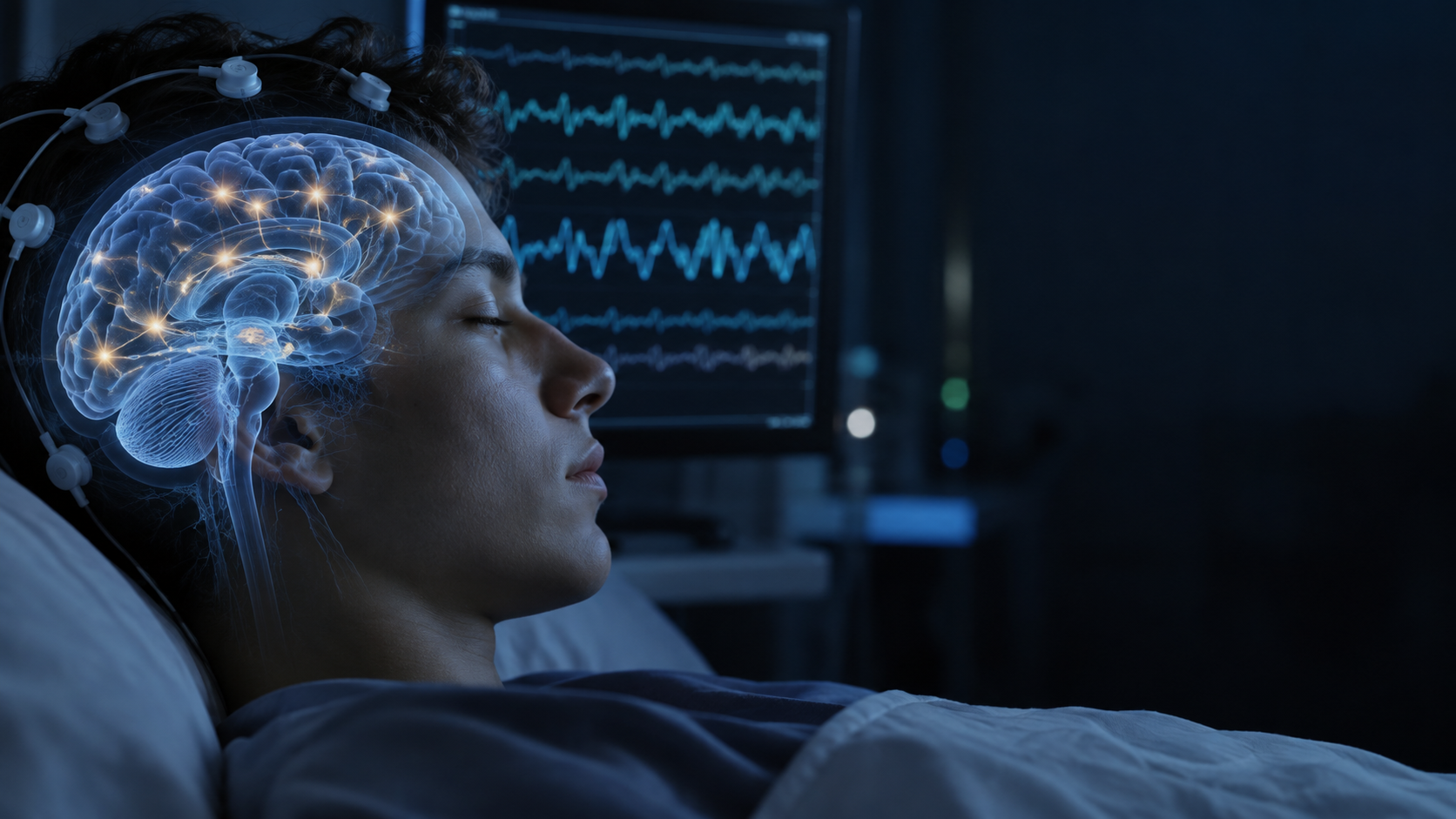
Dreams are real experiences during sleep, but their exact purpose is still unknown.