

Space
Planets, stars and everything between.
 Space
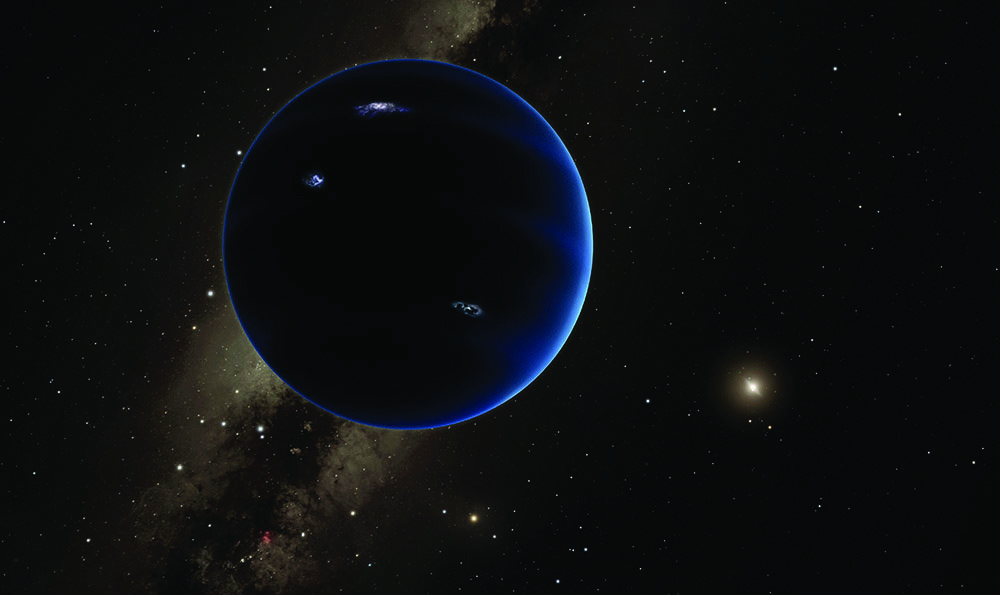
SpaceThe search for Planet Nine
The full feature is currently published in Serbian. This page summarises its verified findings.
 Space
SpaceThe first images of black holes: how we photographed what does not shine
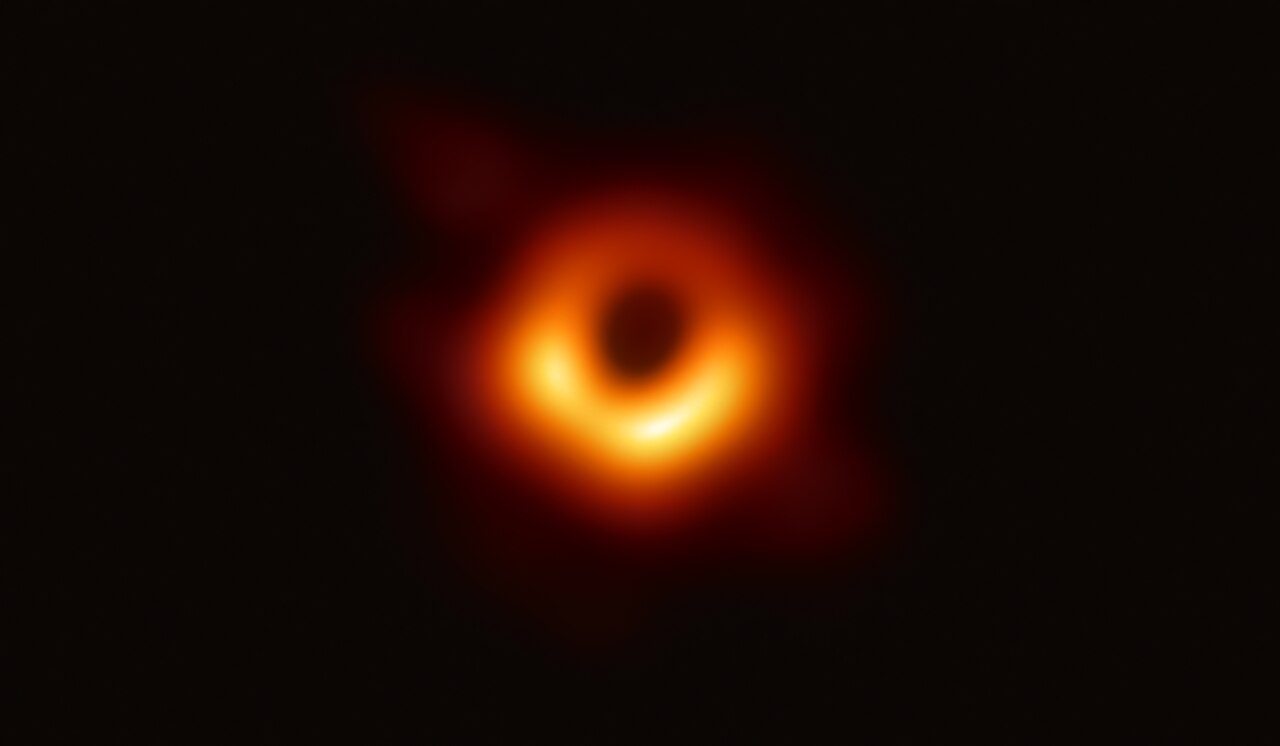
The orange ring around the dark center has become one of the most famous scientific images of our time. However, it is not a snapshot of the "surface" of a black hole, nor a shot from a huge telescope. It is a carefully reconstructed image of the radio radiation of gas whose light is bent by an extremely strong gravitational field.
 Space
SpaceThe first exoplanets: how we found worlds we can hardly see
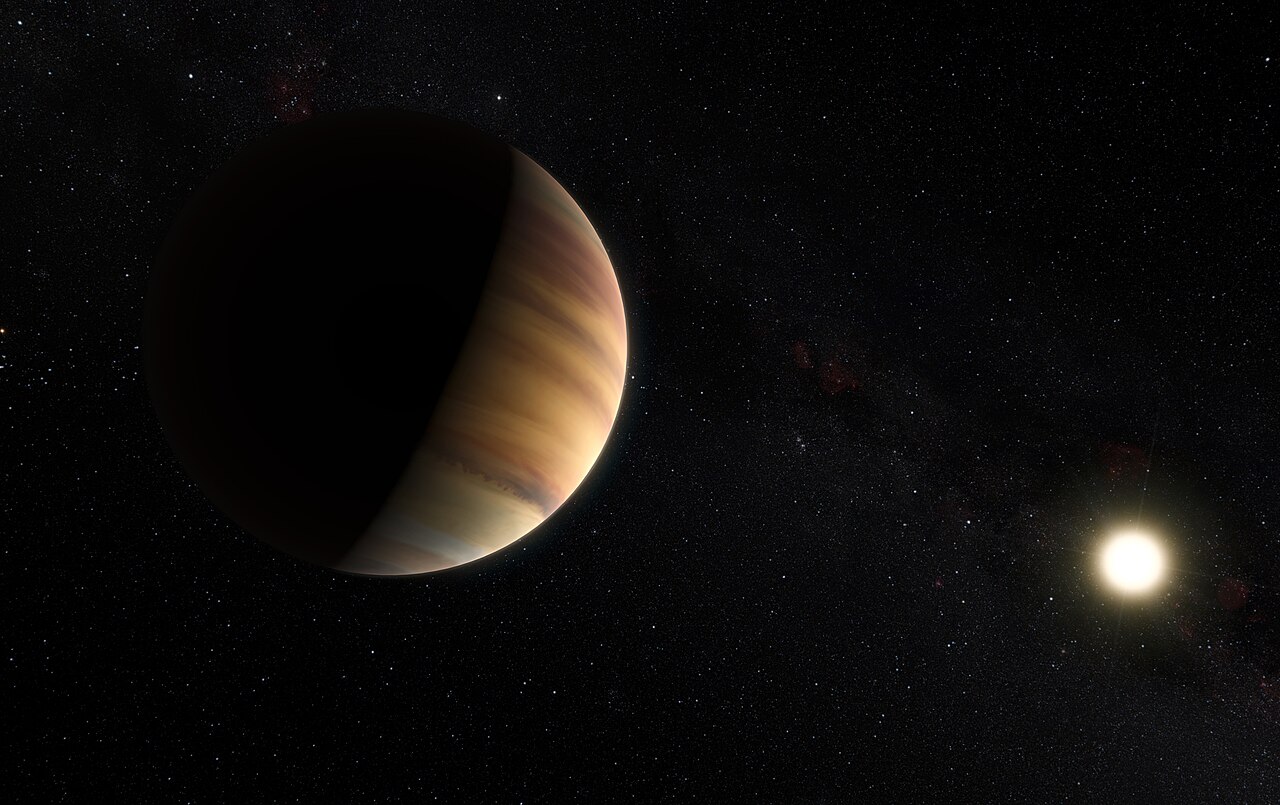
A planet next to another star is usually too faint and too close to its bright host to simply photograph. Astronomers therefore first recognized it by how it affects their star — and only later began to measure its size, mass and chemical traces in the atmosphere.
 Space
SpaceWhy do we call the Moon the Moon? A story of the sky, language and measuring time
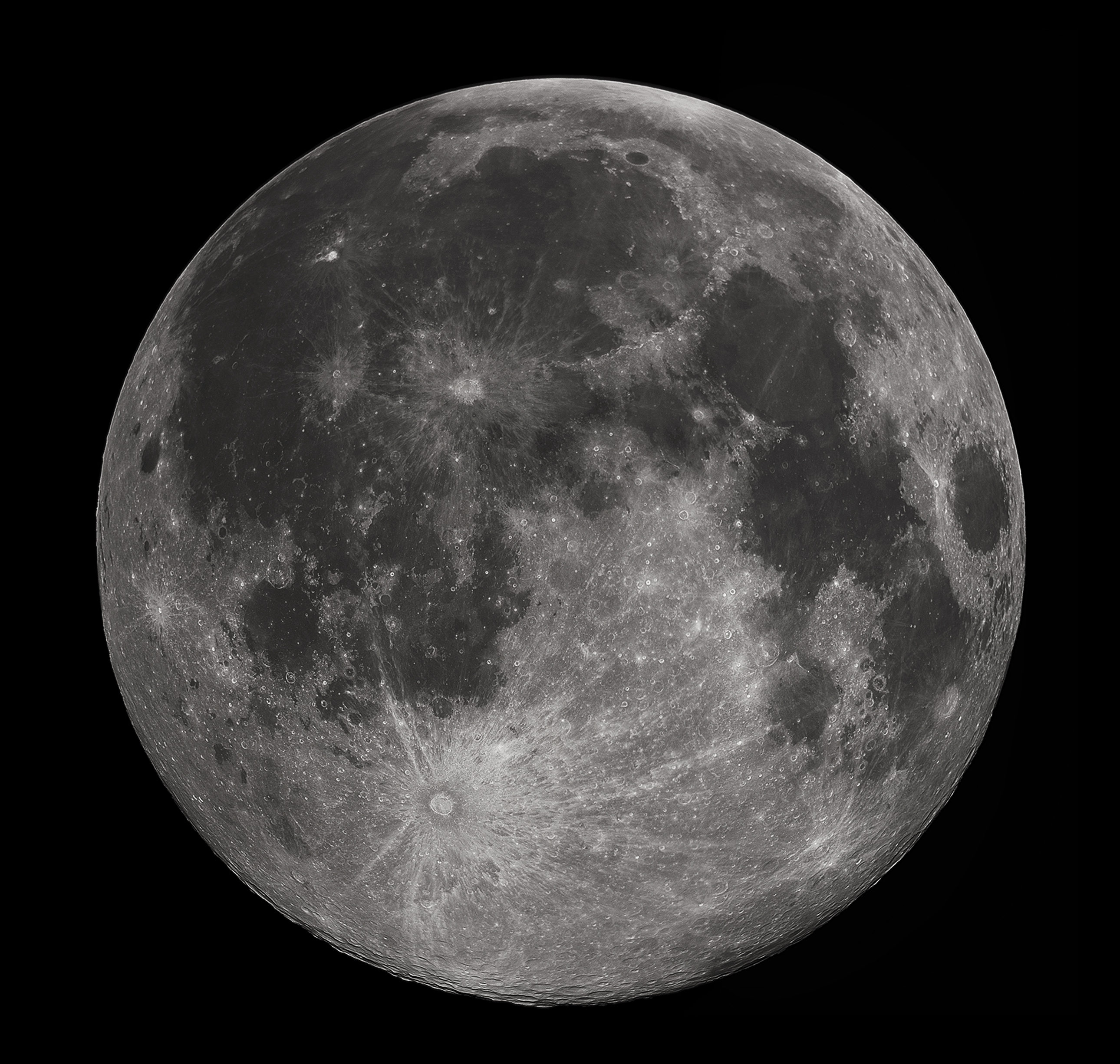
Jupiter has Europa, Io, Ganymede and Callisto. Saturn has Titan and Encelad. And Earth has — the Moon. At first glance, our nearest celestial neighbour seems to have missed out on a special name while all the others received more interesting ones. Yet the Moon itself provided the starting point for naming other bodies of this kind. Its name connects the history of astronomy with the history of language: long before telescopes and space probes, changes in its appearance helped people count days and follow the passage of time.
 Space
SpaceA wobbling asteroid: what Lucy learned about Donaldjohanson
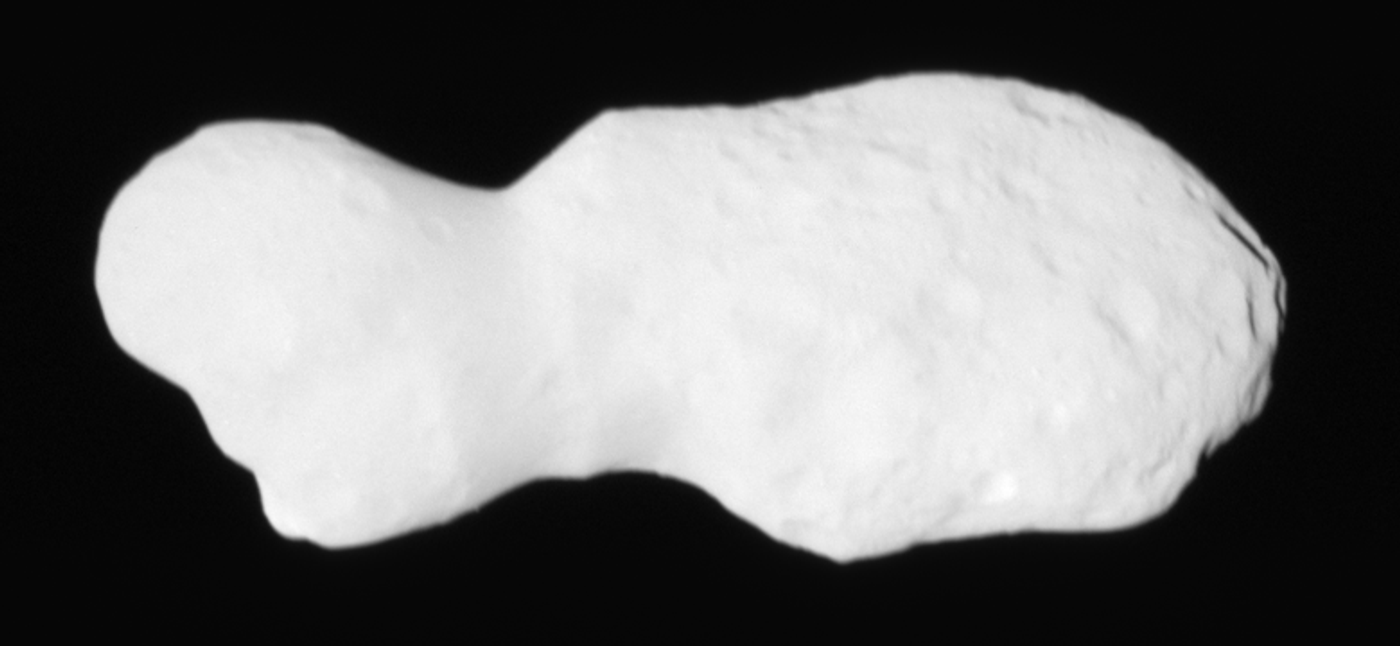
In images from NASA's Lucy spacecraft, asteroid Donaldjohanson looks like an elongated peanut: two uneven lobes joined by a narrow neck. Its shape is only the beginning of the story. An analysis published in June 2026 shows that the roughly eight-kilometre body does not simply turn around one steady axis; it slowly tumbles. Its surface also preserves chemical evidence of contact with liquid water, probably from a time before the present asteroid formed. How can a spacecraft discover all this during a brief flyby?
 Space
SpaceA new 222-metre crater on the Moon: how NASA found the impact
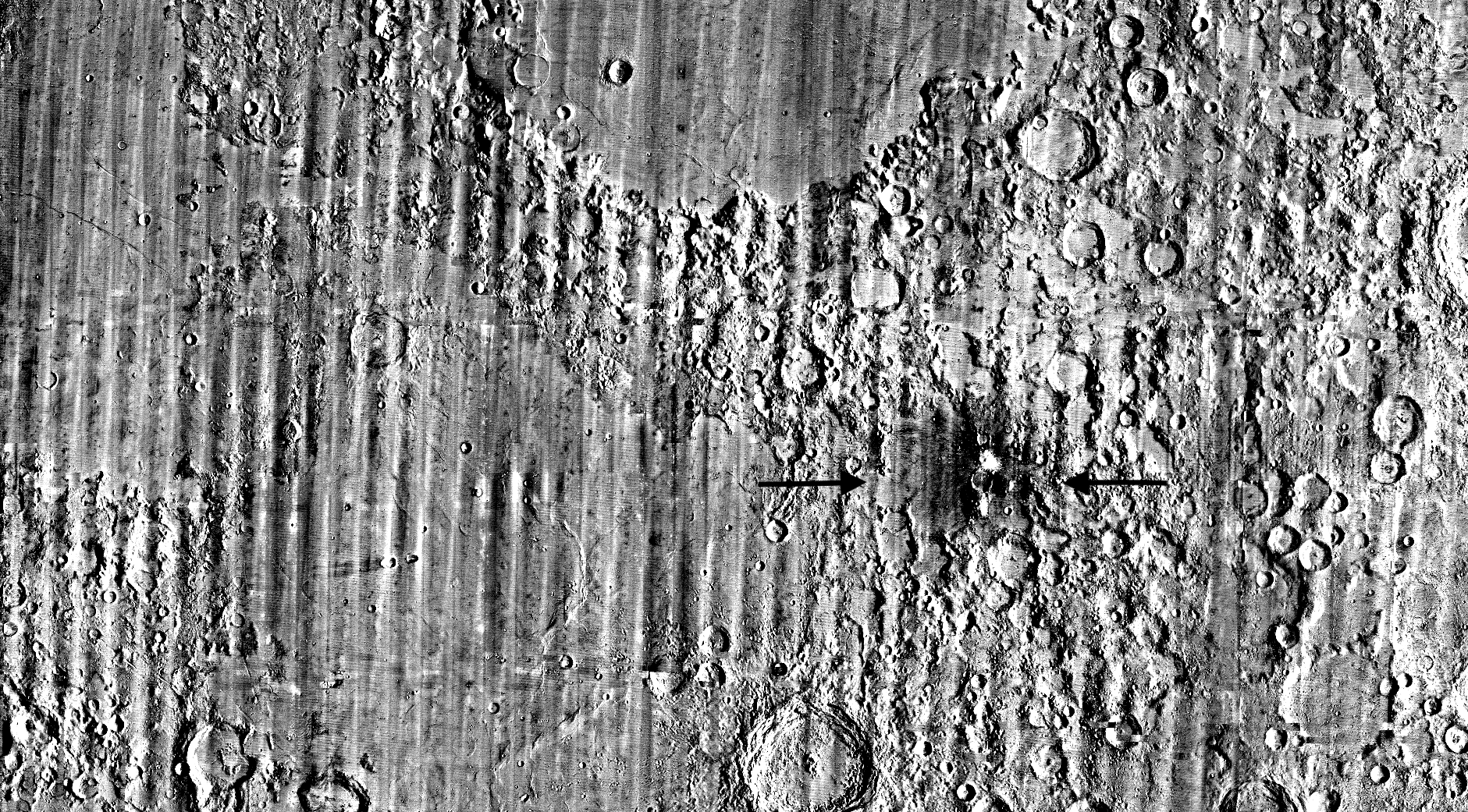
Orbital images and temperature measurements revealed an unusually large new crater and narrowed down when it formed.
 Space
SpaceMarker used to help Apollo 11 leave the Moon sells for $857,600
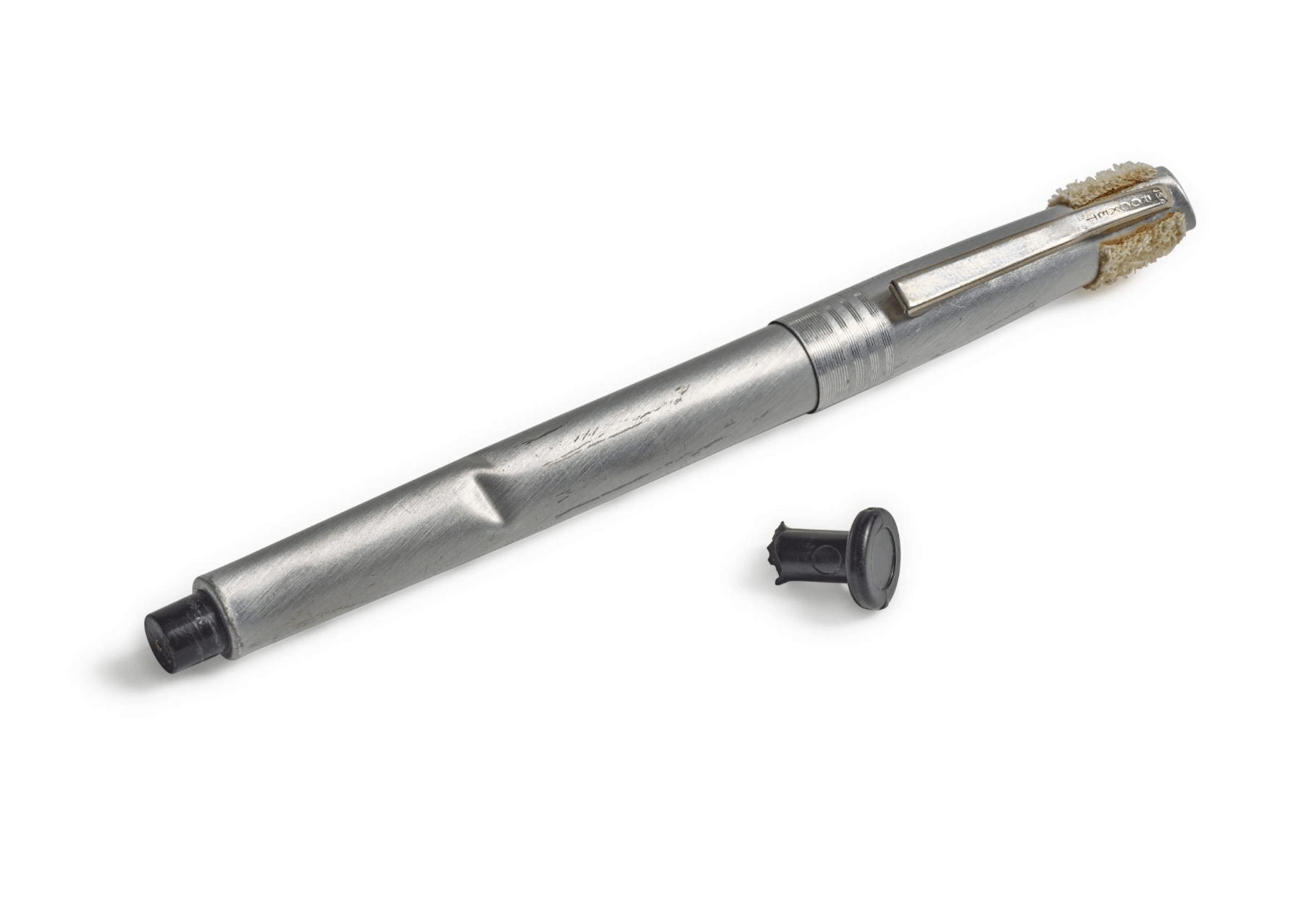
Buzz Aldrin used an ordinary felt-tip marker to press a damaged circuit breaker in the lunar module. The marker and broken switch cap have now been sold together.
 Space
SpaceA day on Venus lasts longer than a year — which day?
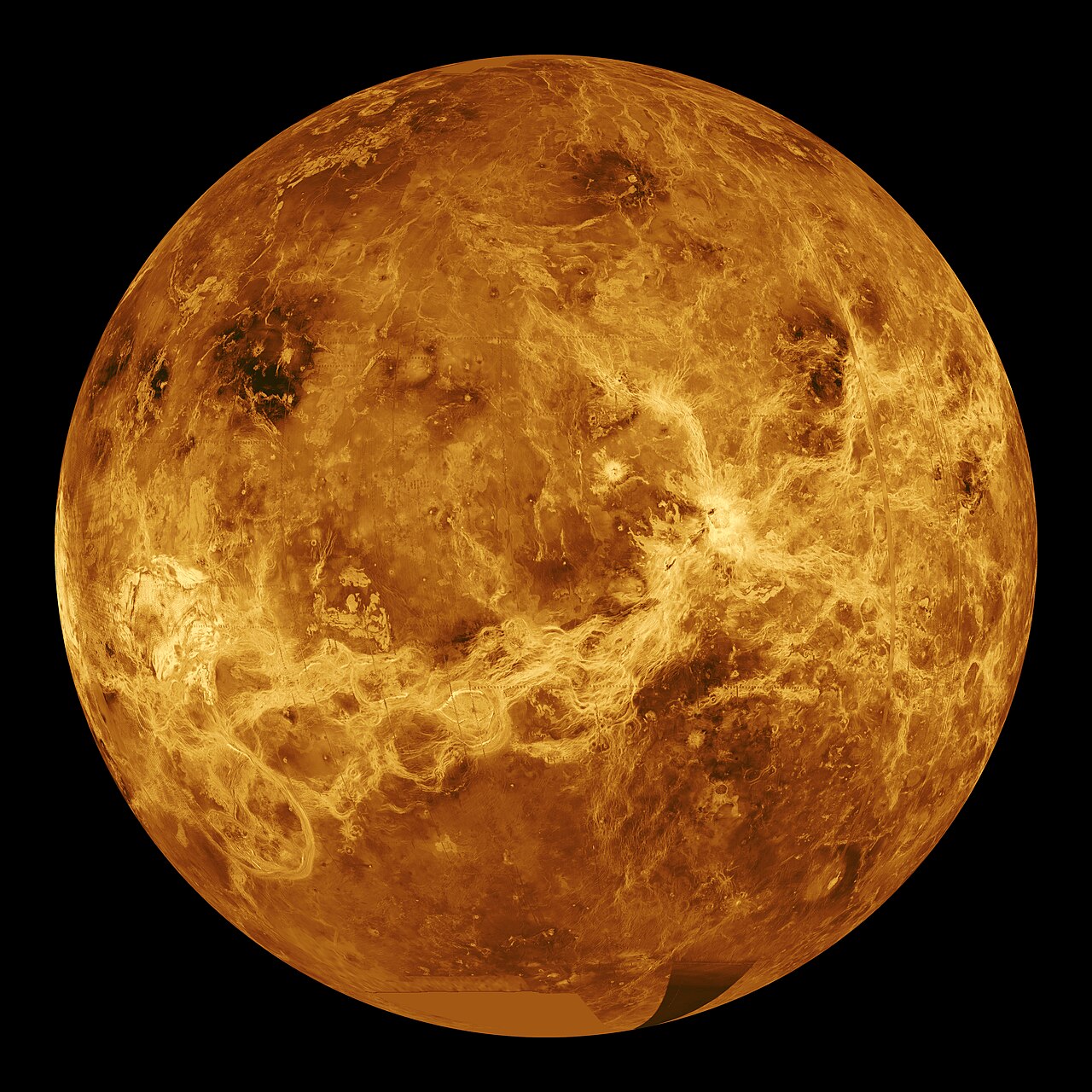
Venus rotates once in about 243 Earth days and orbits the Sun in 225; the sunrise cycle is another matter.
 Space
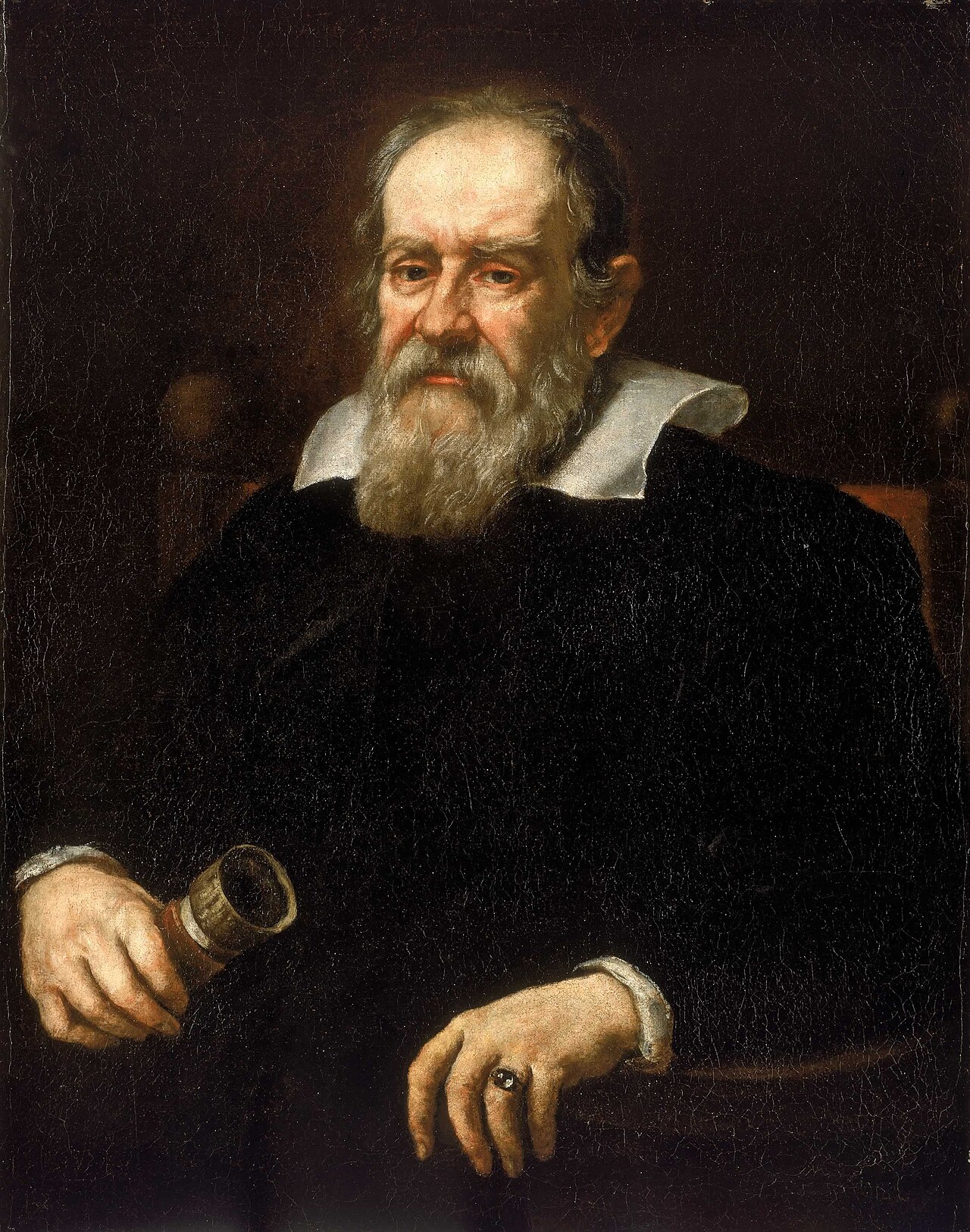
SpaceGalileo Galilei — the man who turned a telescope toward the sky and changed how we see the world
Galileo did not invent the telescope or first propose that Earth moves. His observations, experiments and disputes with authority changed how we test claims about nature.
 Space
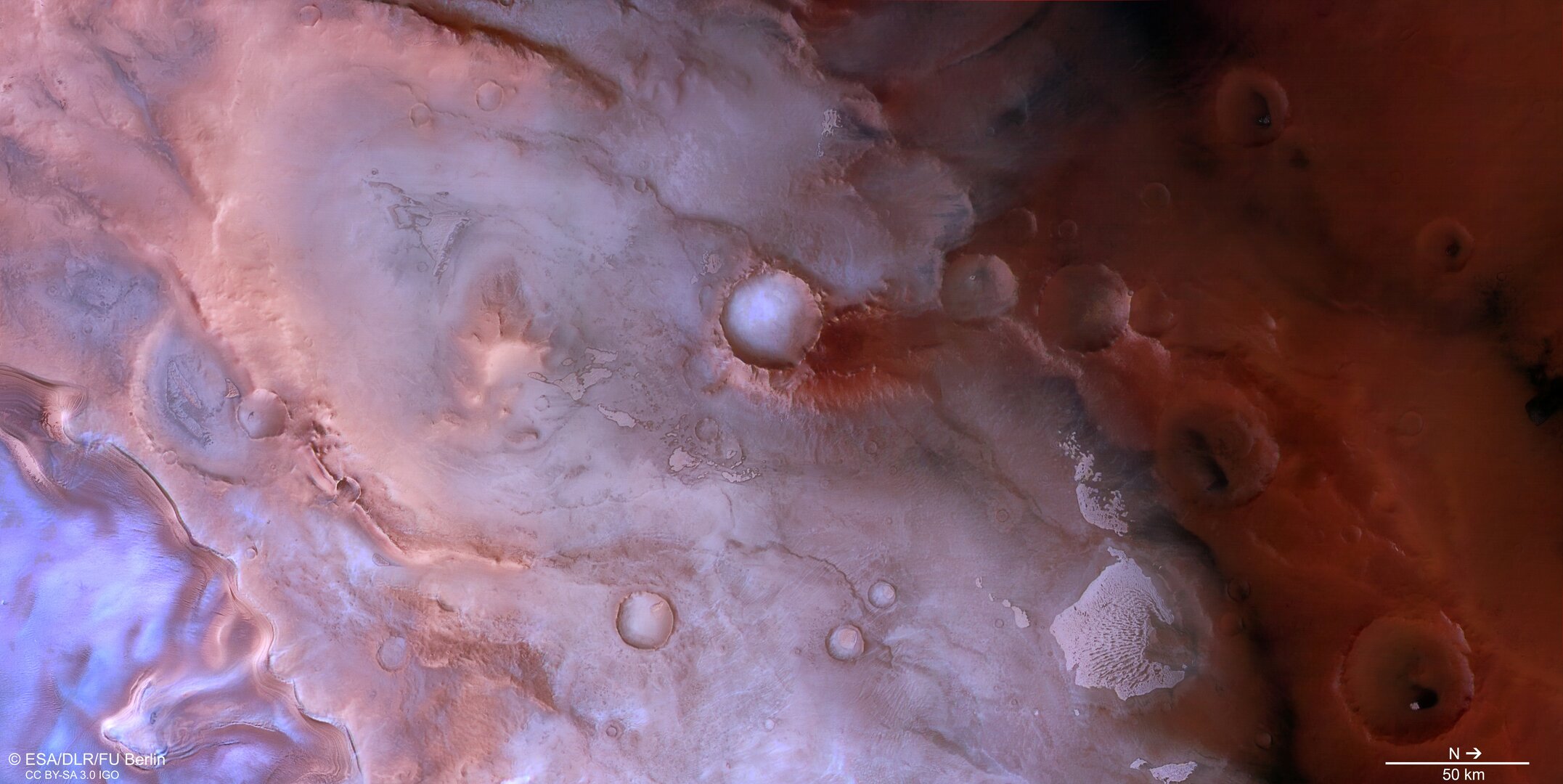
SpaceWhy does Mars look purple and rippled near its south pole?
A new Mars Express image reveals steep cliffs, dust and frost at Thyles Rupes. The unusual color tells us about light and surface materials, not life.
 Space
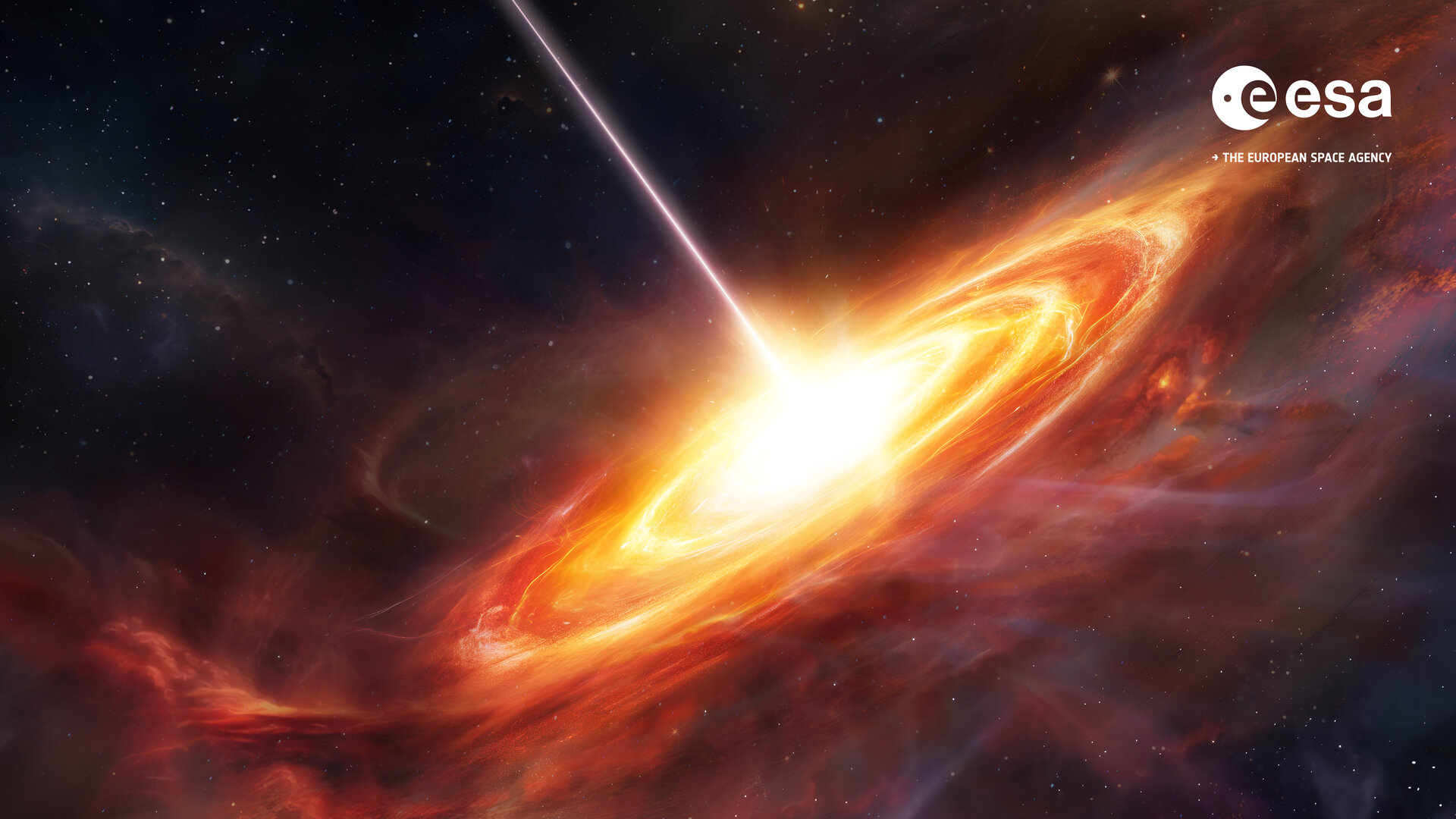
SpaceEuclid finds quasars from the universe’s youth
The European telescope identified 31 early quasars, including two seen about 670 million years after the Big Bang. Their light raises questions about how black holes grew so fast.
 Space
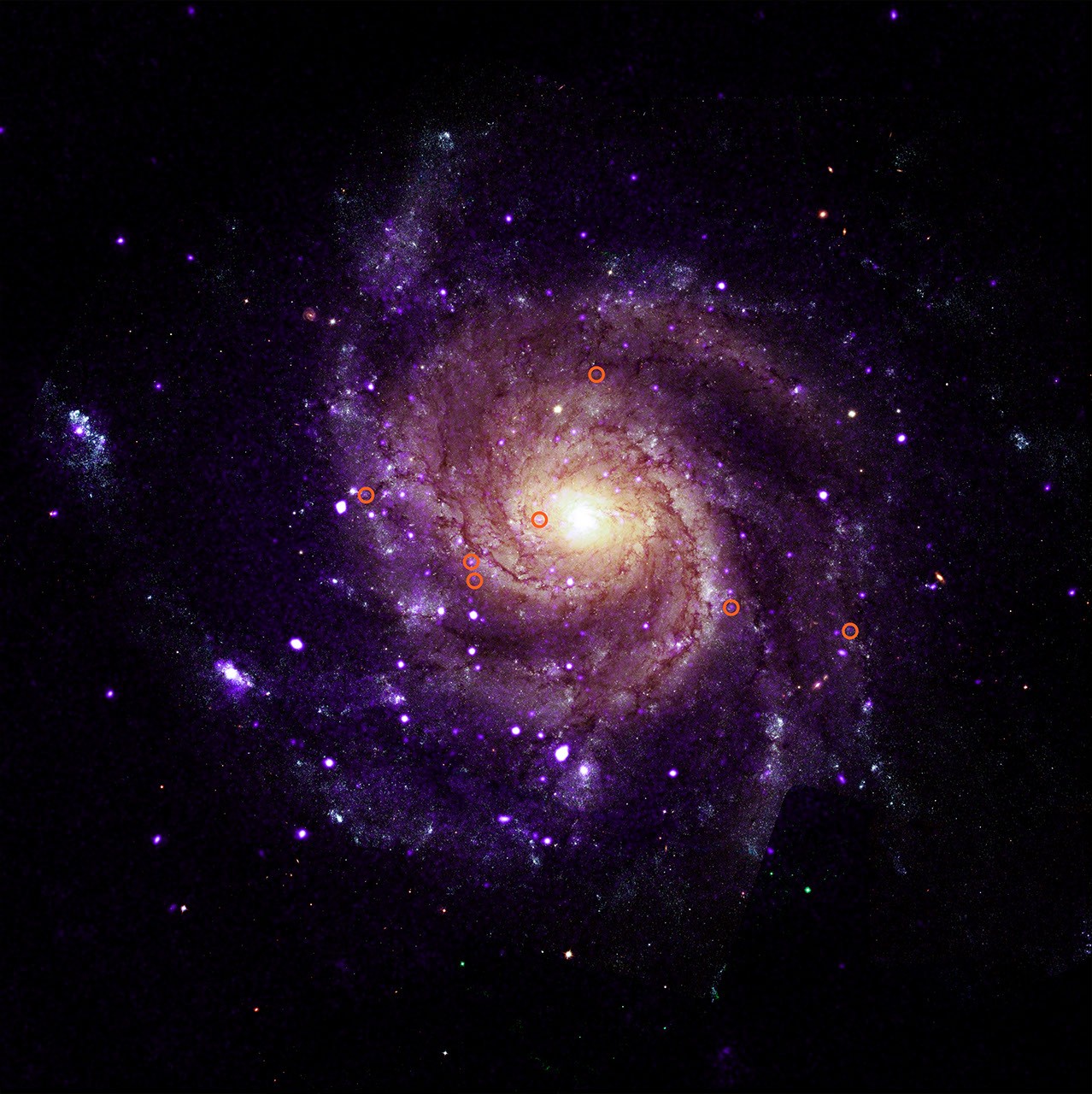
SpaceChandra finds 84 unusual X-ray sources
A survey of six galaxies identified objects bright in soft X-rays and ultraviolet light. What they are remains uncertain.
 Space
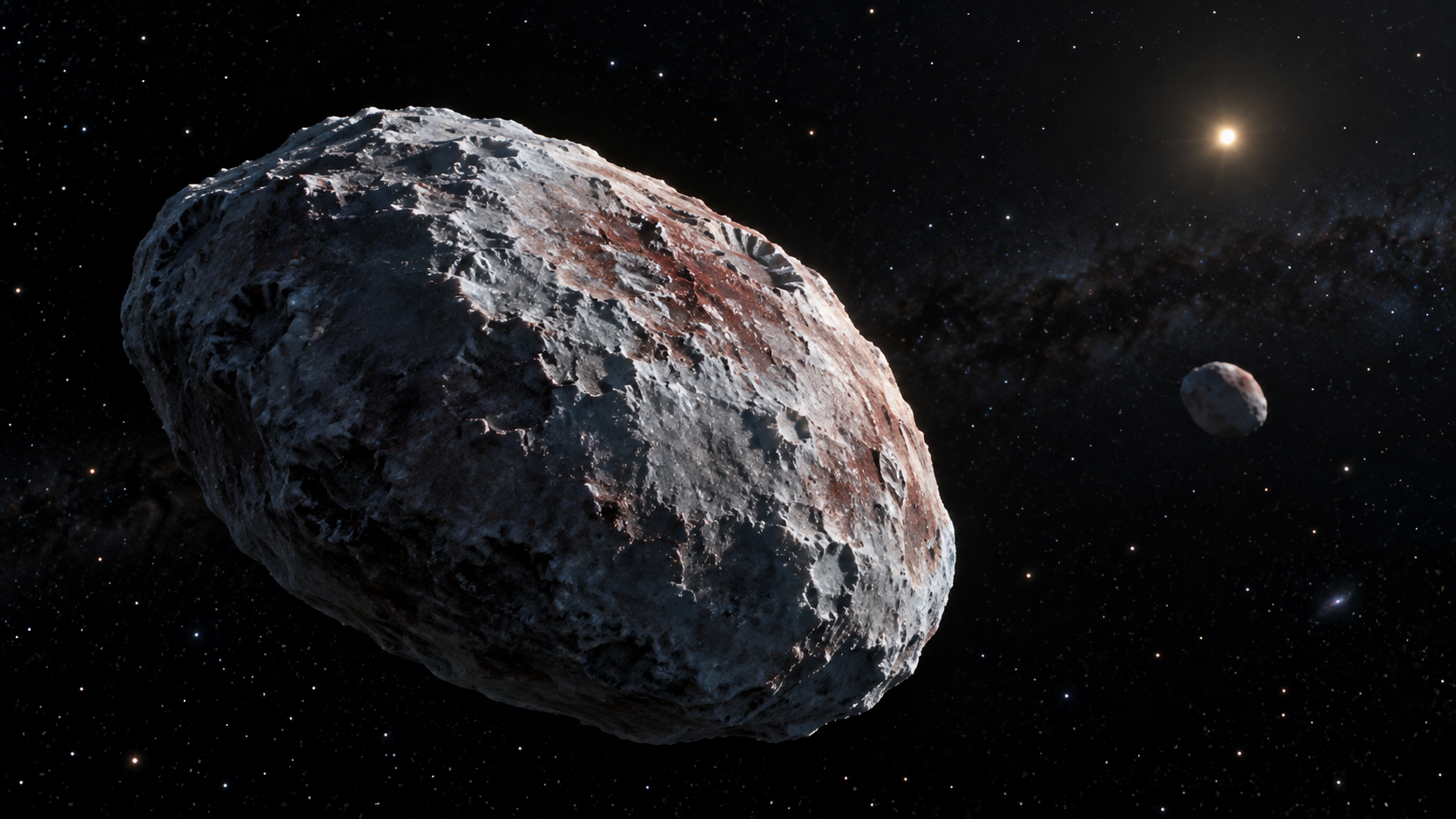
SpaceSmall worlds beyond Neptune preserve the past
Hubble and Webb together studied 27 tiny, faint bodies near the edge of the Solar System.
 Space
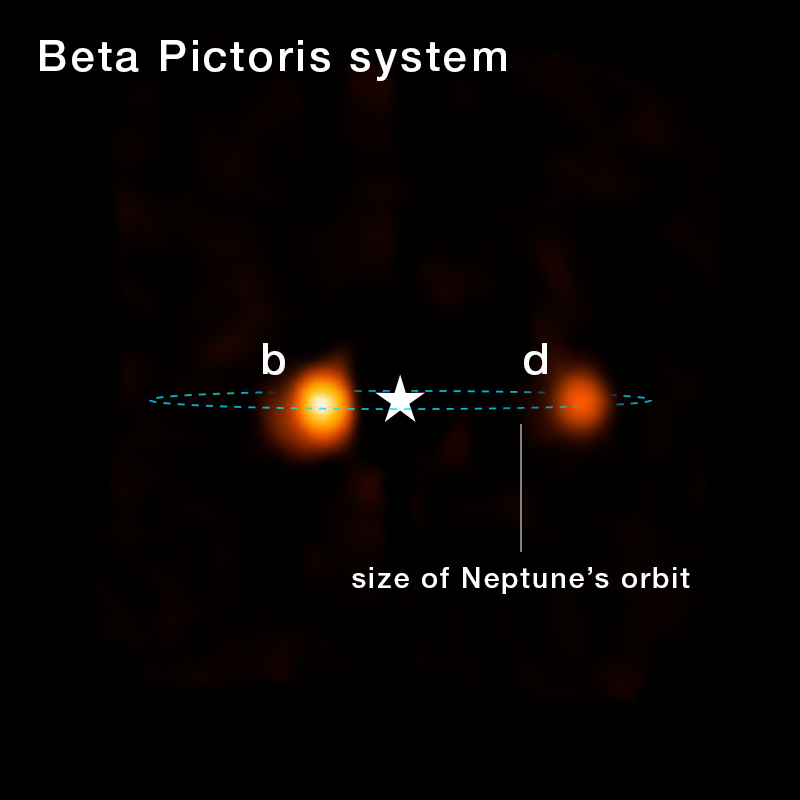
SpaceWebb finds a hidden planet in a familiar star system
A third giant planet in the Beta Pictoris system was found through a chemical fingerprint in its atmosphere.
 Space
SpaceCan we really find life on other planets?
Scientists look for worlds that might support liquid water, but a possible sign of life is not proof of life.