
A changing Moon
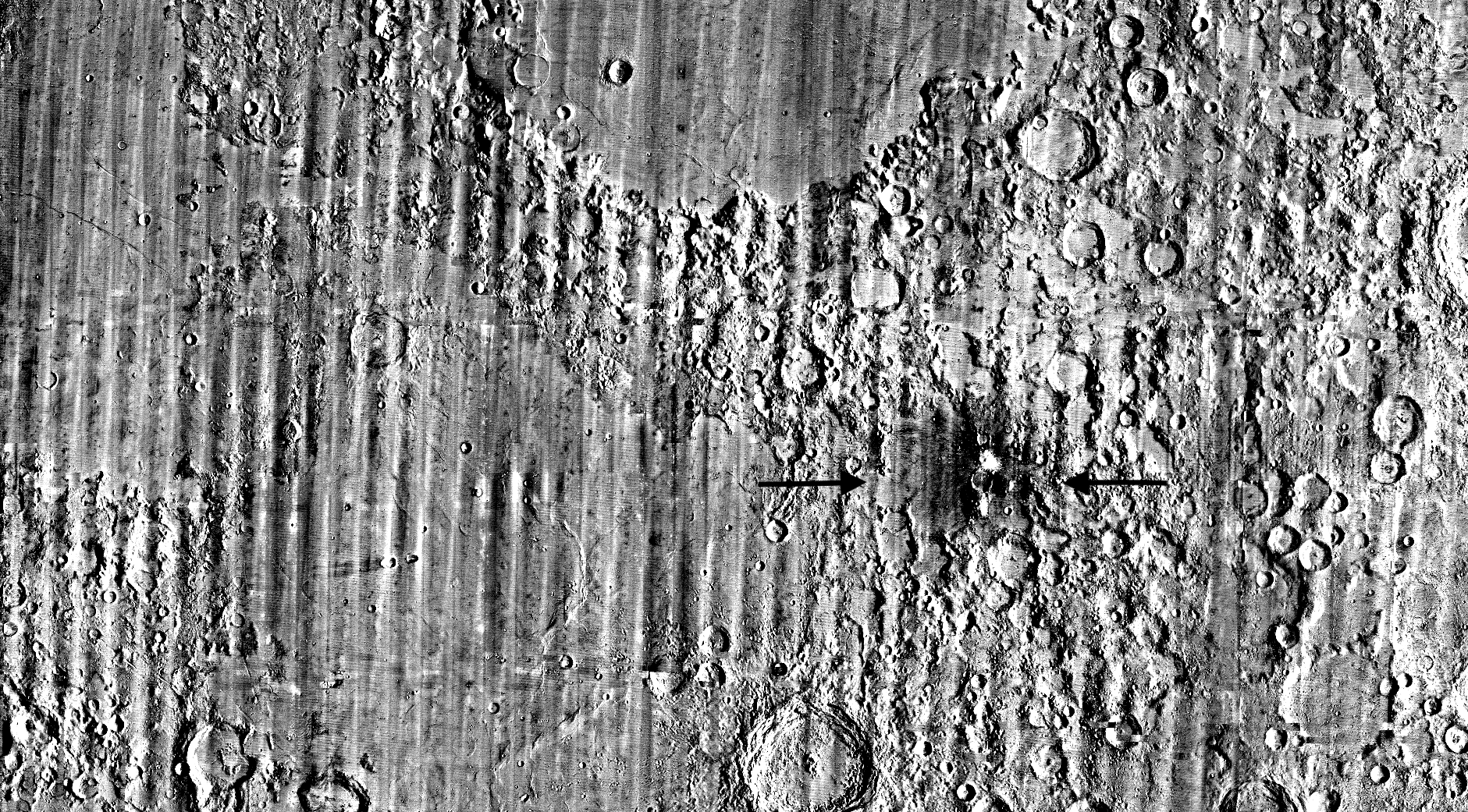
The Moon may look unchanging from Earth, yet objects continue to strike it. reported a new crater called McGetchin near the Moon’s eastern limb. It measures roughly 222 metres across and 43 metres deep. The impact occurred between 11 April and 22 May 2024. The discovery was reported two years later because detecting and checking a change across enormous image archives takes time.
How the mark was found
Robert Wagner was checking a global map built from Lunar Reconnaissance Orbiter images when he spotted a bright patch with a darker halo. An impact makes more than a hole: it blasts pulverised rock and dust across the surroundings. That changes how the ground reflects light, so the visible mark can be much larger than the crater. Earlier maps lacked the pattern; newer maps showed it.
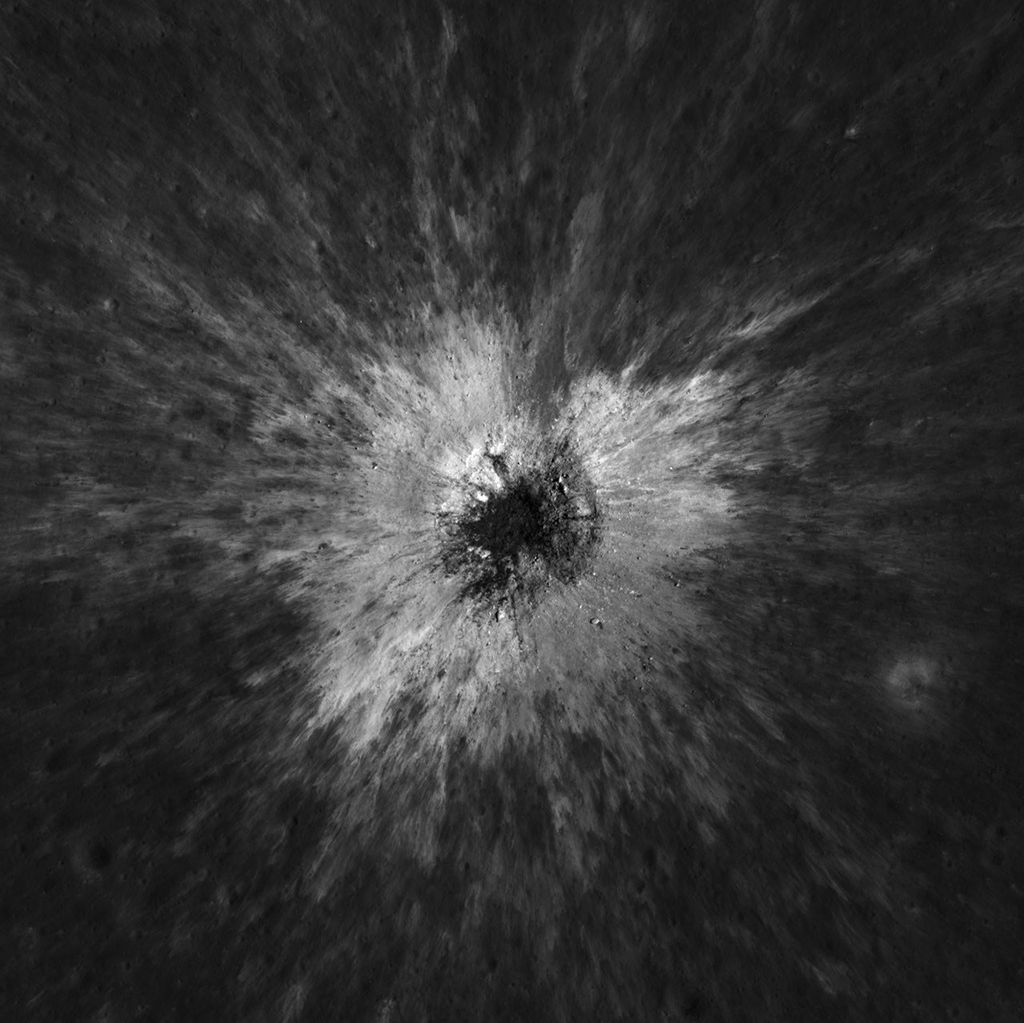
NASA Goddard / Intuitive Machines · Sources ↗ · Image terms ↗
Ruling out a shadow
Different solar angles, camera viewpoints and image processing can create apparent changes. The team therefore compared multiple observations, the radial pattern and high-resolution images of the terrain. ’s narrow-angle cameras can resolve much finer detail than a global wide-angle map. Images taken in December 2025 and March 2026 confirmed the shape of the crater and its rim. The impact date, discovery date and publication date describe different stages of the investigation.
A thermal fingerprint
’s Diviner instrument found an area about 6.4 kilometres wide around the crater that is roughly 9 degrees Celsius cooler at night than comparable ground nearby. The impact loosened the , affecting how it stores and releases heat. This thermal signal is independent of the photograph and strengthens the impact interpretation. Temperature alone cannot reveal every property of the soil, because rocks, lighting and measurement time also matter.
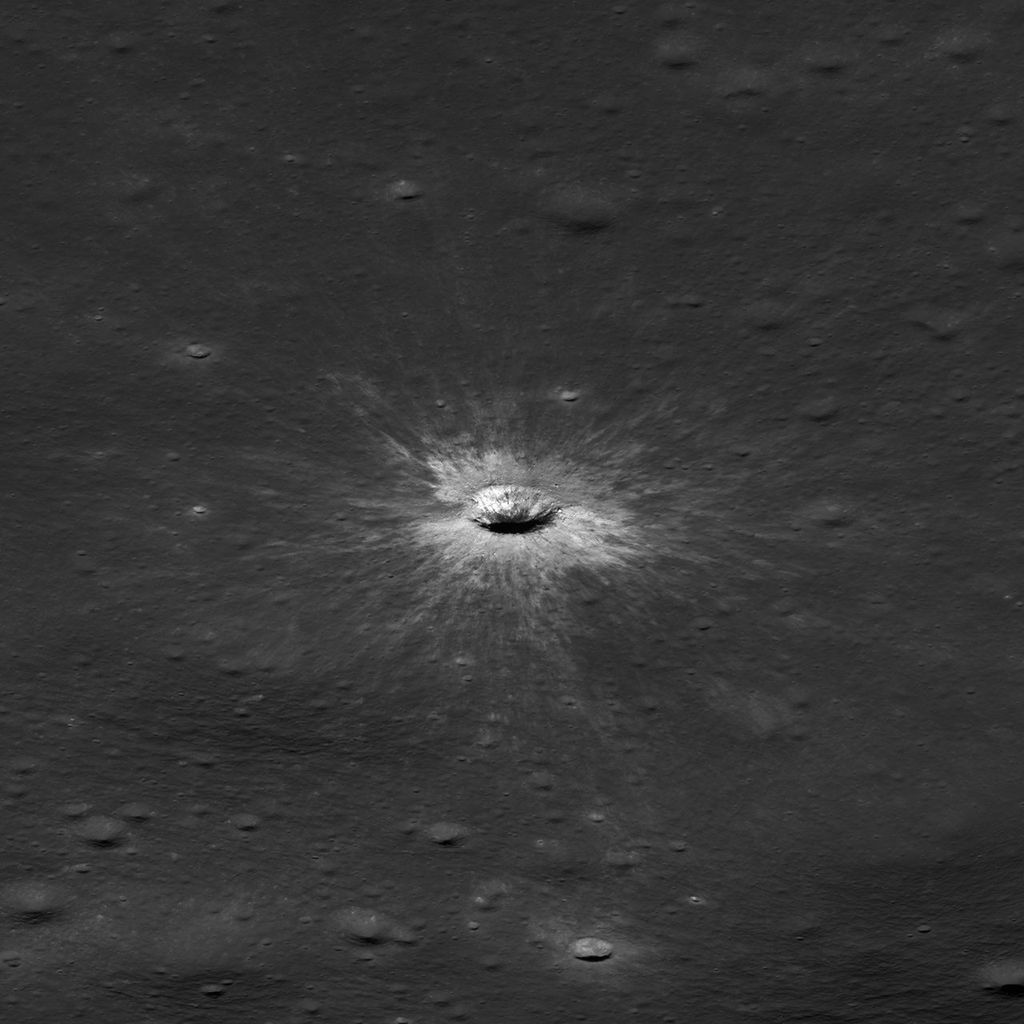
NASA Goddard / Intuitive Machines · Sources ↗ · Image terms ↗
What we can learn
has found many new lunar craters, but most are much smaller. Describing an impact of this scale as perhaps a once-in-a-century event is a statistical estimate, not a forecast. Because McGetchin is fresh, scientists can connect its shape, and thermal behaviour to a fairly well constrained formation time. Better knowledge of disturbed lunar ground can also inform how future landers and rovers interact with the surface.
Key terms
is the layer of broken rock and dust on the Moon; is material thrown outward by an impact.