
What is happening?
The two telescopes observed — icy bodies orbiting far beyond Neptune.
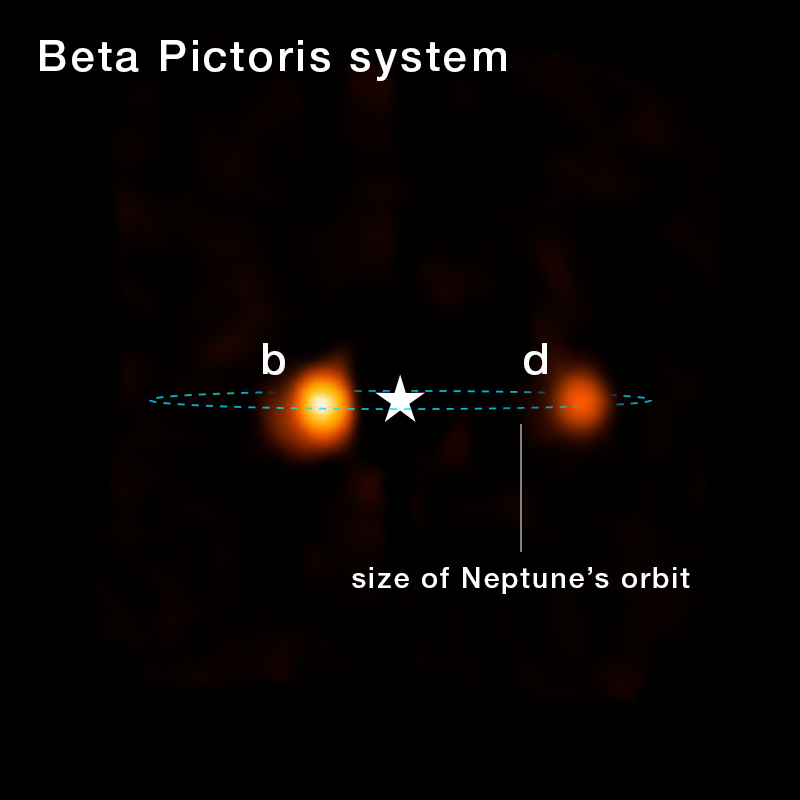
orbit the Sun beyond Neptune. Many are small, icy and so faint that even sensitive ground-based telescopes struggle to see them. Hubble and Webb studied 27 newly discovered objects together. The smallest is roughly five kilometres across. In the telescope images these worlds are not detailed globes but tiny points of light that require careful measurement.
How and why?
Visible and infrared light together reveal more about their colour and surfaces than either telescope alone.
Hubble observes visible light while Webb observes infrared light. Combined, they reveal surface colours and properties better than either telescope alone. The team compared two populations: objects on relatively undisturbed, nearly circular orbits and objects on more tilted and elongated orbits. Here the labels “cold” and “hot” describe orbital behaviour, not the bodies' temperatures.
How do we know?
Researchers analysed the colours, sizes and orbits of 27 newly discovered bodies.
Researchers measured these faint objects' colours, sizes and orbits. They were surprised that the smallest bodies followed colour relationships similar to those of larger members of their groups. They also found fewer tiny bodies than some models predicted. That does not make the models useless; the new evidence gives scientists a reason to improve them. The sample is an important step, not a complete census beyond Neptune.
Why does it matter?
These objects may preserve clues from the early stages of planet formation.
These bodies may be leftovers from the time when dust and pebbles joined into larger objects before planets formed. Changes can be slower far from the Sun, so their surfaces may preserve old clues. Comparing their colours and numbers helps scientists test the history of the early Solar System: how planets formed and how their orbits changed.
Small worlds as an archive of the Solar System
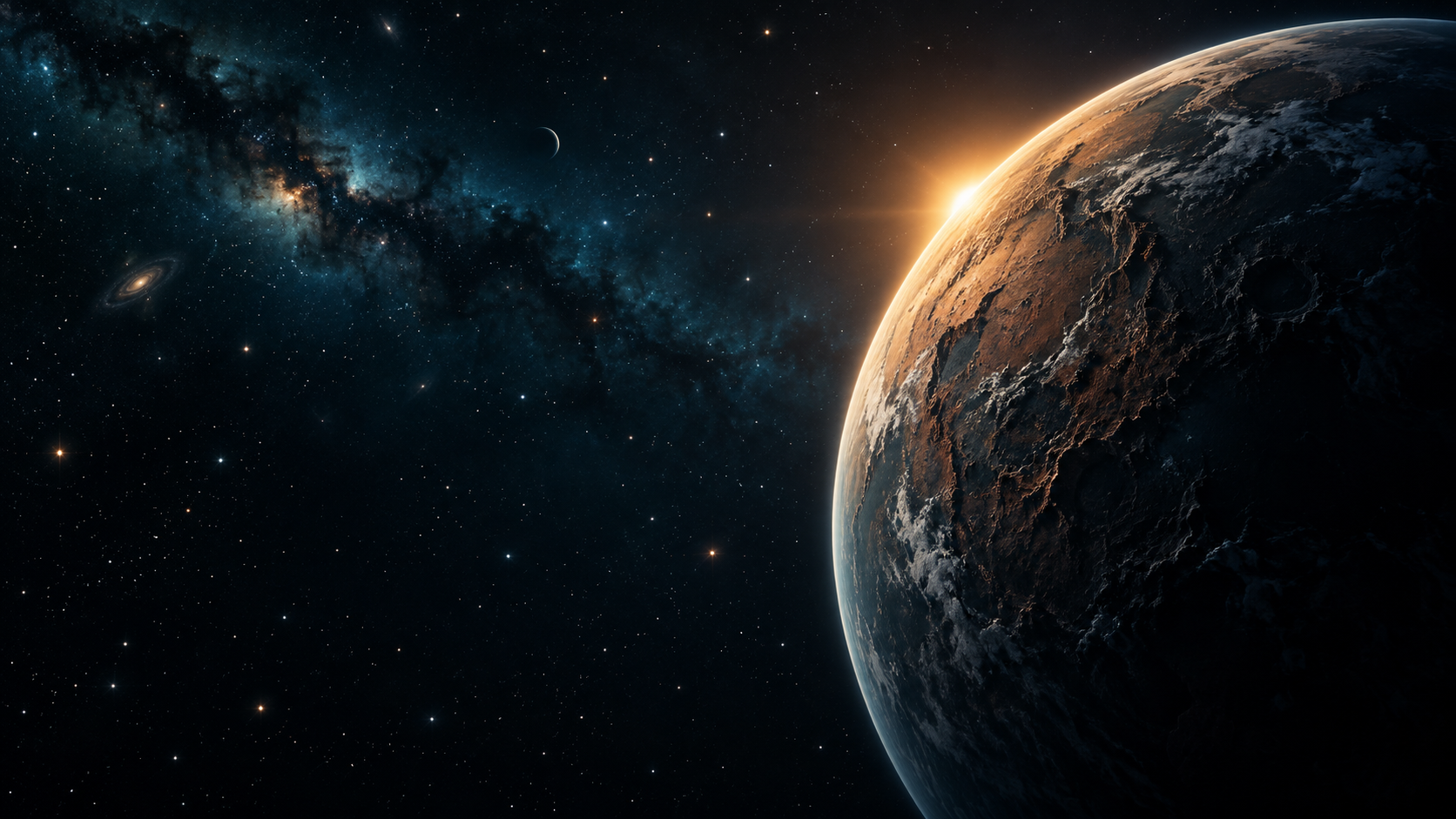
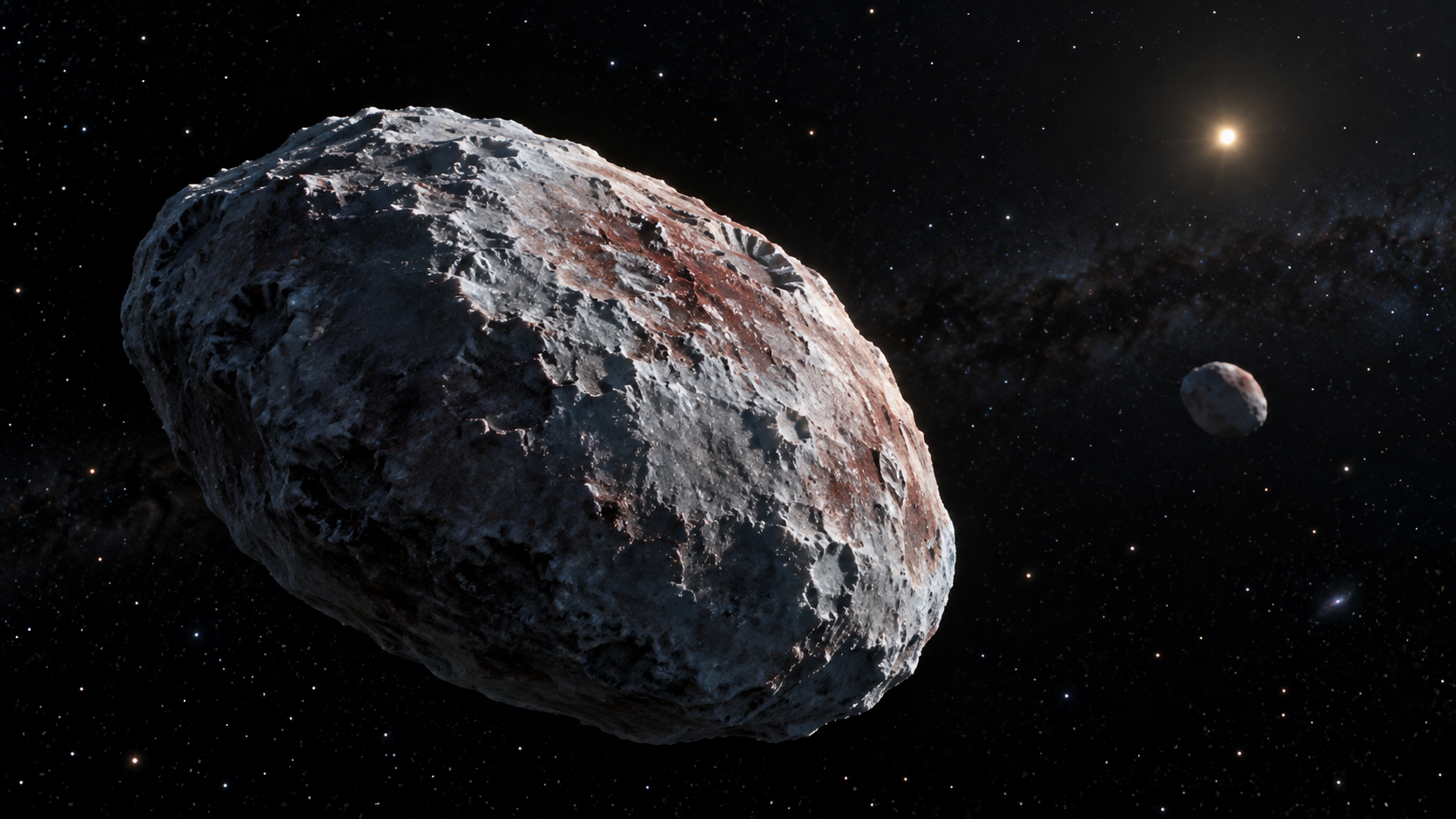
Beyond Neptune orbit icy and rocky bodies that never grew into large planets. Their surfaces and orbits may preserve clues from the time planets formed and migrated. Two telescopes are useful for more than a prettier image: Hubble and Webb detect different wavelengths, so one object can have different brightness in visible and infrared light. Comparing those signals constrains size, temperature and surface composition, though significant uncertainties remain.
Measurements are difficult because these worlds are small, cold and very distant. Their positions change slowly against the background sky, so observations must be coordinated carefully. A point of light alone does not reveal whether a body is perfectly round, what its terrain looks like or what lies under the surface. Astronomers combine colours and orbital information, then compare their results with laboratory spectra of ice and other materials.
The value lies in more than discovering one extra object. The distribution of sizes, colours and orbits across a population records collisions and gravitational disturbances in the early Solar System. If a model of planet formation does not predict the observed kinds and numbers of distant bodies, the model needs revising. These small worlds are therefore an archive, but one that requires several independent measurements to read.
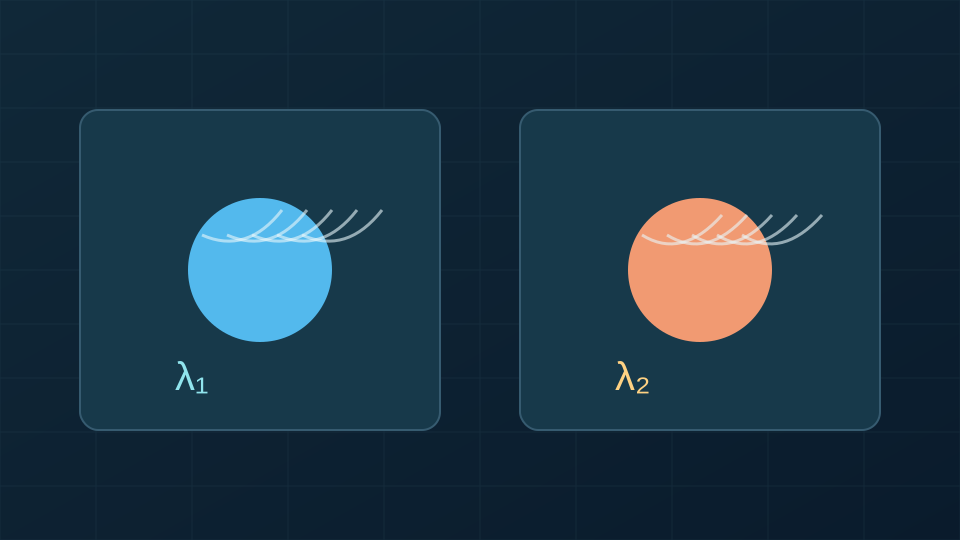
Original NZM illustration · Sources: NASA
A further detail
Even the label “frozen world” can mislead: we often do not know precisely which ices cover a surface, and reddish or dark colours may come from organic material altered by radiation. The surface need not resemble the interior. Astronomers compare spectra with laboratory samples and consider how cosmic radiation changes outer layers. An orbit supplies a different clue: an elongated or tilted path can record past gravitational encounters. Every measurement allows more than one interpretation. Only by considering colour, brightness, temperature and orbit together does the history of a distant body become less uncertain.
Many trans-Neptunian bodies were found only in recent decades, so some orbits still need longer observation records. Better orbital estimates make future telescope observations more dependable. Small changes in brightness can then be connected more confidently to rotation or surface differences.
Key terms
— a body orbiting the Sun beyond Neptune.