

Physics
Light, forces, energy and the laws of nature.
 Physics
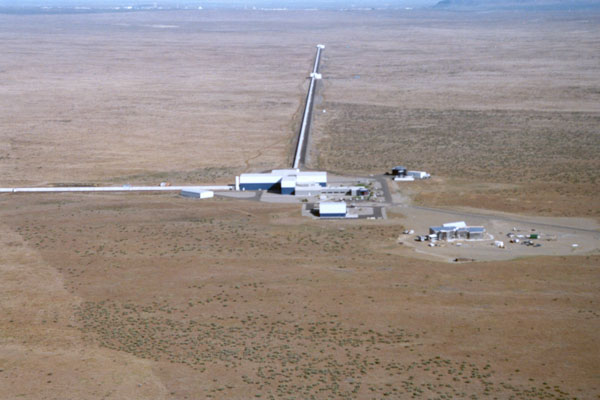
Gravitational waves: from Einstein's equation to an observatory in space
When two black holes collide, the Earth does not shake like an earthquake. An almost imperceptible change in distance passes through it. Scientists have waited a century to measure that trace, and now they are building an instrument that will listen to the much slower "rhythm" of space.
 Physics
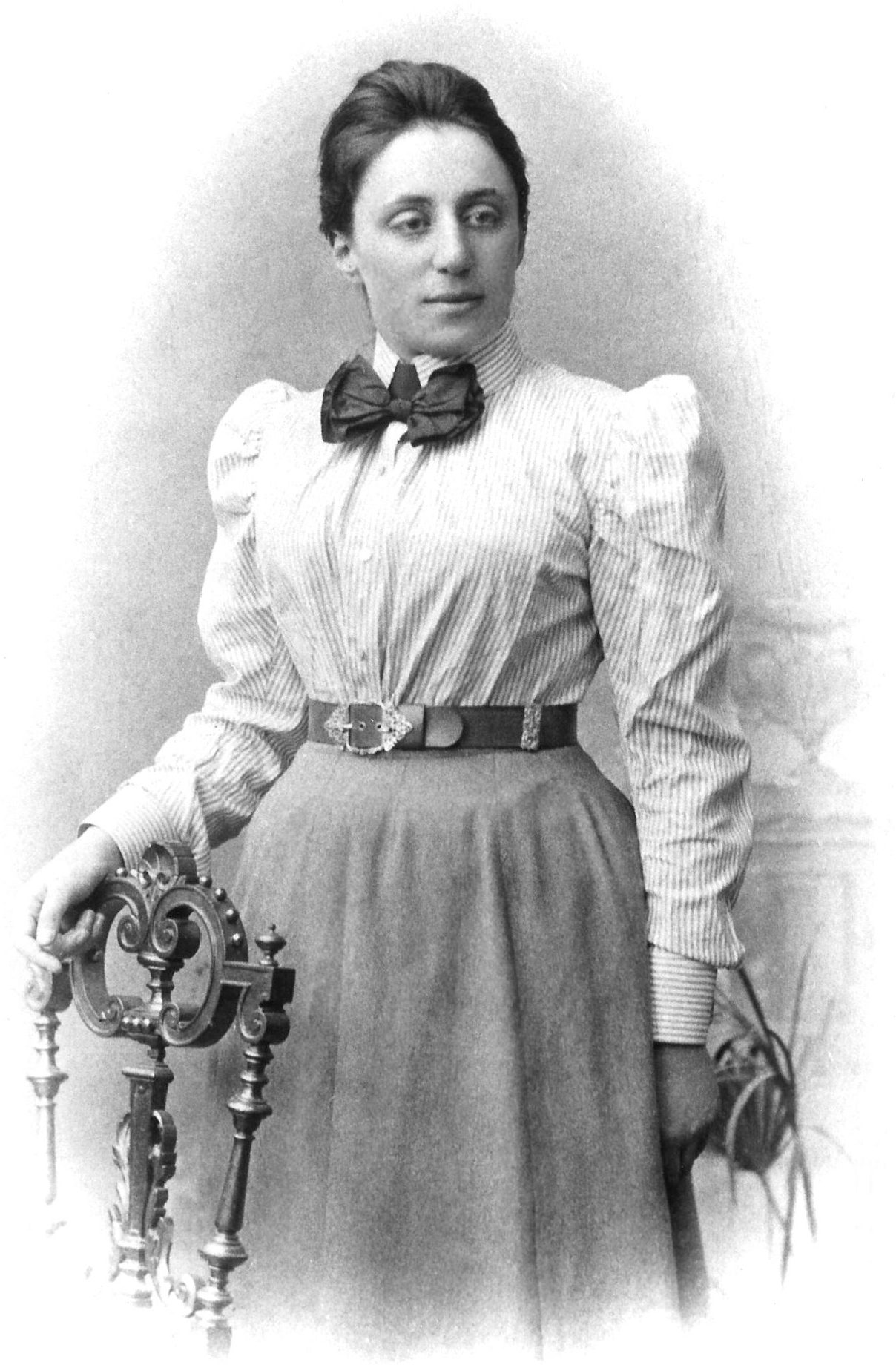
Why are symmetry and energy conservation connected?
Release a pendulum and its speed changes, yet energy does not disappear without a trace. Repeat the experiment tomorrow and we expect the same rules of motion. There is a deep connection between these observations: the fact that physical laws do not change when we shift an experiment in time is linked to the conservation of energy. In 1918, mathematician Emmy Noether showed how such connections can be proved. Her idea helps us understand familiar experiments while also making us more careful when we ask about the energy of the entire universe.
 Physics
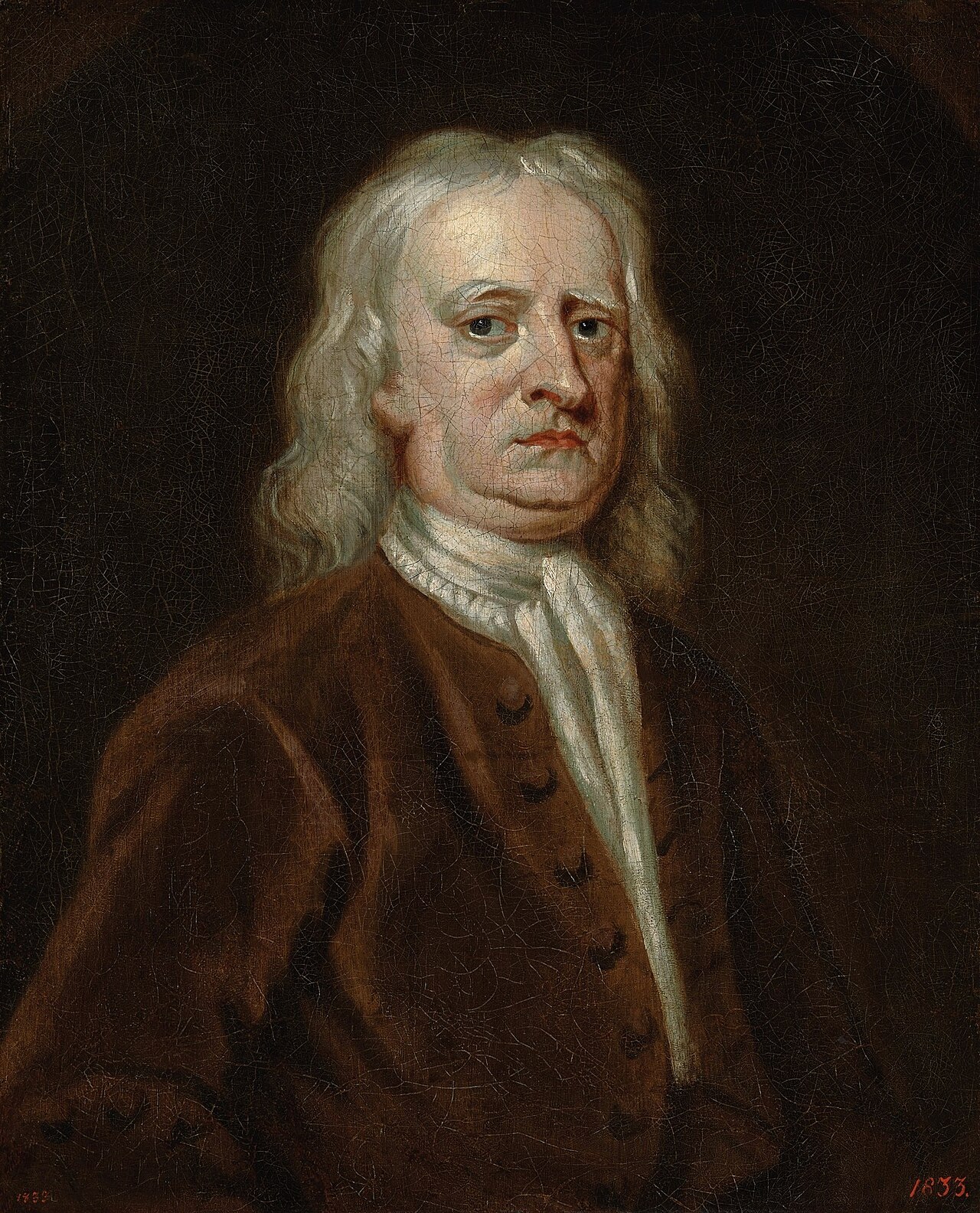
Newton and Leibniz: who invented calculus?
The famous quarrel turns on manuscripts, publication, notation and what it means to be “first” in science.
 Physics
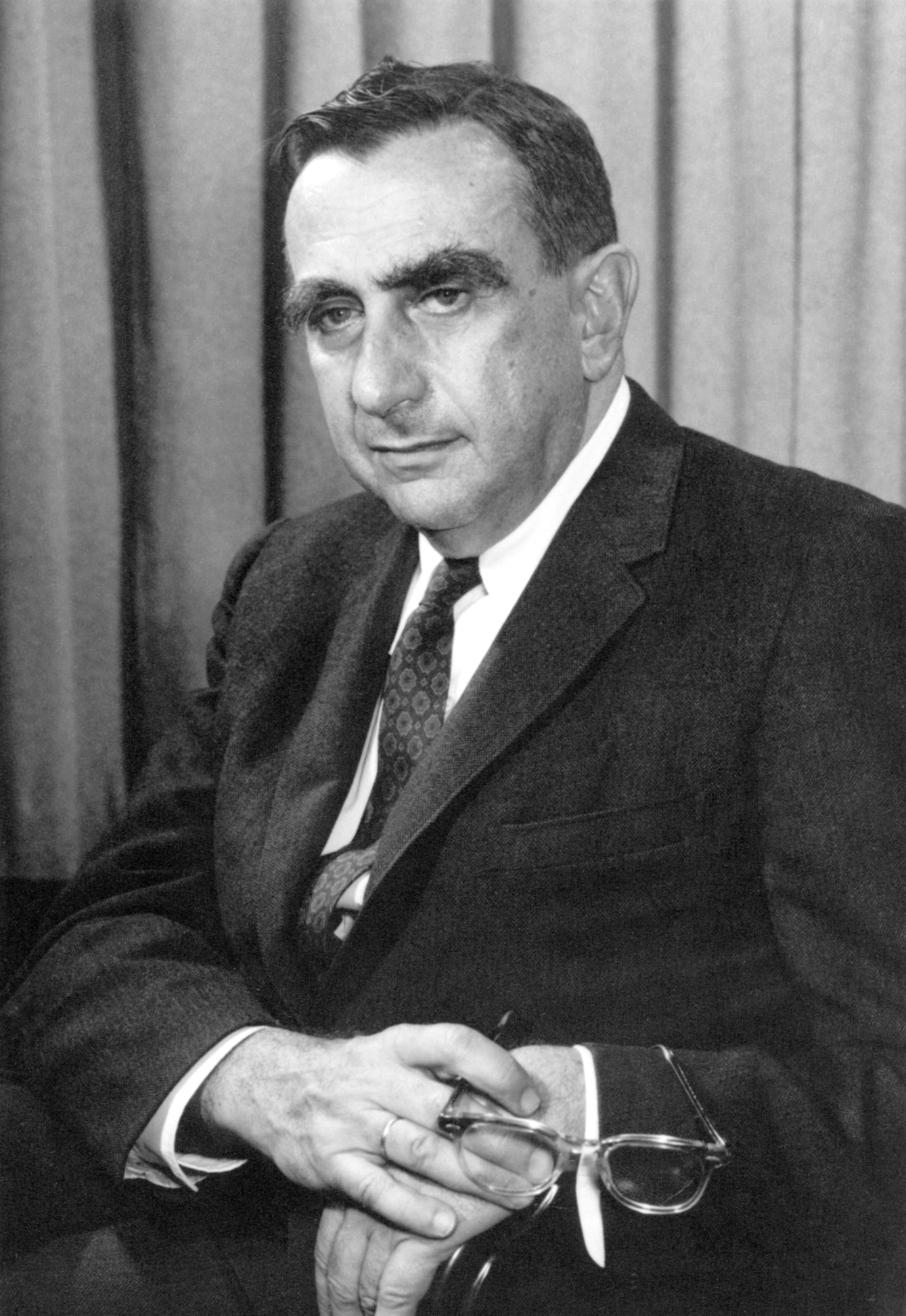
Edward Teller: the genius who opened the thermonuclear age
From quantum physics and flight from Nazism to the hydrogen bomb, the Oppenheimer hearing and “Star Wars”.
 Physics
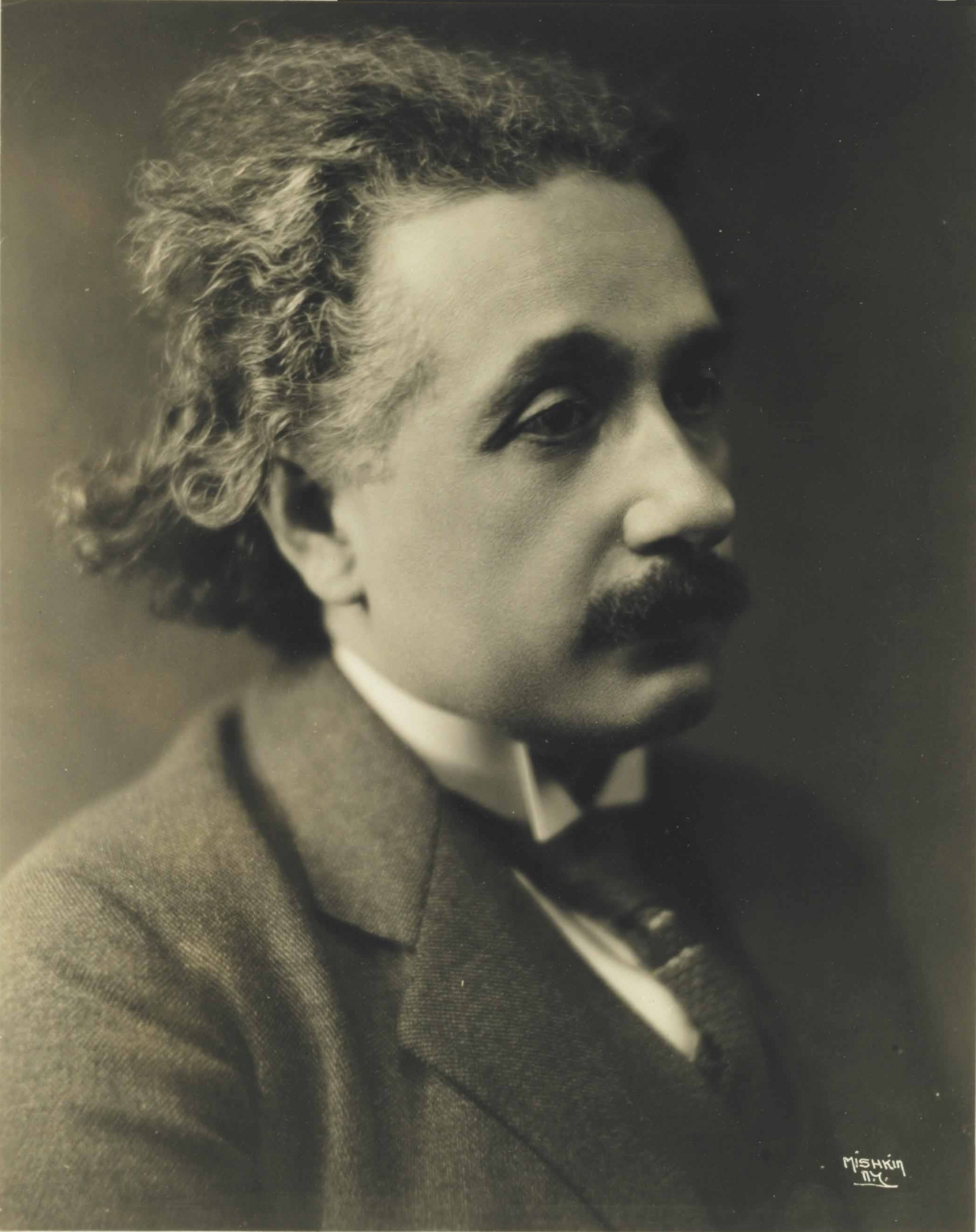
Albert Einstein: from light quanta to curved spacetime
How a patent clerk changed our understanding of light, time and gravity, and how the ideas were tested.
 Physics
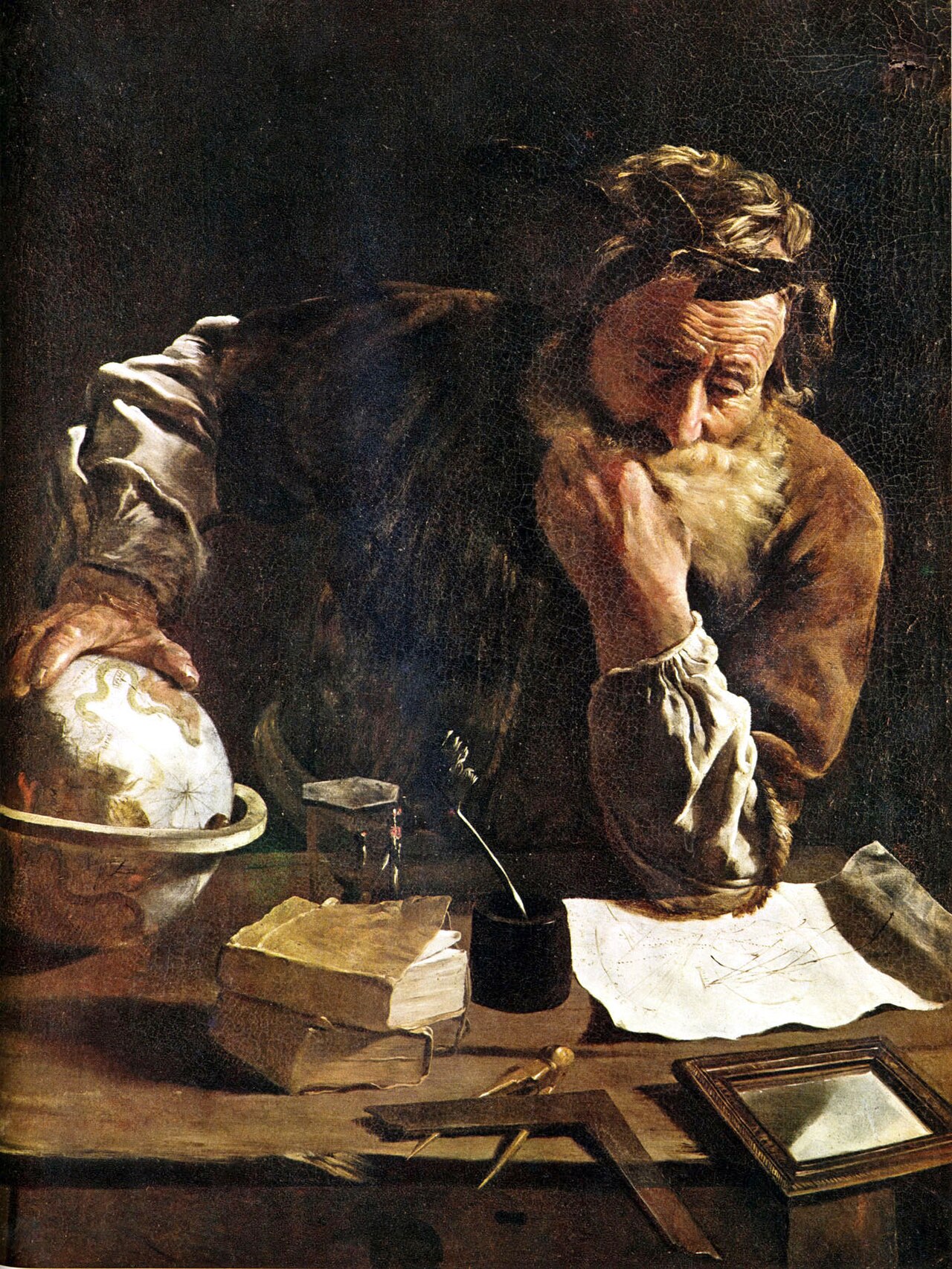
Archimedes: buoyancy, levers and ideas ahead of their time
Behind the “Eureka” story stand rigorous geometry, problems of balance and questions that still matter in physics.
 Physics
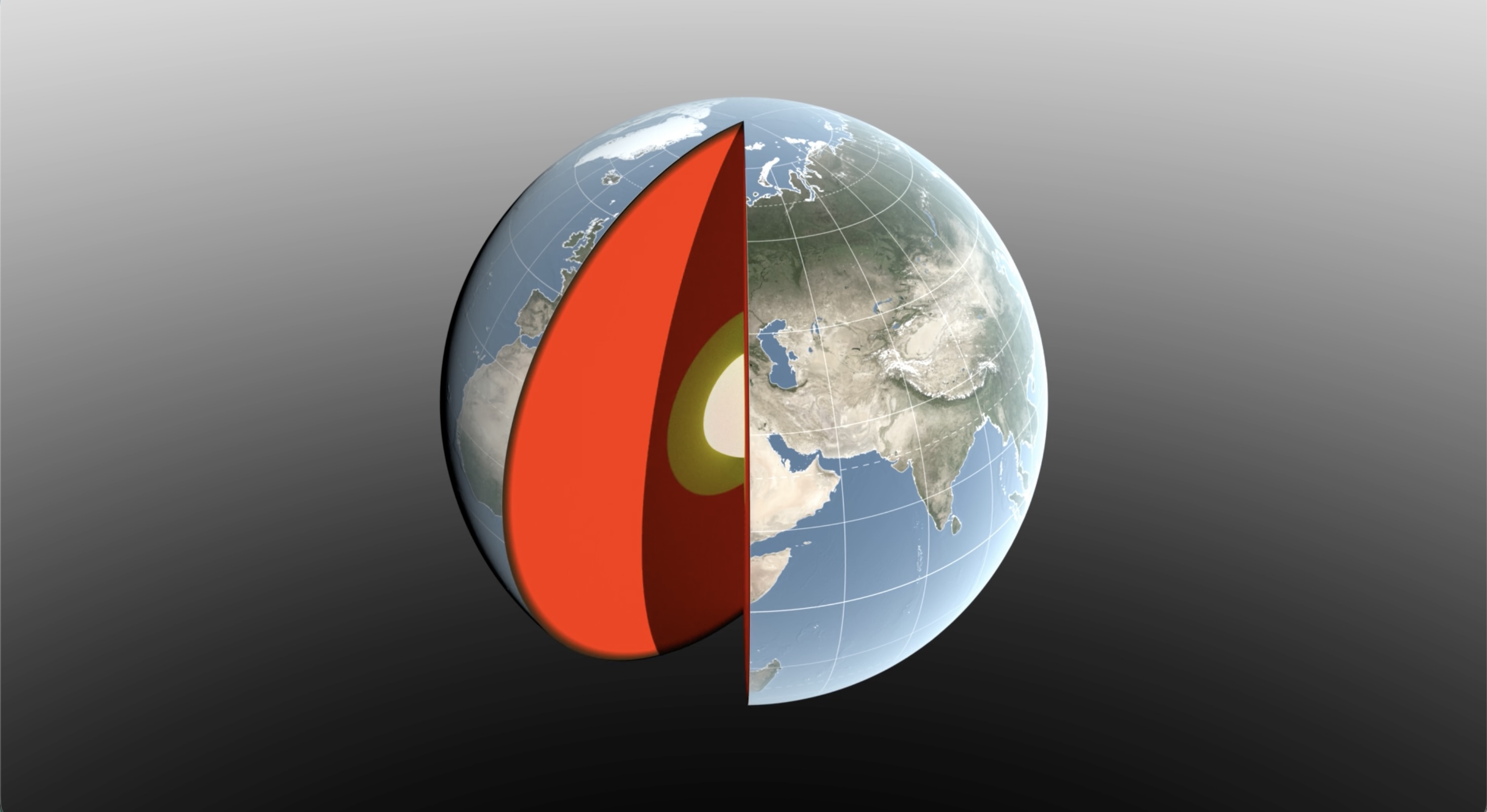
How NASA measures Earth’s shifting center to the millimeter
Water, snow and ice change how our planet’s mass is distributed. Precise measurements reveal a tiny seasonal shift in its center of mass.
 Physics
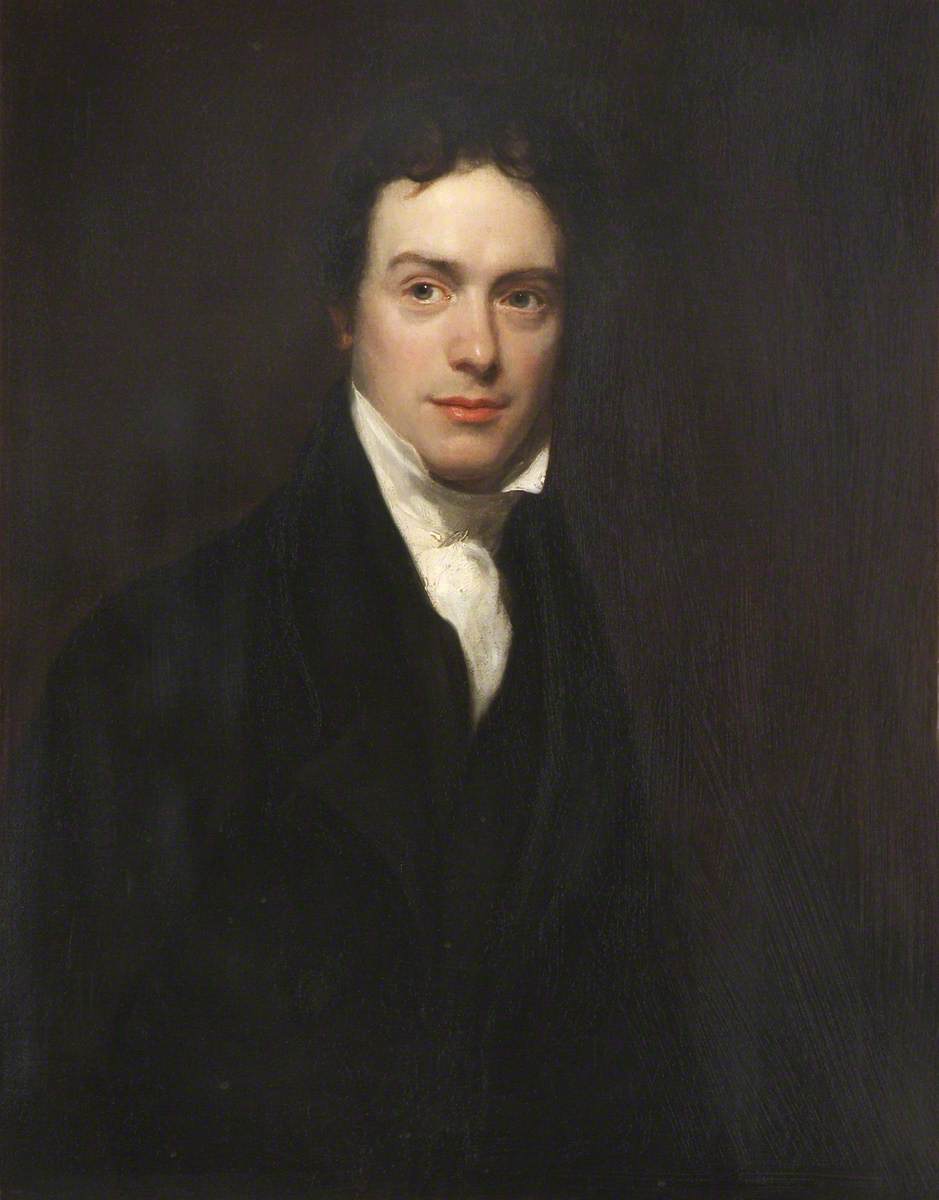
How did Faraday discover electromagnetic induction?
An 1831 experiment showed that a changing magnetic field can produce an electric current.
 Physics
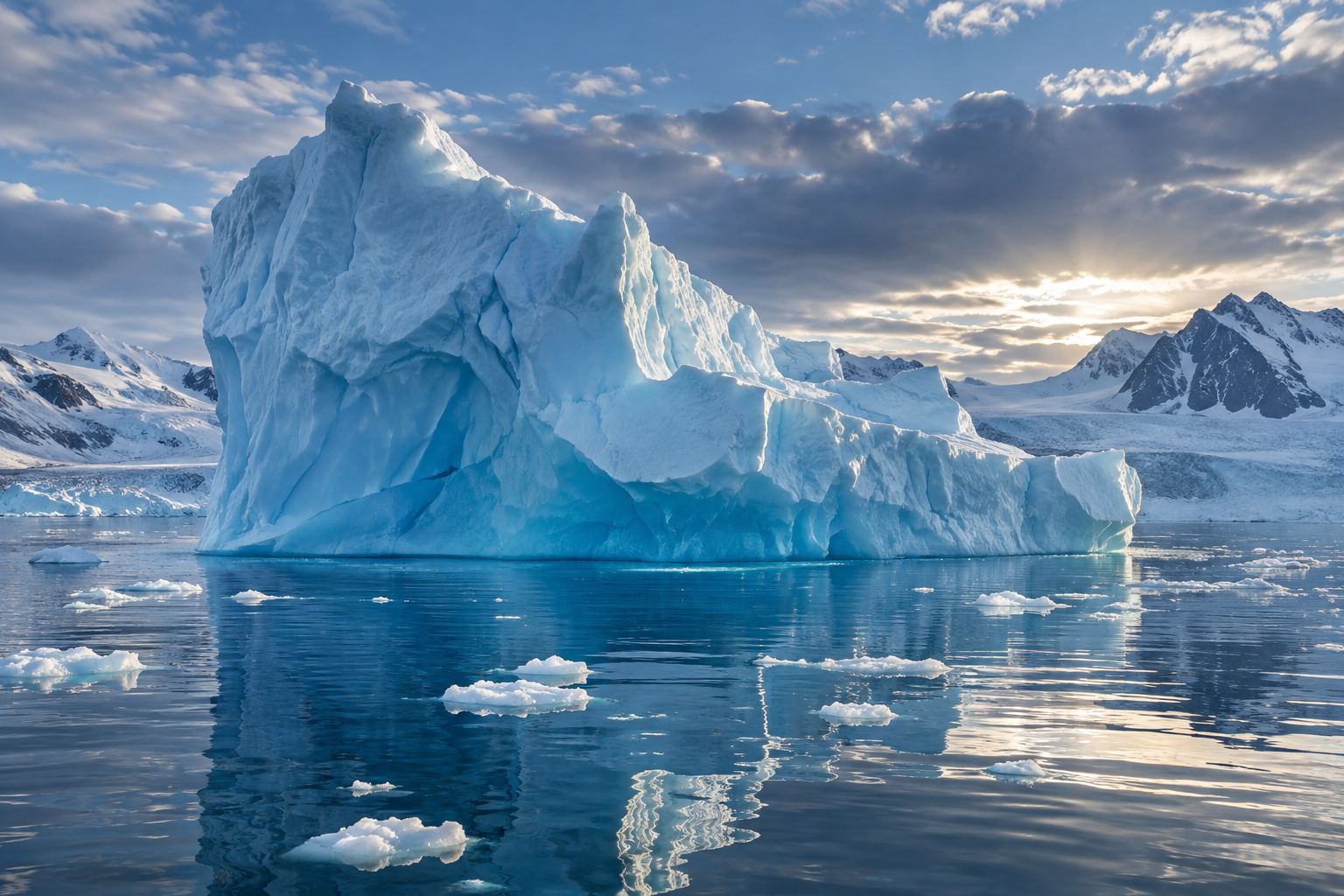
Why does ice float?
Water expands as it freezes, leaving ice less dense than liquid water.
 Physics
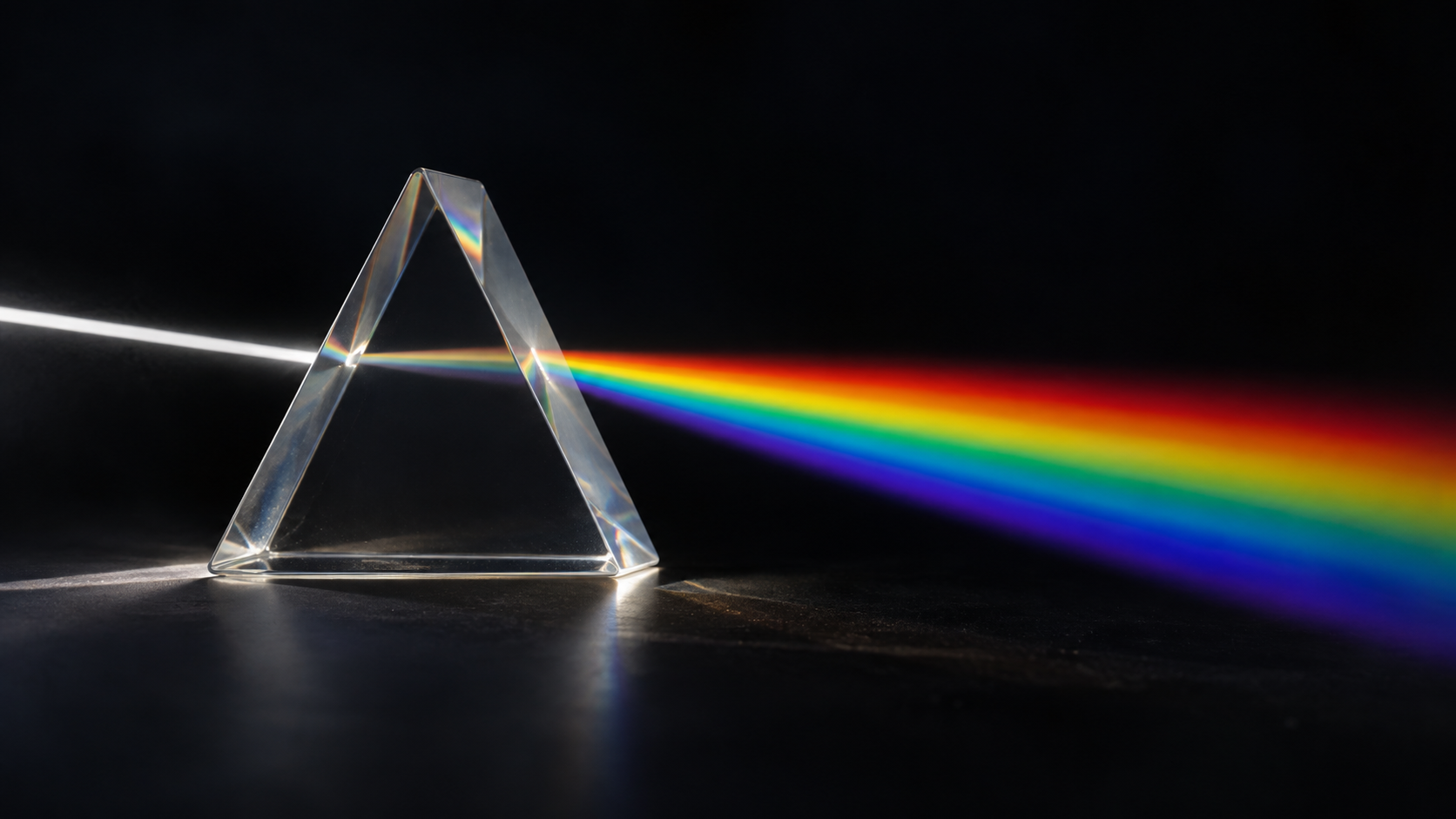
Why is the sky blue?
The answer lies in how air molecules scatter sunlight.