

Technology
Ideas changing the world.
 Technology
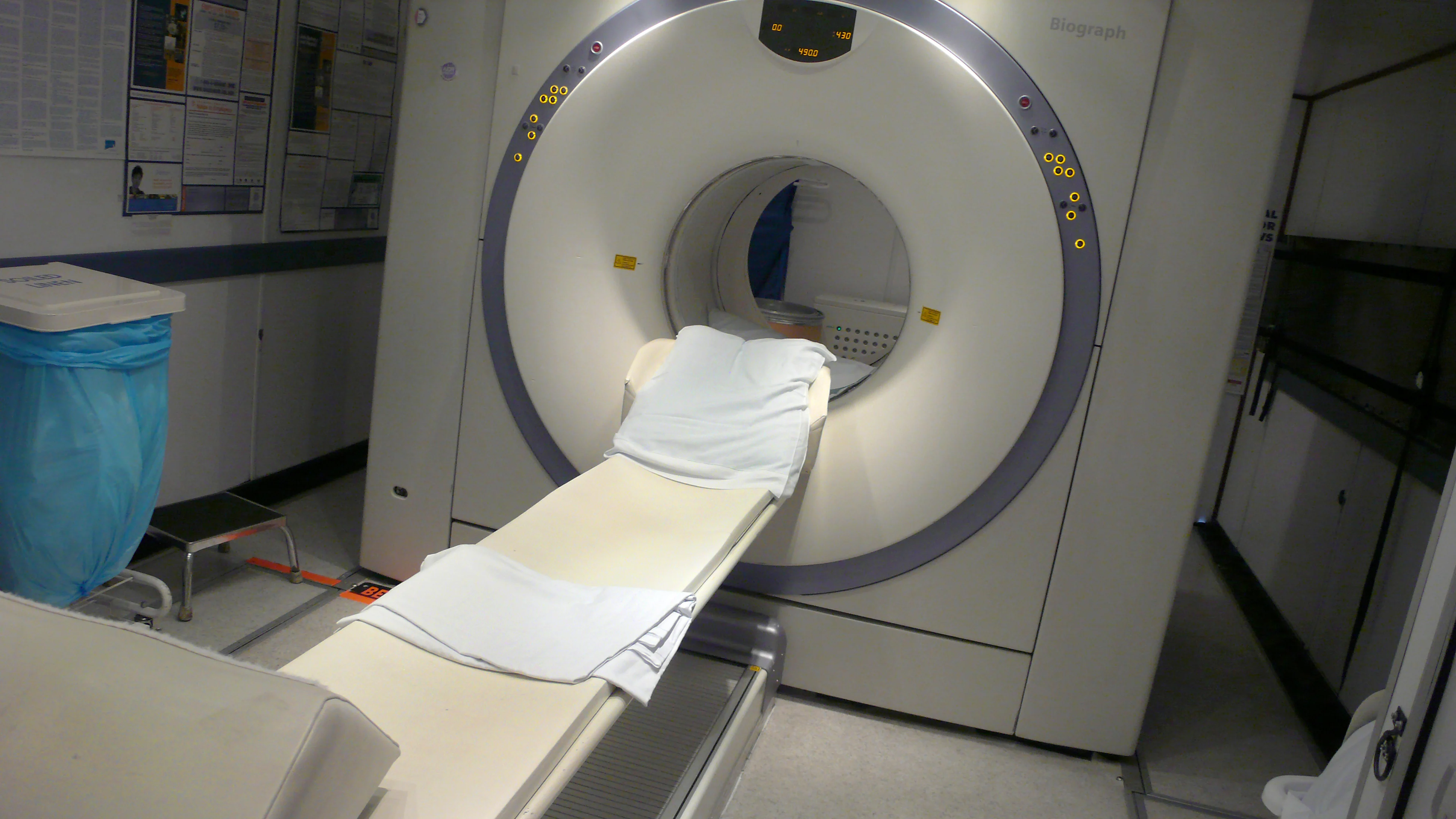
How PET scanners work: from positrons to images of tumours, hearts and brains
PET reveals more than the shape of an organ: it shows where a carefully selected labelled substance has accumulated. Paired with CT, it connects the chemistry of tissue to anatomy. The path from one radioactive atom to a medical image brings together nuclear physics, cell biology and the computer processing of millions of signals.
 Technology
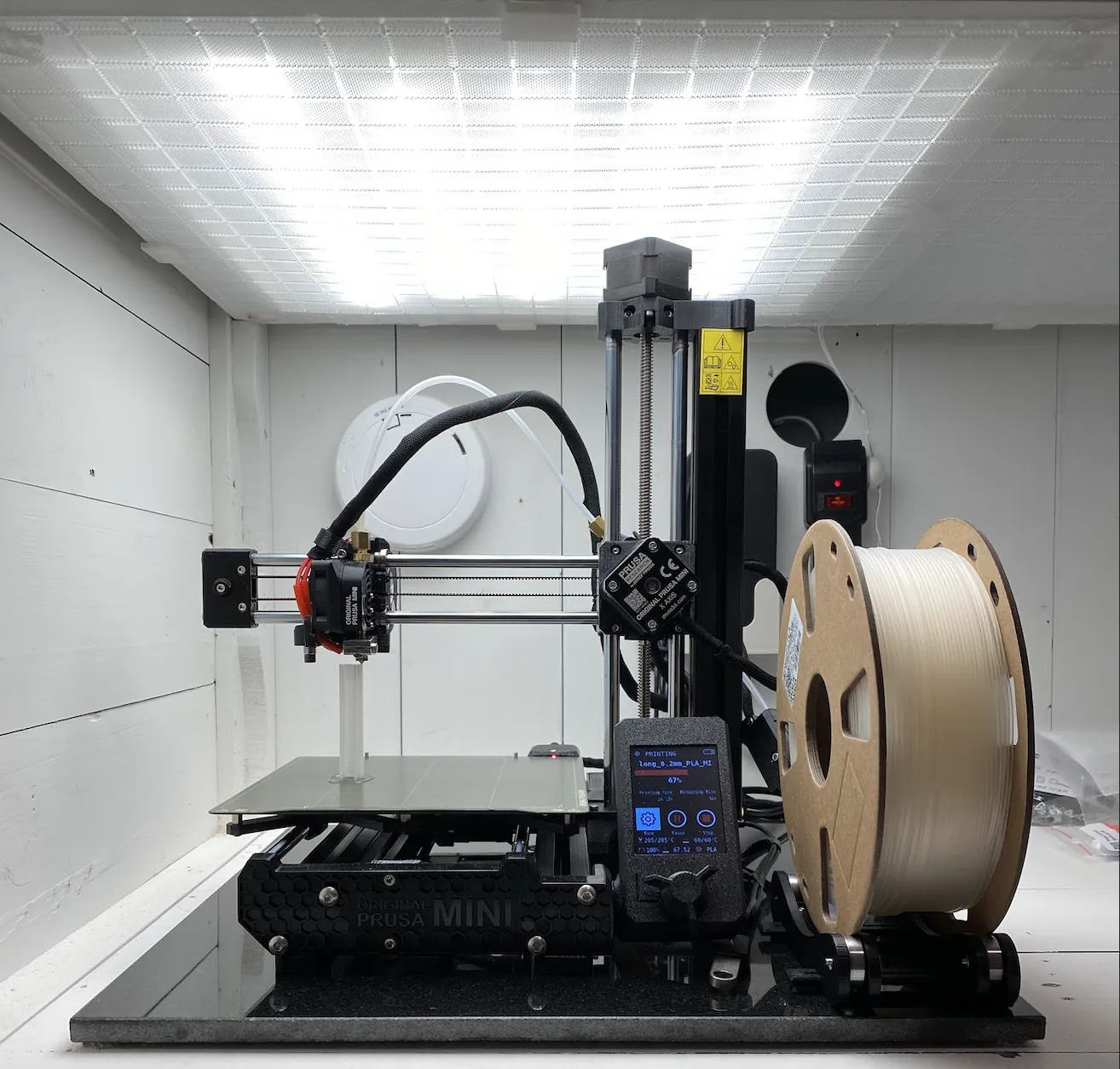
How a 3D printer works: from a digital model to an object in your hand
We draw an object on a screen and, a few hours later, lift it off a build plate. Between those moments lies a series of decisions: how to turn the model into layers, which material to use, and how to stop the finished part from warping or falling apart.
 Technology
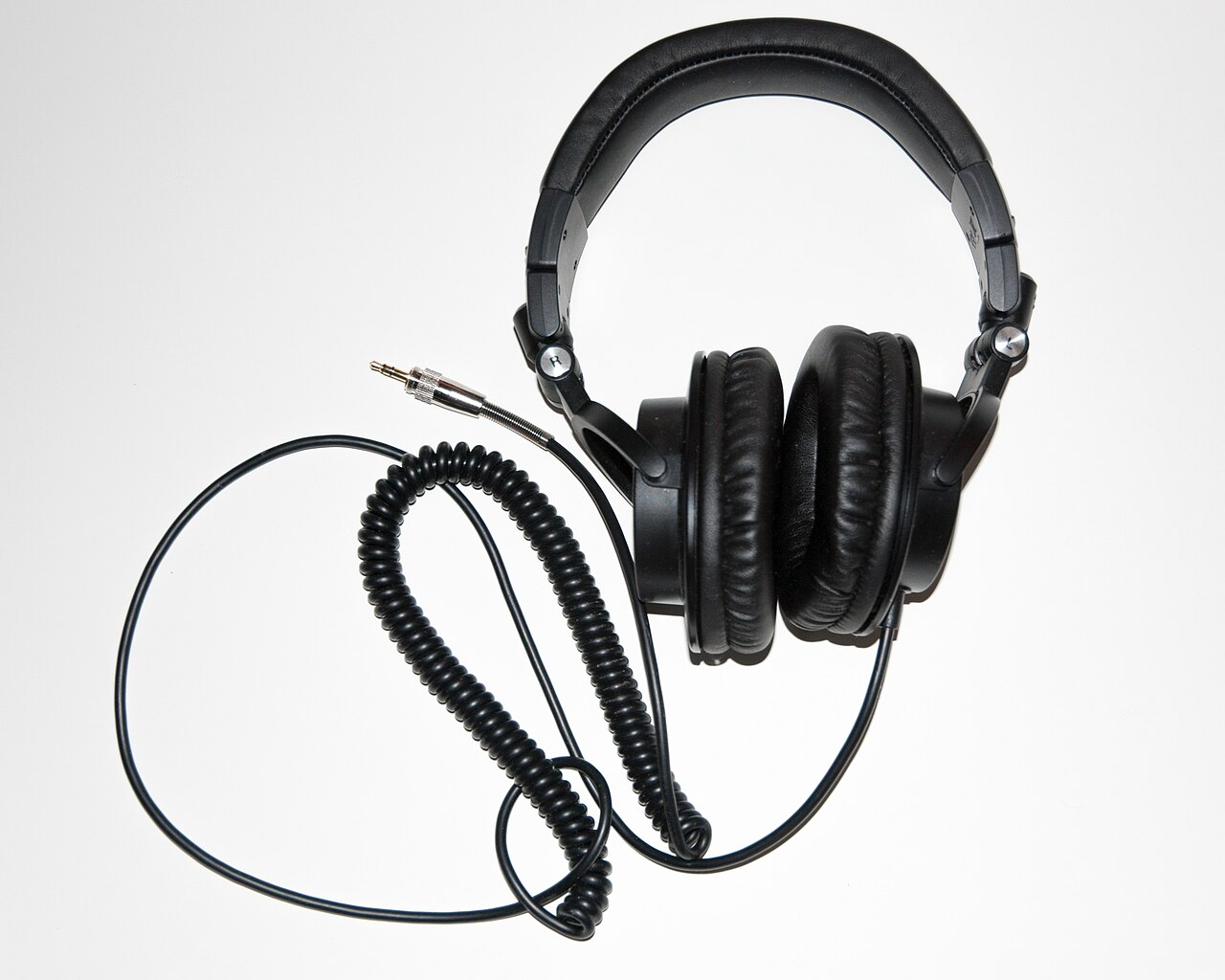
Headphones that pick one voice out of a noisy room
In a café, voices overlap with clattering dishes and music. Someone across the table starts speaking, but you catch only a few words. Our brains can often focus on a familiar voice, yet this is difficult in a crowded room. Researchers at the University of Washington presented a headphone prototype in 2024 that lets a user choose a speaker: turn towards that person, press a button, and hear their speech more clearly even as both people move.
 Technology
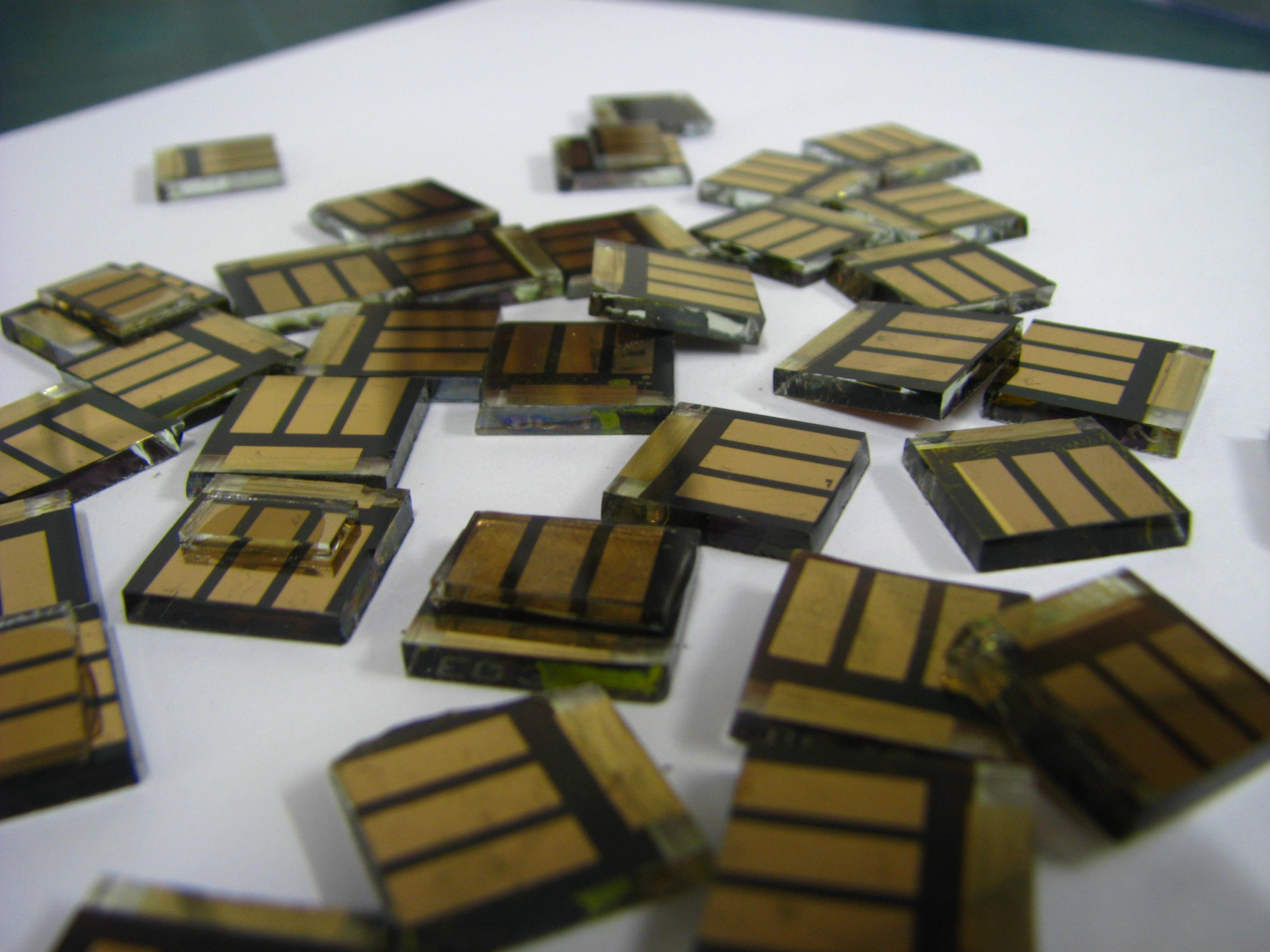
A molecular “raincoat” protects a lead-free solar cell
A protective arrangement within tin perovskite helped a laboratory cell reach 16.2% efficiency while resisting degradation.
 Technology
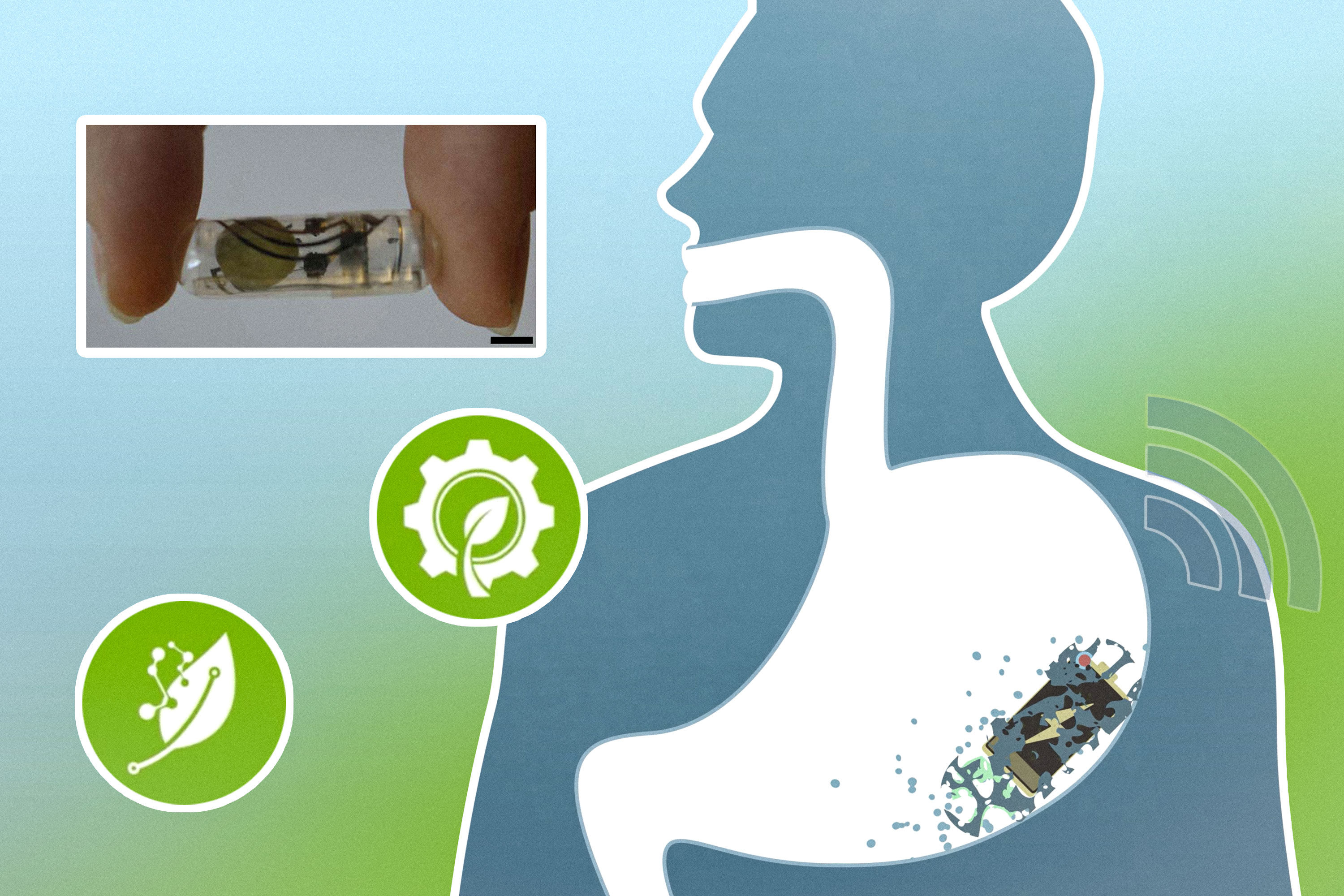
A dissolving battery could power future medical capsules
An MIT prototype powered two kinds of ingestible electronics in experiments and then gradually broke down.
 Technology
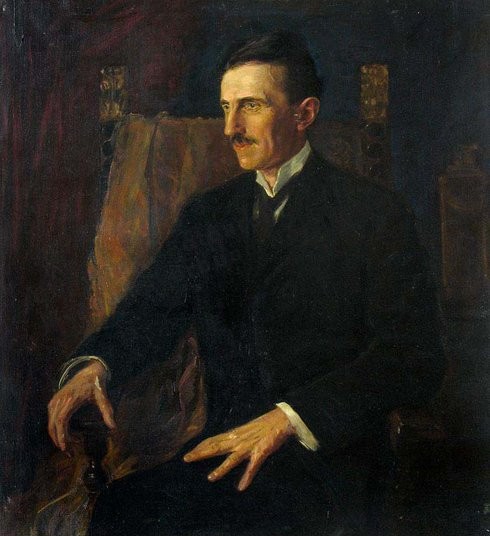
Nikola Tesla: the motor that changed the electrical world
From Smiljan to rotating magnetic fields, AC patents and the boundary between working inventions and grand plans.
 Technology
NASA and IBM release an AI model for Moon science
The open model learned from roughly two million lunar image patches. It may help researchers find interesting terrain faster, but people must verify its suggestions.
 Technology
How much can we trust AI?
AI tools can be useful, but a convincing answer is not necessarily a correct one.