

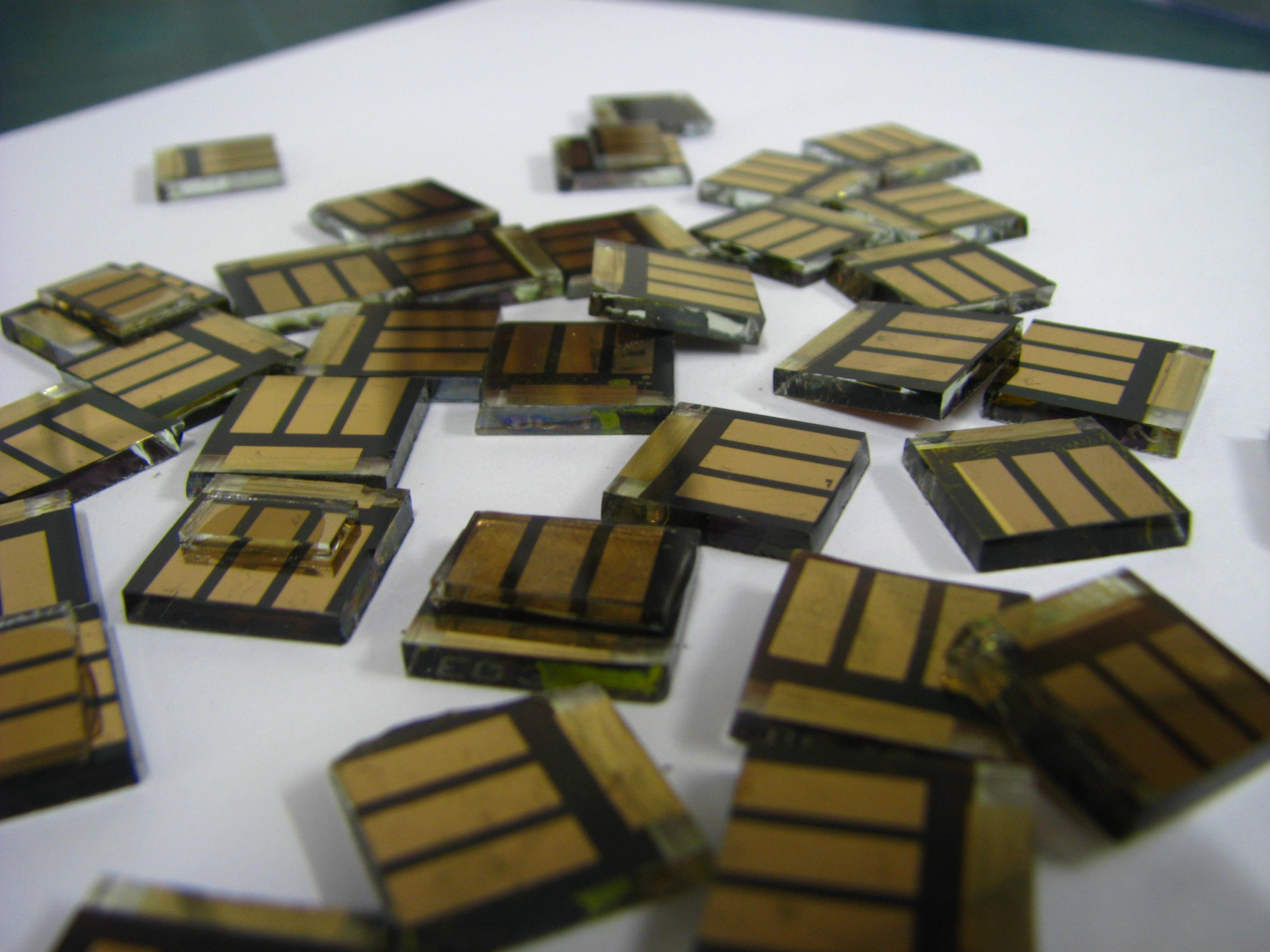
A promising but fragile material
A solar cell must absorb light, convert it to electricity and withstand years of oxygen, moisture and heat. are promising at the first task, but durability remains difficult. Tin-based versions avoid lead in the light-absorbing layer. Tin in the relevant chemical state, however, readily oxidises, degrading the material and its electronic behaviour. The University of Wisconsin–Madison team investigated a way to protect it through the material’s own structure.
What happens inside a cell?
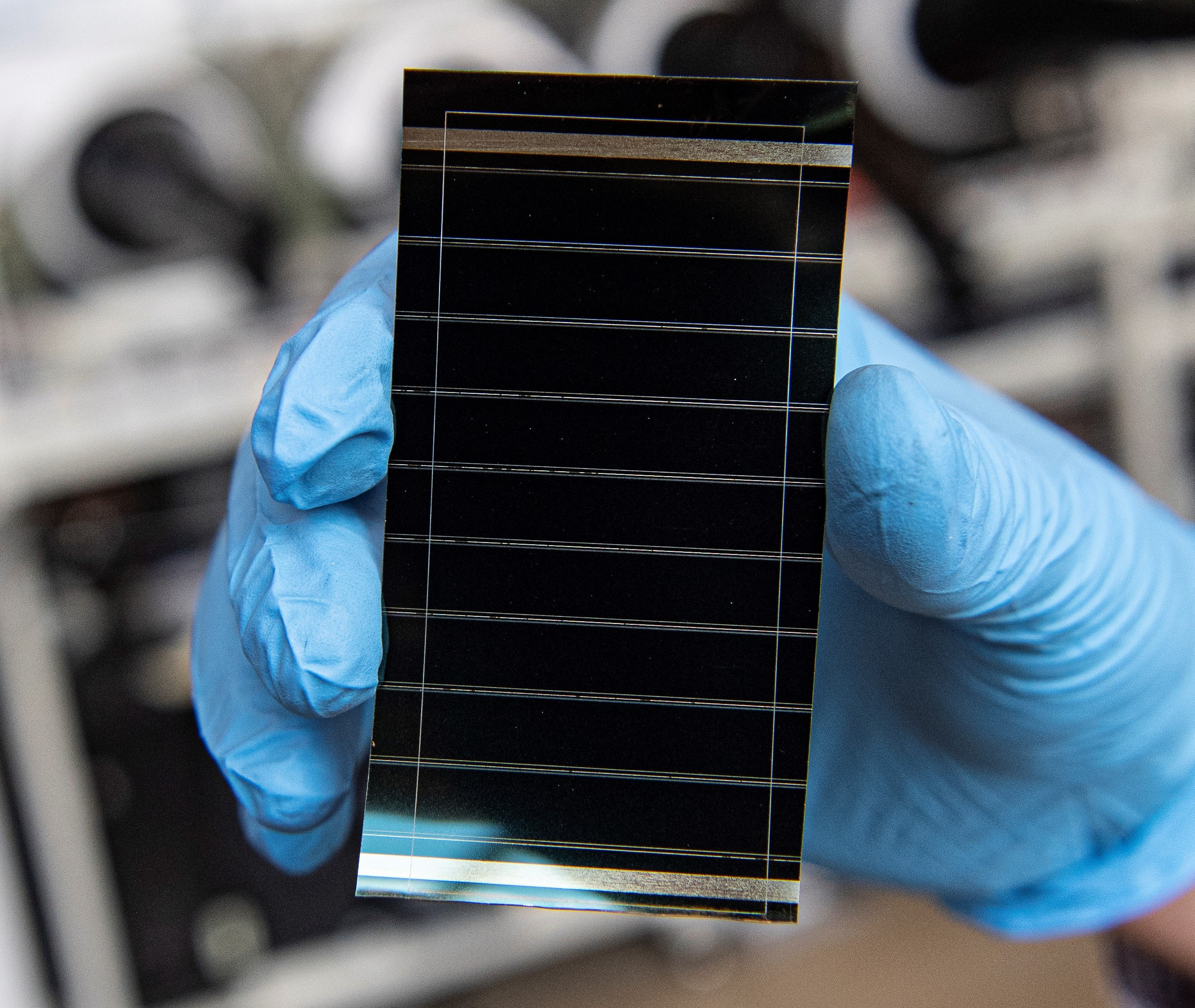
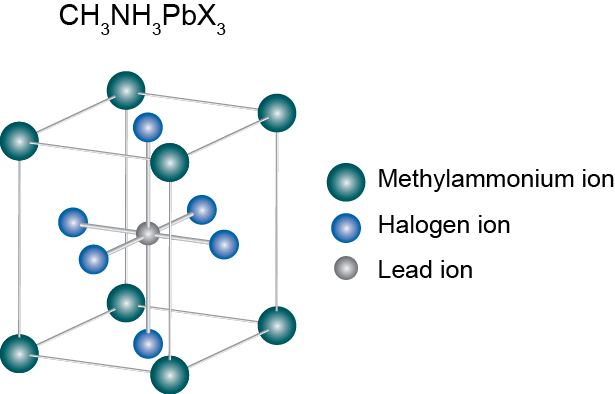
Incoming photons free charge carriers in a semiconductor. Other layers guide those carriers to electrodes, producing a usable current. names a family of related crystal structures, not one single substance. Researchers can change the composition and arrangement of their atoms, but each choice affects both performance and stability. A laboratory tin- prototype should not be confused with the silicon modules already deployed on roofs at scale.
Dennis Schroeder / NREL · Sources ↗ · Image terms ↗
A protective internal arrangement
The researchers used a molecule known as 4ClPEA to help form a protective structure within the tin . The raincoat analogy describes its effect, not a literal external plastic sheet. Molecular arrangement at crystal boundaries matters because oxygen and moisture can exploit defects and because charge must still move through the device. A useful protective treatment must slow degradation without blocking the electrical processes that make the cell work.
What the numbers mean
The experimental device reached 16.2% power-conversion efficiency. It retained more than 95% of its initial performance after 1,600 hours in dry air. Under a different test, continuous illumination at about 55 degrees Celsius, it retained roughly 80% after 1,000 hours. These are encouraging results under specified laboratory conditions. They do not equal a guarantee of years of rain, temperature cycling and physical stress outdoors.
Sevhab / Wikimedia Commons · Sources ↗ · Image terms ↗
The remaining work
Before mass use, researchers would need larger devices, reliable manufacturing, outdoor trials and cost comparisons. “Lead-free” describes an important part of this chemistry, not the total environmental footprint of every component. The main lesson is a materials-design strategy: build protection into the crystal arrangement itself. The study advances that strategy while leaving open the practical question of whether such cells can compete with established solar technologies.
Key terms
A is a family of materials sharing a related crystal structure. Conversion efficiency is the fraction of incoming light energy turned into electricity.