A scientist between progress and fear
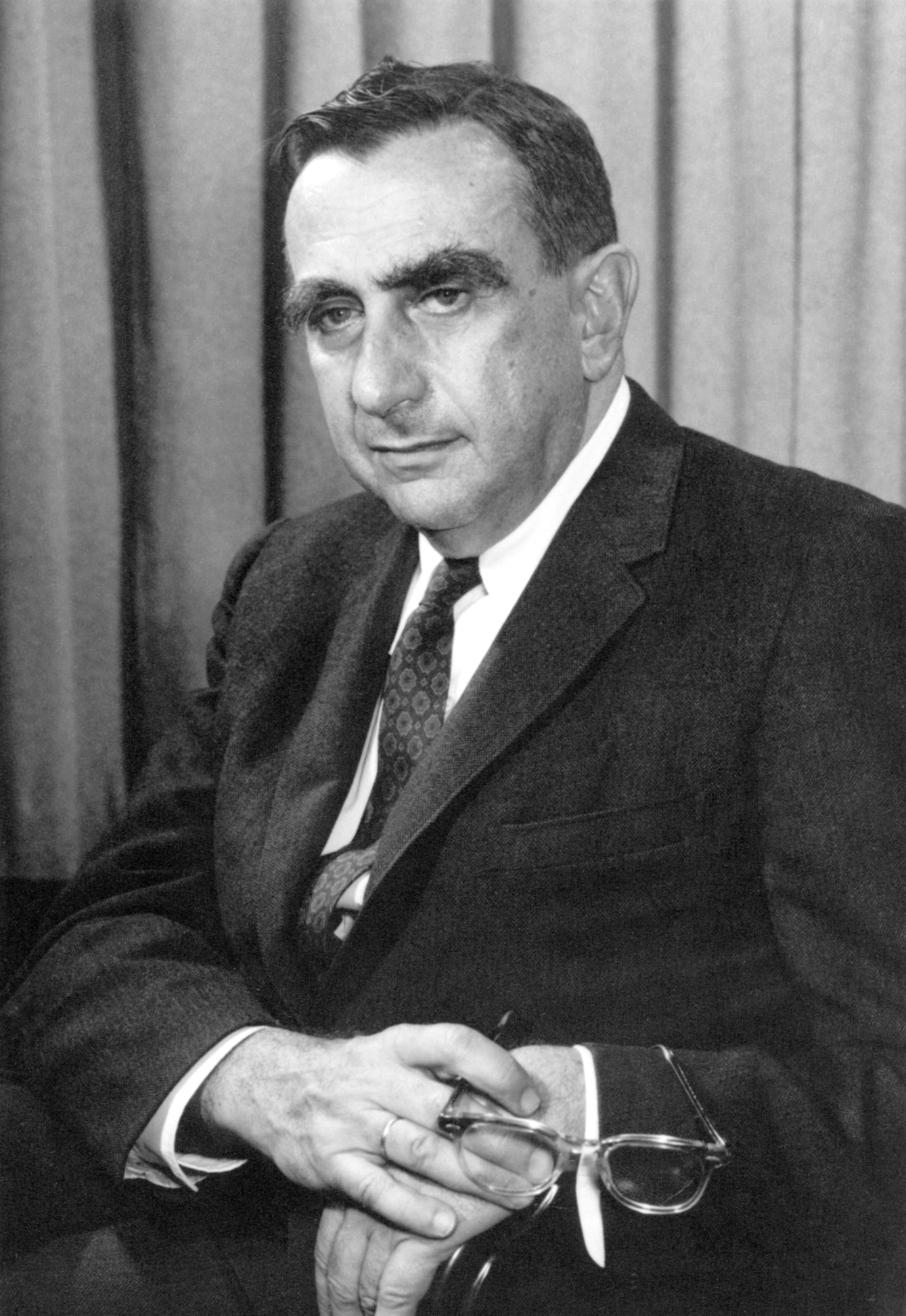
Edward Teller was an accomplished theoretical physicist, yet the public remembers him chiefly as the “father of the hydrogen bomb”. The label oversimplifies a collective achievement. The decisive design emerged especially from work by Teller and mathematician Stanisław Ulam, supported by many other scientists and engineers. His life links interwar European physics, escape from Nazism, the Manhattan Project, the Cold War and the problem of responsibility for technology.
From Budapest into the quantum revolution
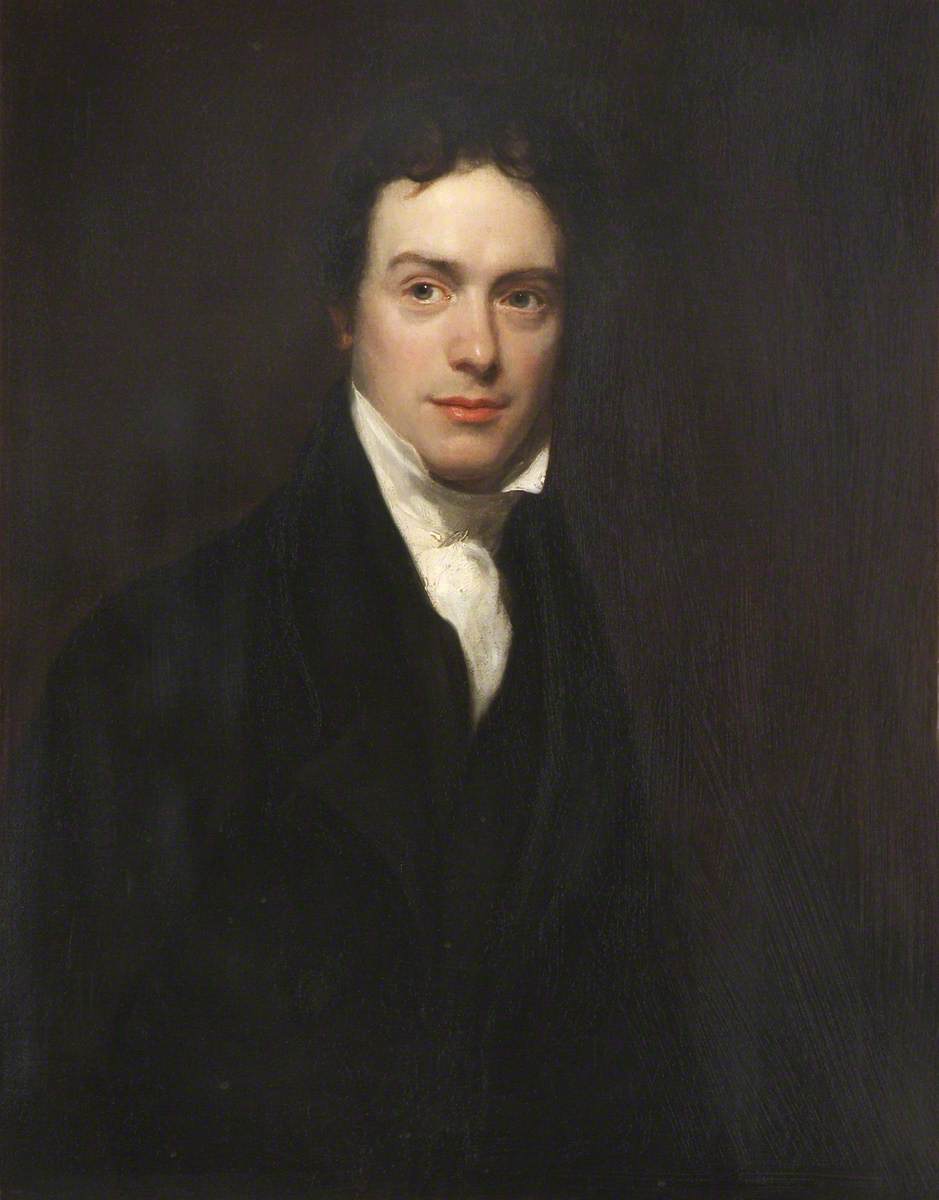
Teller was born on 15 January 1908 into an educated Jewish family in Budapest. He began in chemical engineering but moved towards quantum mechanics. A tram accident cost him part of his right foot, leaving him with a lifelong limp. He completed a doctorate under Werner Heisenberg in Leipzig in 1930 and belonged to the remarkable Hungarian generation that included John von Neumann, Leo Szilard and Eugene Wigner.
Flight from Nazism and America
After Hitler took power Teller left Germany, worked in the intellectual circle around Niels Bohr and moved to the United States in 1935. Before weapons work, he had already made important contributions to molecular physics. The Jahn–Teller effect still helps scientists understand why certain symmetric molecules and crystals distort. His experience of European dictatorship later shaped a severe view of national security.
Fission and the Manhattan Project
Nuclear fission can release neutrons that trigger further nuclei to split. A rapidly multiplying chain reaction can release destructive energy. The Manhattan Project was a vast industrial and scientific network: Oak Ridge enriched uranium, Hanford produced plutonium, and Los Alamos brought theory and engineering together. Teller arrived there in 1943 under scientific director Robert Oppenheimer.
Los Alamos and the “Super”
While Los Alamos concentrated on a fission bomb, Teller pursued a second question: could an atomic explosion create the extreme conditions needed for fusion, the process that powers stars? The early “classical Super” faced serious problems. Calculations suggested energy could escape before fusion propagated through the fuel. The episode shows the difference between an arresting concept, a viable physical model and a machine that engineers can actually build.
Trinity and the atomic age
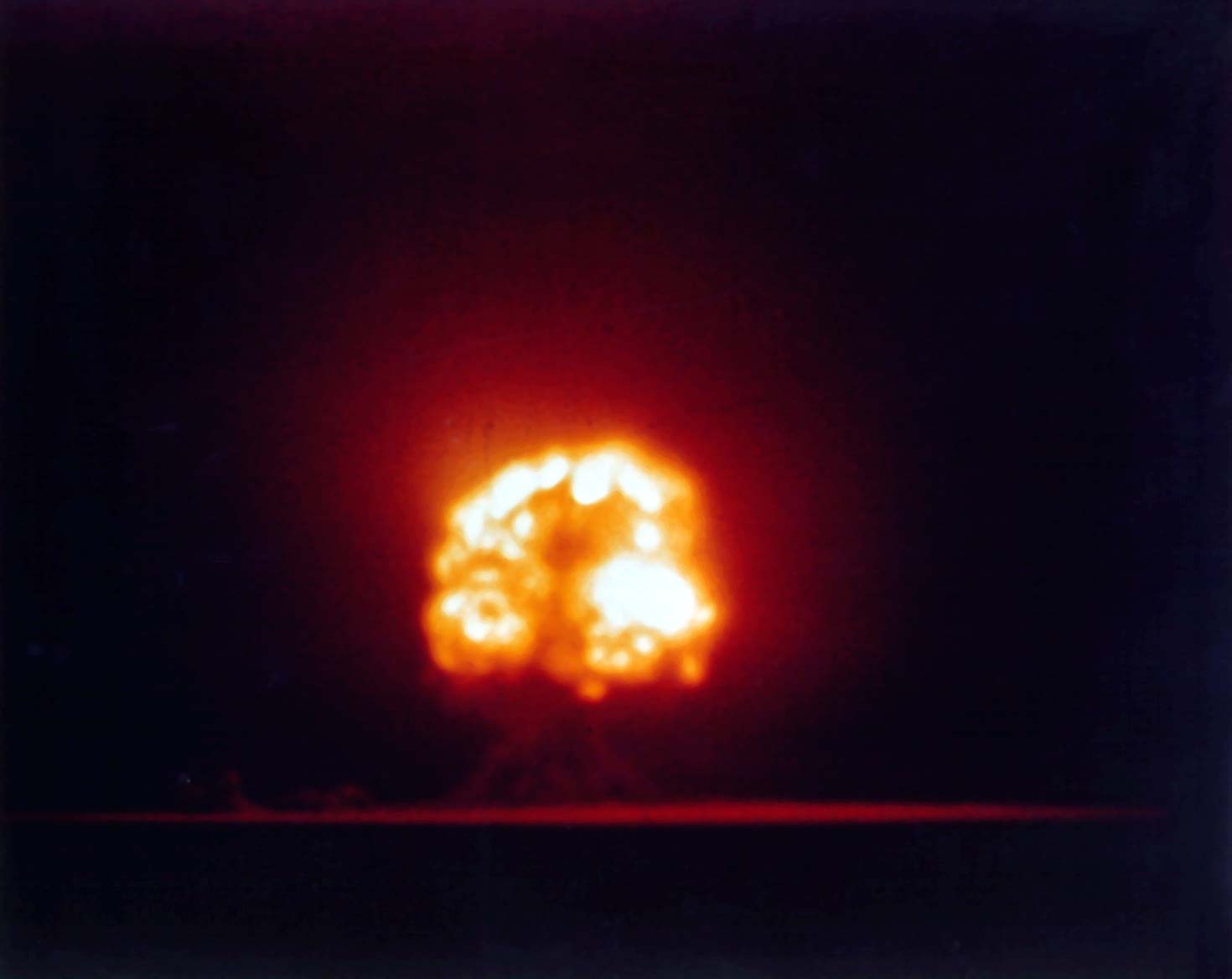
The first atomic bomb exploded at the Trinity test on 16 July 1945. Weeks later atomic bombs were used over Hiroshima and Nagasaki. After the war, some Manhattan Project scientists pressed for international control and limits on further weapons development. Teller argued that one side’s restraint would not remove danger if an adversary developed a stronger weapon. His fear grew from Nazism and Stalinism, but the same logic also drove the arms race.
National Nuclear Security Administration / Wikimedia Commons · Sources ↗ · Image terms ↗
The Soviet test and Truman’s decision
The Soviet Union tested its first atomic bomb in August 1949, ending the US monopoly. Oppenheimer’s General Advisory Committee opposed a crash programme for the “Super” on technical and moral grounds. President Harry Truman nevertheless directed continued work on all forms of atomic weapons, including the hydrogen bomb, on 31 January 1950. Political authority could fund the programme, but it could not make the flawed early design work.
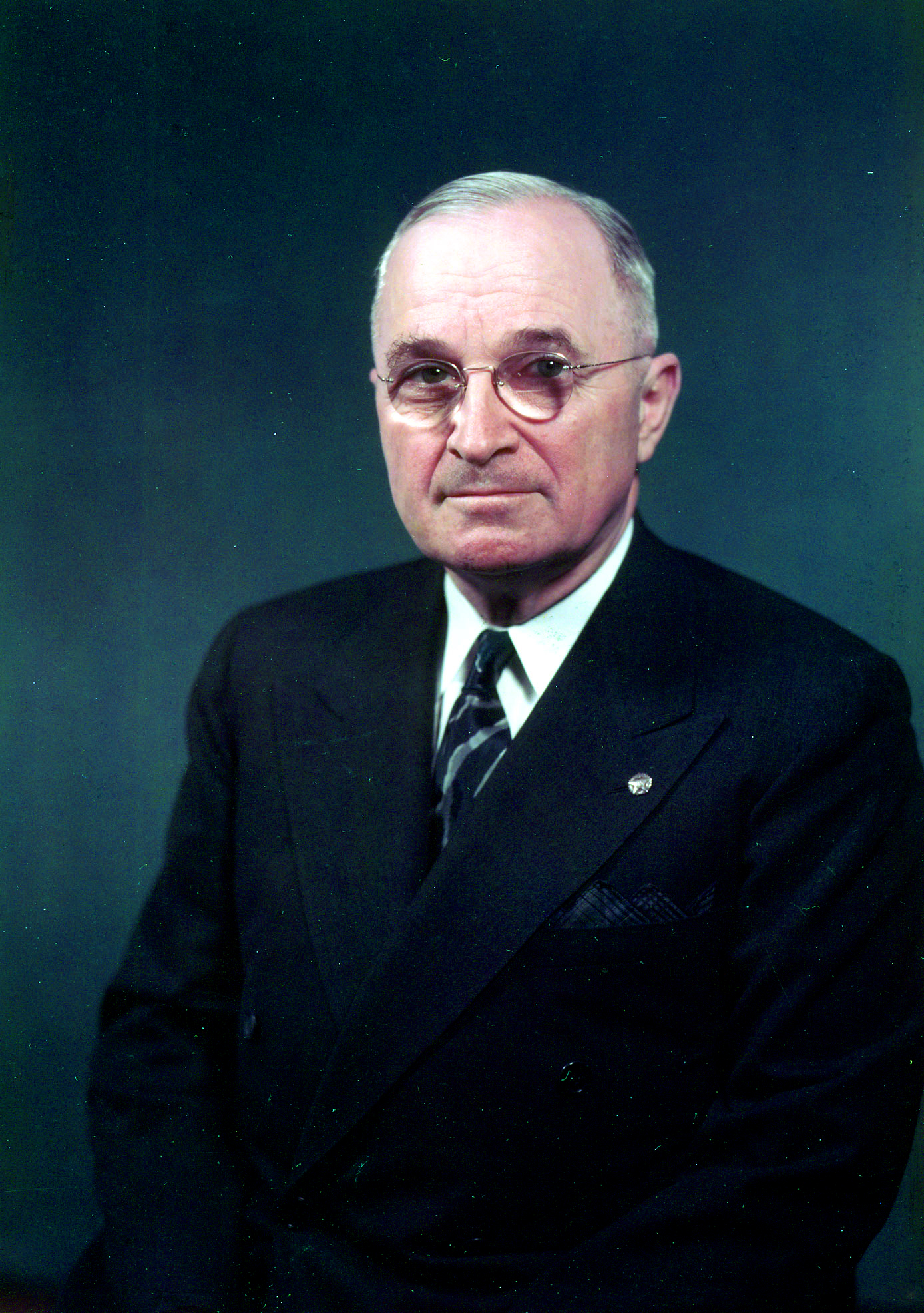
Harry S. Truman Library, NARA / Wikimedia Commons · Sources ↗ · Image terms ↗
Teller–Ulam and Ivy Mike
In 1951 Ulam proposed separating stages and using the initial explosion to compress a secondary component. Teller saw how radiation from the first stage could transfer energy and drive that implosion. The resulting Teller–Ulam concept was not one man’s invention. Ivy Mike, tested on 1 November 1952, yielded about 10.4 megatons. It was an enormous experimental apparatus using cryogenic liquid deuterium, not yet an aircraft-deliverable bomb, but it proved the principle.
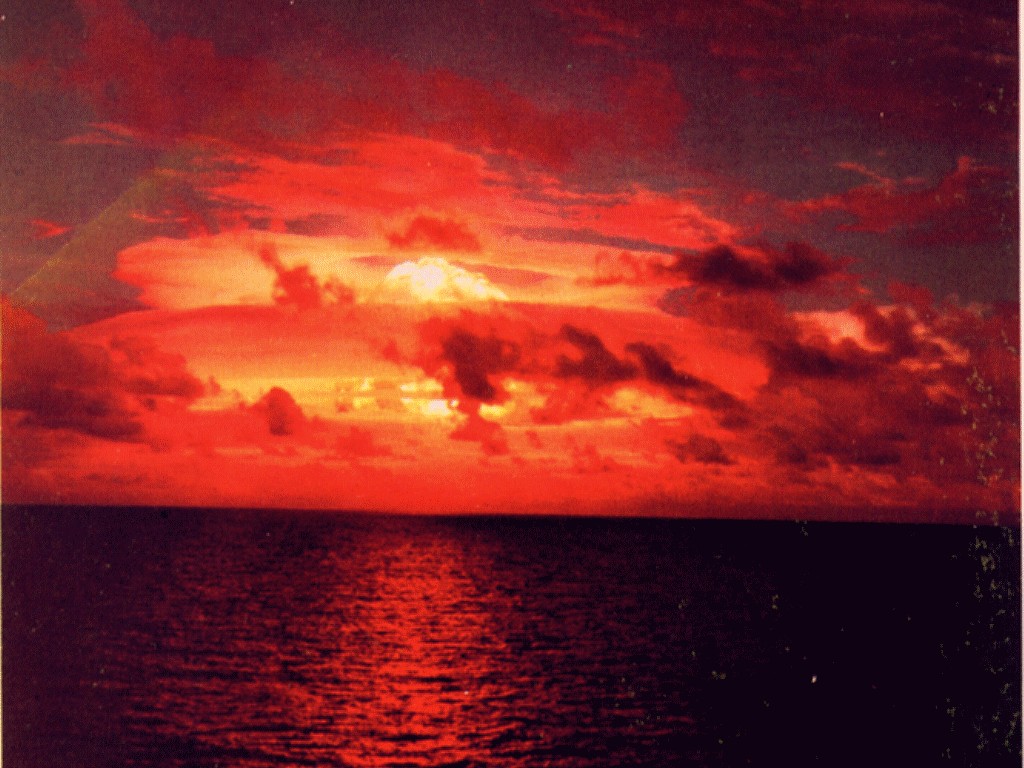
U.S. Atomic Energy Commission / Wikimedia Commons · Sources ↗ · Image terms ↗
The Oppenheimer hearing
At Oppenheimer’s 1954 security hearing, Teller did not call his former director a traitor and praised parts of his record. He nevertheless said he would feel more secure if vital interests were in hands he understood better and therefore trusted more. Oppenheimer lost his clearance, and many scientists regarded Teller’s testimony as a betrayal. The US Department of Energy vacated the politically tainted decision in 2022.
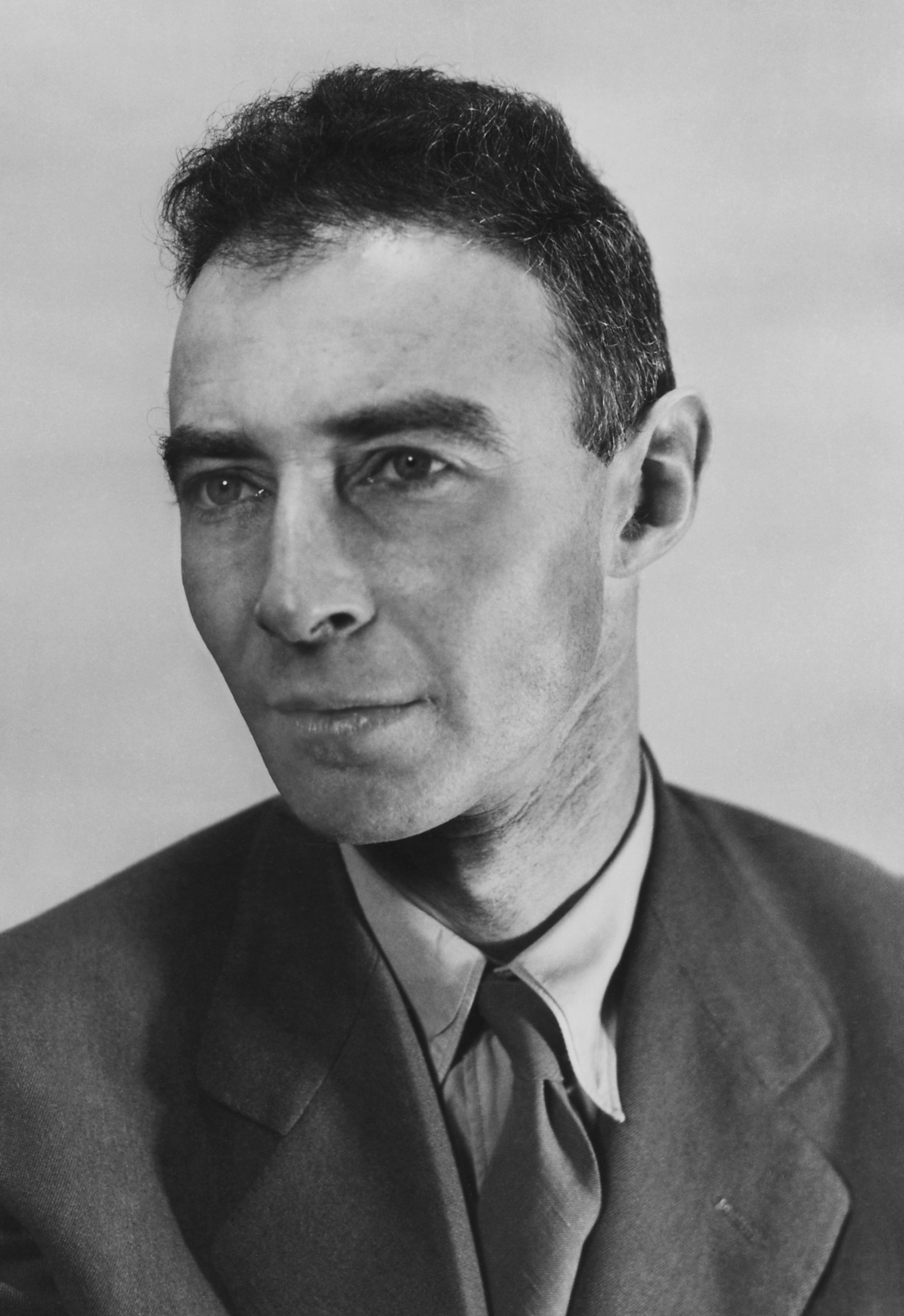
U.S. Department of Energy / Wikimedia Commons · Sources ↗ · Image terms ↗
Livermore and technological confidence
Teller and Ernest Lawrence championed a second weapons laboratory at Livermore. Teller served as its director from 1958 to 1960. He also supported Project Plowshare, which examined nuclear explosions for harbours, canals and underground engineering. Most proposals failed because radioactive contamination, cost, displacement and public opposition could not be treated as minor details outside the technical calculation.
Reagan and “Star Wars”
In the 1980s Teller backed President Ronald Reagan’s Strategic Defense Initiative. Sensors, interceptors and advanced energy systems were meant to destroy Soviet missiles before they reached their targets. Supporters hoped to reduce dependence on mutual destruction; critics pointed to cost, countermeasures and instability. Teller’s advocacy showed both the reach and the risk of using scientific prestige to support technology that was not yet proven at the promised scale.
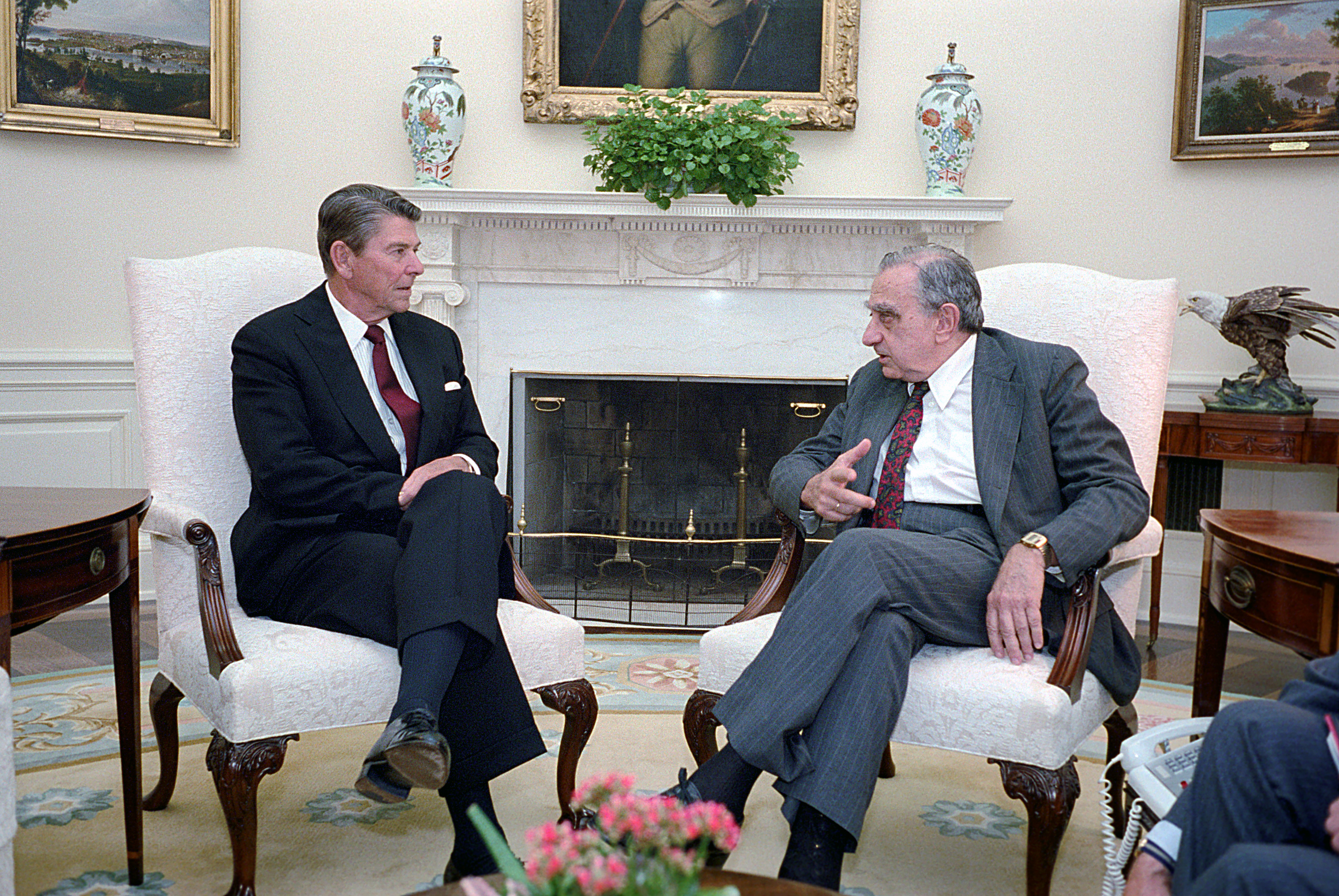
White House Photographic Collection, NARA / Wikimedia Commons · Sources ↗ · Image terms ↗
More than the bomb, and no simple verdict
Teller also contributed to molecular physics, spectroscopy, beta-decay theory and statistical mechanics. He died in California on 9 September 2003, months after receiving the Presidential Medal of Freedom. Admirers see a realist who understood totalitarian danger; critics see an enthusiast who deepened the arms race. Neither label is enough. A physical calculation may be correct while the decision to use it remains morally and politically contested.
Physics, consequences and responsibility
The distinction between fission and fusion matters. Fission splits a heavy nucleus, whereas fusion joins light nuclei. In both cases the products can have slightly less mass than the starting material, with the difference appearing as energy. In a , a fission explosion creates the temperature, pressure and radiation environment for a second stage. That is very different from controlled-fusion research, where the aim is to release energy gradually and safely rather than in an explosion. Shared physical principles do not make the devices, engineering problems or social purposes the same.
Teller worked inside institutions too large for any individual to design, calculate, manufacture and test a weapon alone. Theorists built models, experimental physicists measured materials, engineers designed instruments, and government agencies chose goals and budgets. Calling one person the “father” of a technology hides Ulam, laboratory teams, production workers and political decision makers. Yet collective work does not erase personal responsibility. Teller actively campaigned for programmes, advised presidents and used his scientific reputation in public arguments.
Atmospheric nuclear tests were not merely distant flashes above an empty ocean. They produced radioactive fallout, transformed island communities and exposed military personnel and civilians to risks they often had little power to evaluate. People of the Marshall Islands bore consequences from repeated great-power tests. A history told only through explosive yield in megatons leaves out bodies, land and long-term environmental damage. The engineering achievement and its human cost belong in the same account.
The Oppenheimer hearing reveals a different kind of power. A security clearance is not a scientific prize, but the process helped determine who could participate in national policy. Teller’s carefully worded testimony carried extra weight because he spoke as a prominent physicist with access to secret programmes. He did not decide the outcome alone, but his role shows how expert testimony operates in a setting where evidence, ideology, personal conflict and institutional loyalty are difficult to separate.
The fairest conclusion is therefore neither hero worship nor a simple villain story. Teller produced important science, recognised real dangers posed by dictatorships, and repeatedly placed great confidence in technological promises. His choices can be criticised without denying his achievements. That tension is useful for a young reader: science helps establish what can be done, but deciding what should be done, who benefits and who bears the risk also requires history, ethics, law and democratic debate.
Key terms
— a multistage nuclear weapon in which energy from an initial fission explosion creates the conditions for fusion reactions.