
An unusual auction lot
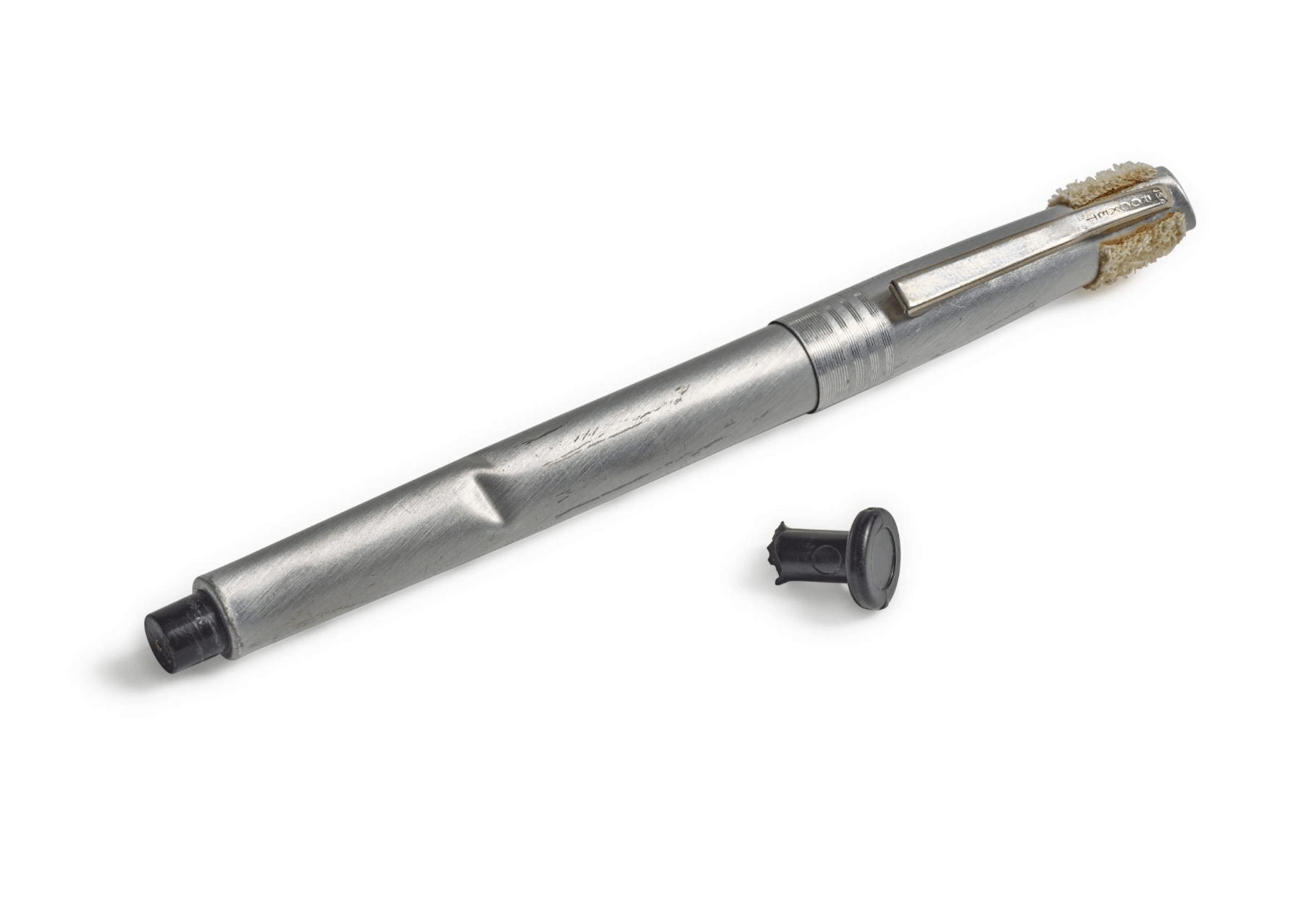
On 15 July 2026 Sotheby’s sold two objects from Buzz Aldrin’s collection: a Duro felt-tip marker and the broken plastic part of a from the lunar module Eagle. The lot fetched $857,600. Neither material is valuable by itself. Their significance comes from a tense episode at the end of humanity’s first lunar landing.
NASA / Neil Armstrong · Sources ↗ · Image terms ↗
Damage in a cramped cabin
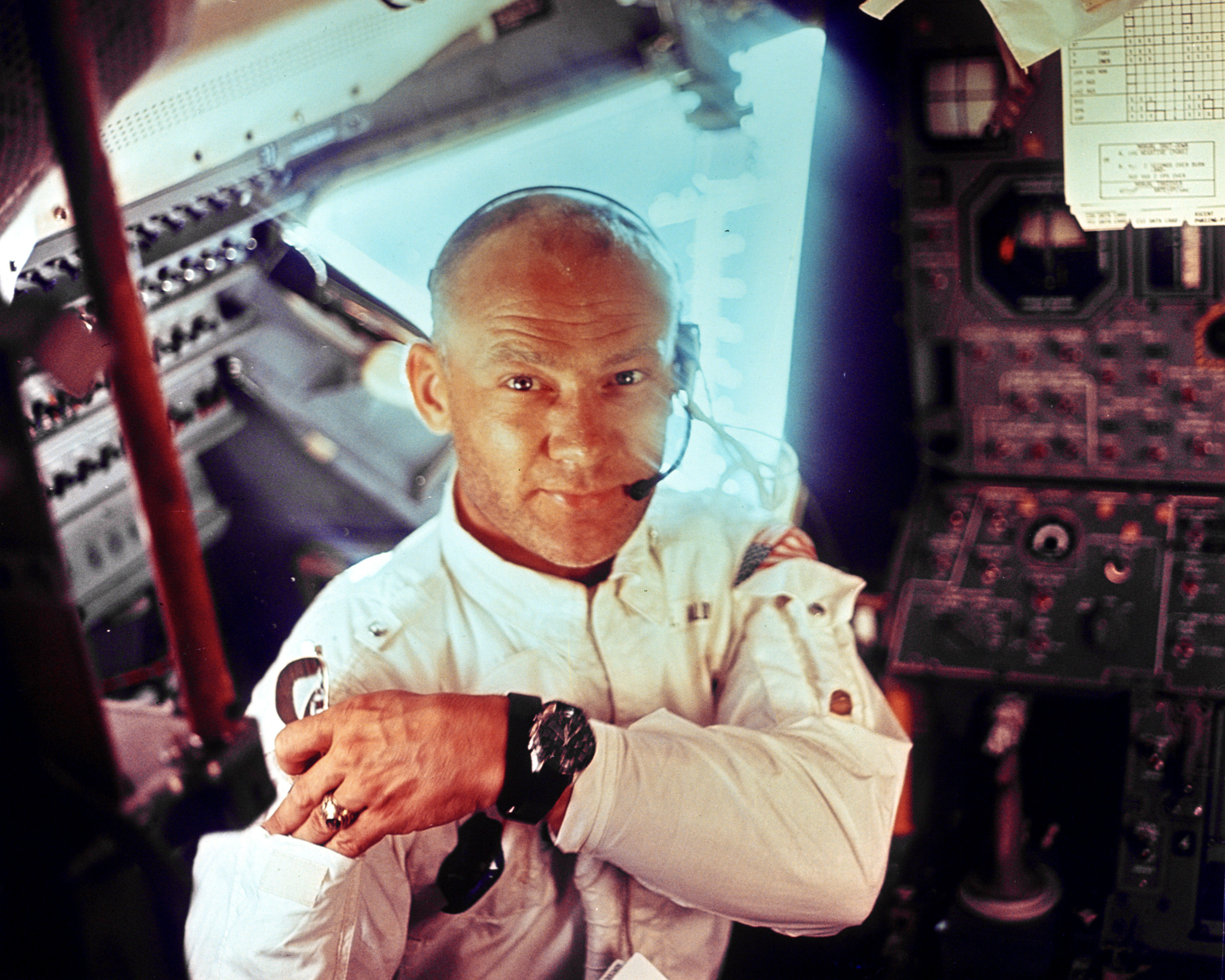
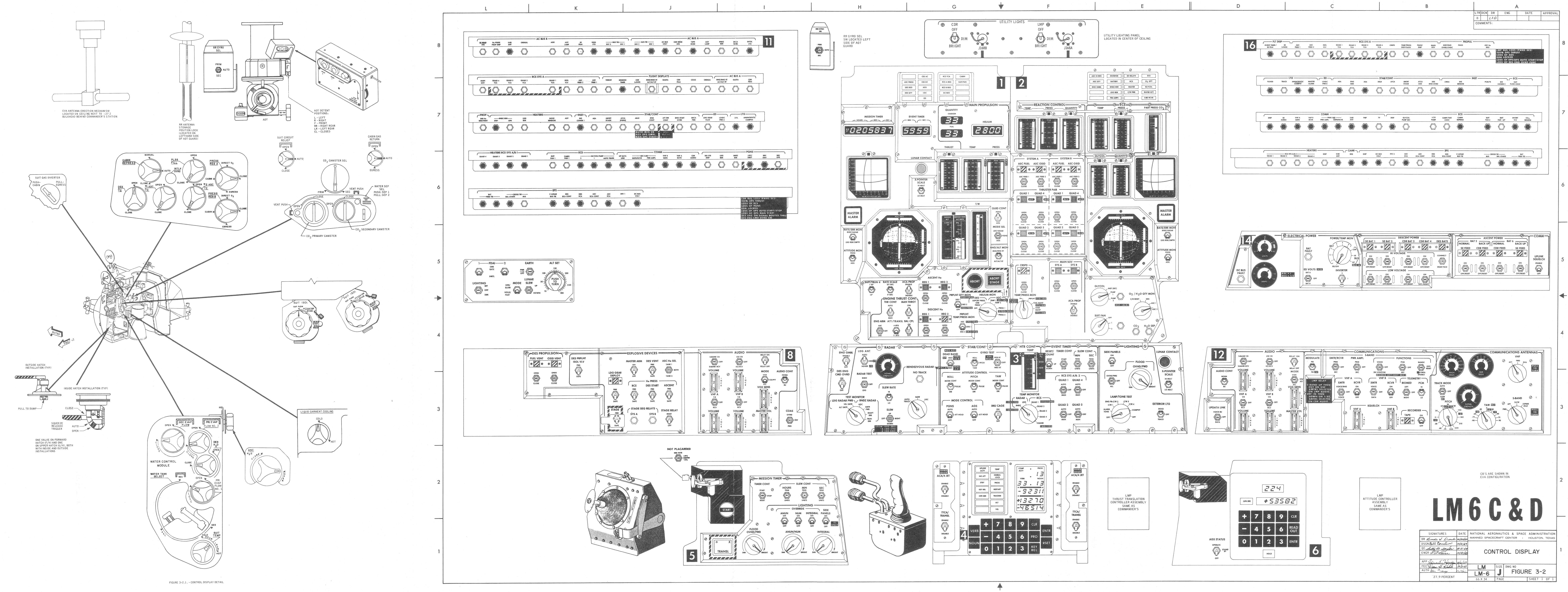
After their excursion on the Moon, Neil Armstrong and Buzz Aldrin noticed that the external cap of the ENG ARM had broken. later concluded that equipment worn by an astronaut had most likely struck the panel. Engineers reproduced the likely accident in a test and added guards for a subsequent mission. The astronauts reported the problem to Mission Control, which told them to leave the breaker open until the correct point in the departure procedure.
NASA / Wikimedia Commons · Sources ↗ · Image terms ↗
Why the breaker mattered
Eagle had a descent stage that remained on the surface and an ascent stage with a separate engine. The upper stage had to carry Armstrong and Aldrin back to lunar orbit, where Michael Collins waited in the command module. The broken cap did not mean the engine itself had failed. It made the required electrical configuration difficult to set using the normal hand control. There was no spare ascent engine.
What Aldrin actually did
Aldrin found that the tip of a marker could reach the mechanism left inside the opening. He used it to press the existing breaker into its required position. The marker did not bridge wires or become a new electrical switch. Nor was it the well-known Fisher Space Pen often mentioned in retellings. Mission Control used telemetry to check the electrical state before launch. The precise mechanism is more interesting than the oversimplified legend.
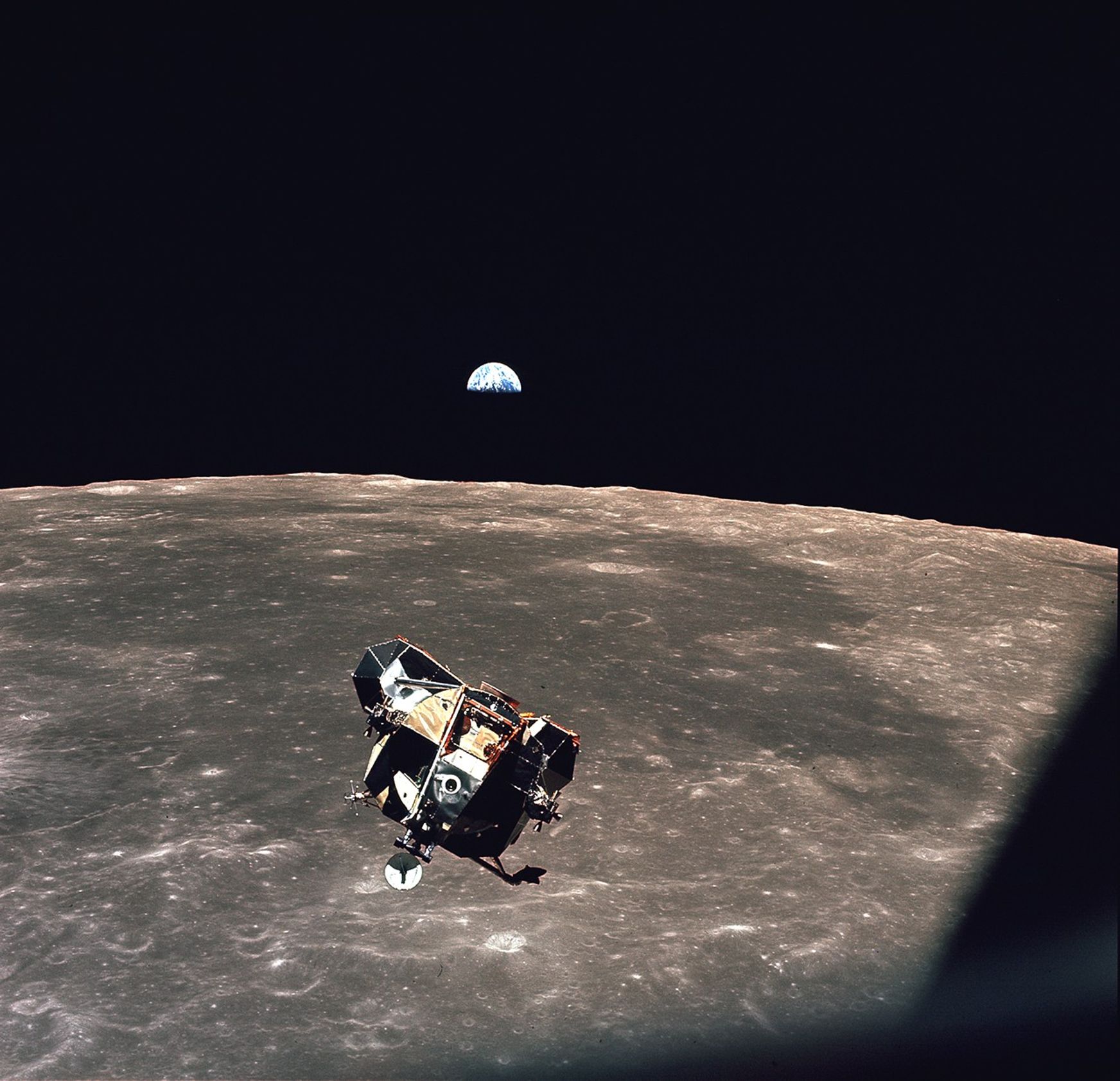
NASA / Michael Collins · Sources ↗ · Image terms ↗
Eagle flies again
The ascent stage lifted off successfully and later docked with Collins’s spacecraft. Had Eagle been unable to depart, the two astronauts on the surface would have faced the immediate danger; Collins was already in orbit. We cannot prove that no other improvised solution could have worked. We can say that the damage was real, Aldrin used the marker, and the breaker was successfully closed when needed.
A small object and a strong record
’s mission report records the broken knob and the successful breaker operation. Sotheby’s documents the objects and their provenance, while the auction result gives the sale price. Those records separate the event from later embellishments. Even a program involving thousands of engineers and extraordinary machines depended, at a crucial moment, on a careful human improvisation inside a very small cabin.
Key terms
— a device that opens or closes an electrical circuit; here the external piece used to operate it had broken.