
Why methane?
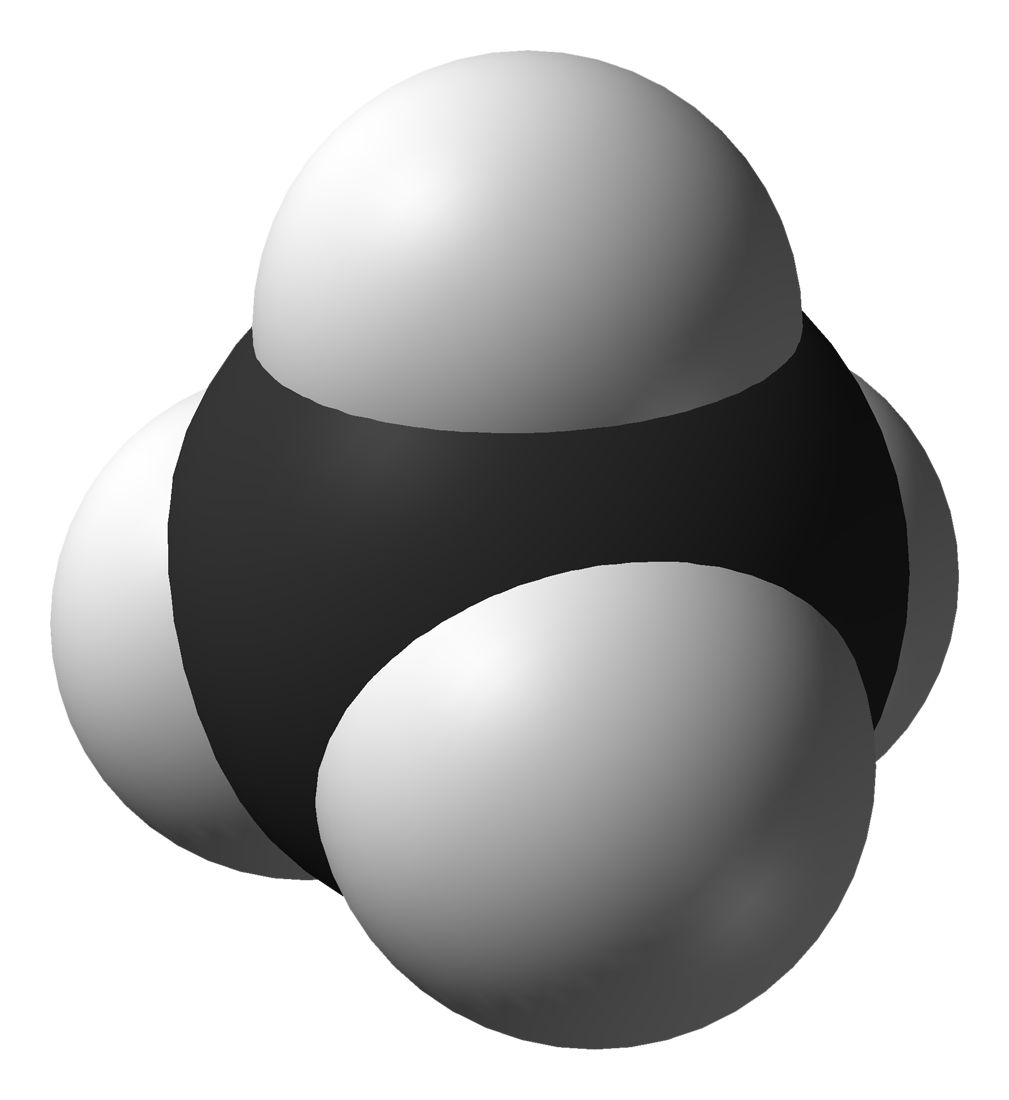
Methane, CH₄, occurs naturally when microorganisms break down organic matter in oxygen-poor places such as waterlogged soil. Human activities, including fossil fuel extraction, livestock farming and waste disposal, add more of it. Methane remains in the atmosphere for a shorter period than carbon dioxide, but it strongly absorbs infrared radiation. Understanding both its sources and the processes that remove it is therefore important for climate science.
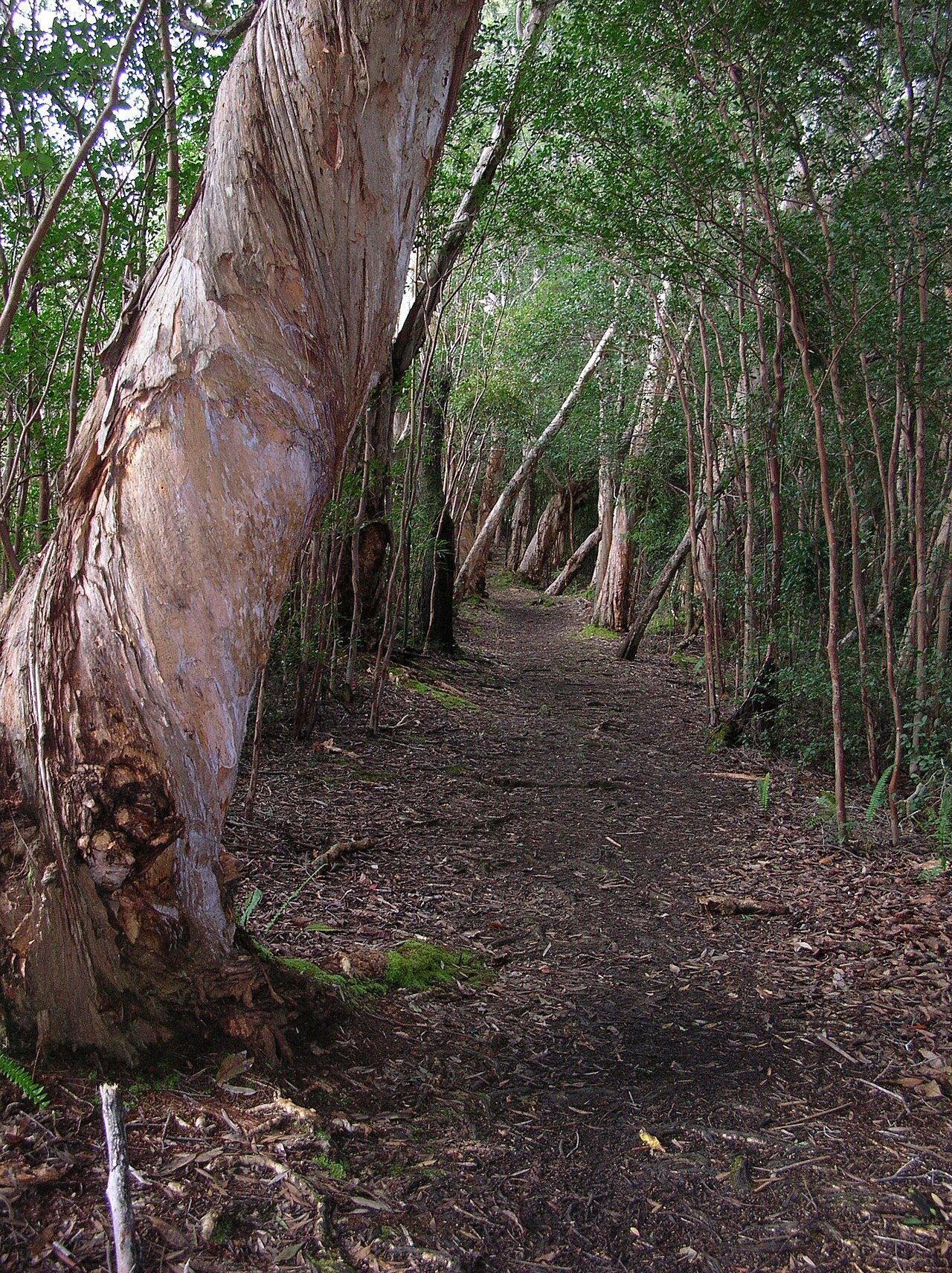
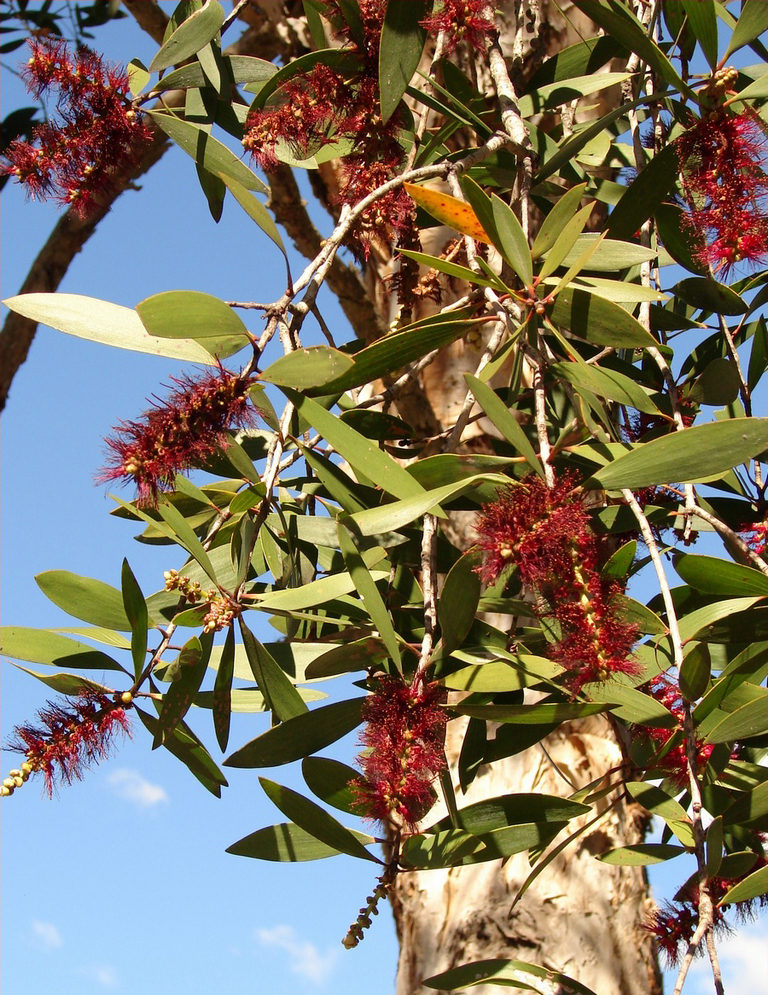
A tree growing in a wetland does more than take in carbon dioxide and release oxygen. Gases in the soil can move through spaces inside the tree and leave through its stem. A measurement at the soil surface alone can miss this route: some methane bypasses the soil surface and emerges at the bark. Earlier work on melaleuca, often called paperbark, found that less methane left the stem than had entered it from the soil. That was a clue that something was happening on its way to the air.
Ben Mills / Wikimedia Commons · Sources ↗ · Image terms ↗
Bark is not an inert covering
The surface and cracks of bark contain moisture, nutrients and tiny spaces with different amounts of oxygen. Bacteria and other microbes can live in this varied environment. Some use methane as a source of carbon and energy. Other microbes use hydrogen or carbon monoxide. Together they form a bark microbiome, but its composition differs among tree species and even between parts of the same stem.
Researchers from Monash and Southern Cross universities examined bark from eight common Australian tree species. One part of their work was : reading from whole microbial communities. They looked for genes and enzymes associated with the use of particular gases. A gene indicates what a community may be capable of doing, but its presence alone does not prove that the activity happens in a forest. The researchers therefore also needed to measure actual gas consumption.
In laboratory tests with pieces of bark, the team followed changing concentrations of methane, hydrogen and carbon monoxide. When oxygen was present, microbial communities consumed those gases. The researchers then measured gas exchange on living trees under field conditions. Combining evidence, experiments and field measurements strengthens the conclusion that bark microbes are active participants in gas cycles, rather than accidental passengers.
The same ecosystem can consume and produce gas
This is the part that a short headline can easily miss. In experiments without oxygen, production of some of the same gases could dominate. Bark may harbour both microbes that consume methane and microbes that generate it. The final movement of gas depends on how much methane arrives from the soil, how oxygen enters the bark, moisture, temperature and the community's composition. It would be wrong to say that every tree absorbs methane at every moment.
Imagine a wet trunk after rain. Water can fill small pores and make it harder for oxygen to pass through. Drier, more porous bark elsewhere may behave differently. Methane may be consumed on one part of a tree while escaping into the air from another. Scientists distinguish gross processes, the amounts made and used, from the that an instrument records at the surface. A low net emission does not necessarily mean no methane was produced.
Tatiana Gerus / Wikimedia Commons · Sources ↗ · Image terms ↗
What do hydrogen and carbon monoxide have to do with climate?
Methane is a greenhouse gas with a direct warming effect. Hydrogen and carbon monoxide matter here mainly indirectly. In the atmosphere they take part in reactions that influence the availability of hydroxyl radicals, which help break methane down. If fewer radicals remain available to react with methane, it may persist longer. Measuring methane alone therefore misses part of the possible climate role of bark microbes. The global size of this indirect effect, however, needs separate assessment; it cannot be calculated from a photograph of a forest or one local measurement.
News reports mention very large estimates of the total bark surface of the world's trees and the methane they might remove each year. Such figures are interesting, but they are extrapolations. Researchers must assume how much bark exists and how active its microbes are across different forests. A study of eight Australian species does not yield a universal number for every forest on Earth. Better estimates require observations in tropical, temperate, dry and cold regions through different seasons.
Does this change how we plant forests?
One day, the properties of a bark microbiome might be considered alongside growth, resilience, water use and a tree's ecological role. The researchers raise that possibility. But the present evidence does not support a simple rule to “plant the species that eats the most methane”. The same species can host different microbes in different places, while wetland soils may themselves release much methane. Tree planting must also suit local ecosystems, biodiversity and the people who depend on them.
Nor does the finding reduce the need to cut emissions from fossil fuels, livestock and waste. Bark microbes might offset a portion of gases, but they cannot replace preventing emissions in the first place. Their immediate scientific value is that they draw attention to something often overlooked: what happens along the route from soil to air?
How could students think like researchers?
A simple-sounding question is: “Does a trunk absorb methane or release it?” Answering it would require measurements at several heights over many days, alongside moisture, temperature and oxygen. We would compare tree species and control samples, and test whether microbial genes correspond to measured gas use. A reliable picture emerges from several independent kinds of evidence, rather than one surprising observation.
Key terms
— a microorganism that uses methane; — study of genetic material from an entire community; — lack of available oxygen; — the difference between gas production and consumption.