

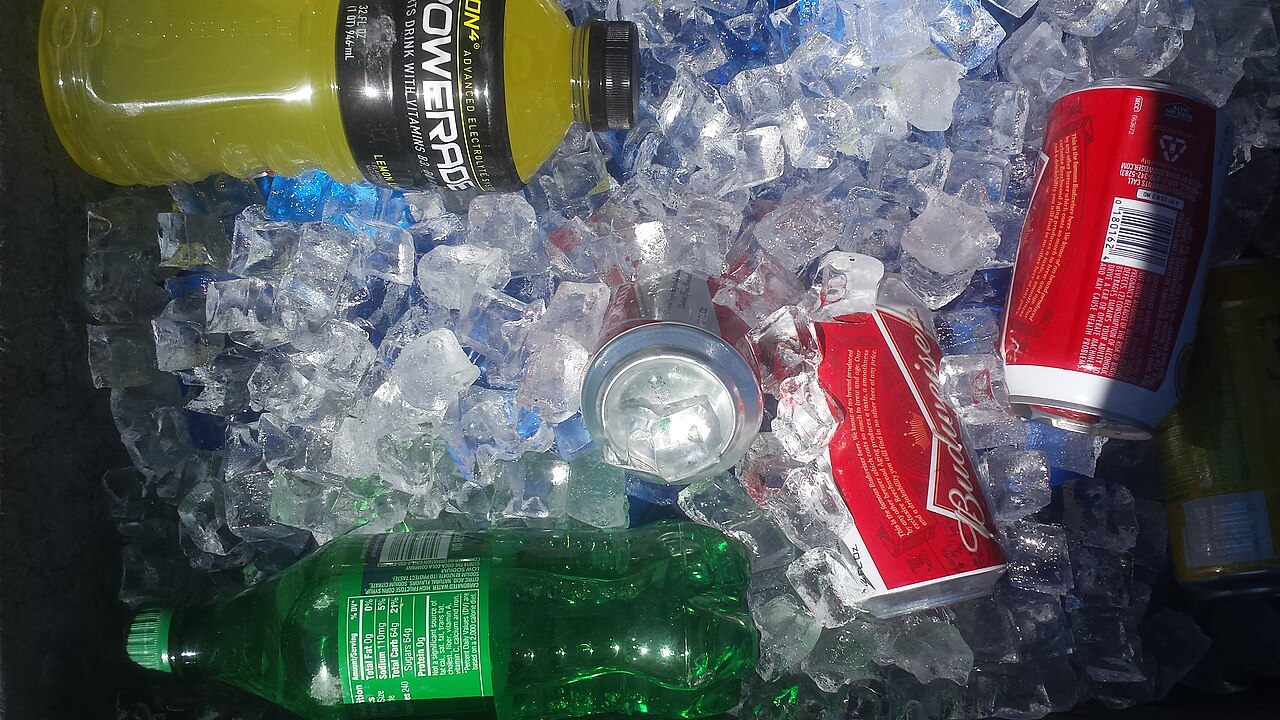
Start the night before
A warm cooler makes ice spend energy cooling the box itself. Pre-chill it with frozen bottles, discard meltwater, then add fresh cold sources.
Chill the contents too. Room-temperature cans and warm food transfer substantial energy to ice; frozen bottles cool first and become drinking water later.
The physics of melting ice
Heat flows into colder ice. Melting requires substantial energy without raising temperature, making ice an effective thermal reservoir. A large block melts more slowly because it has less surface area.
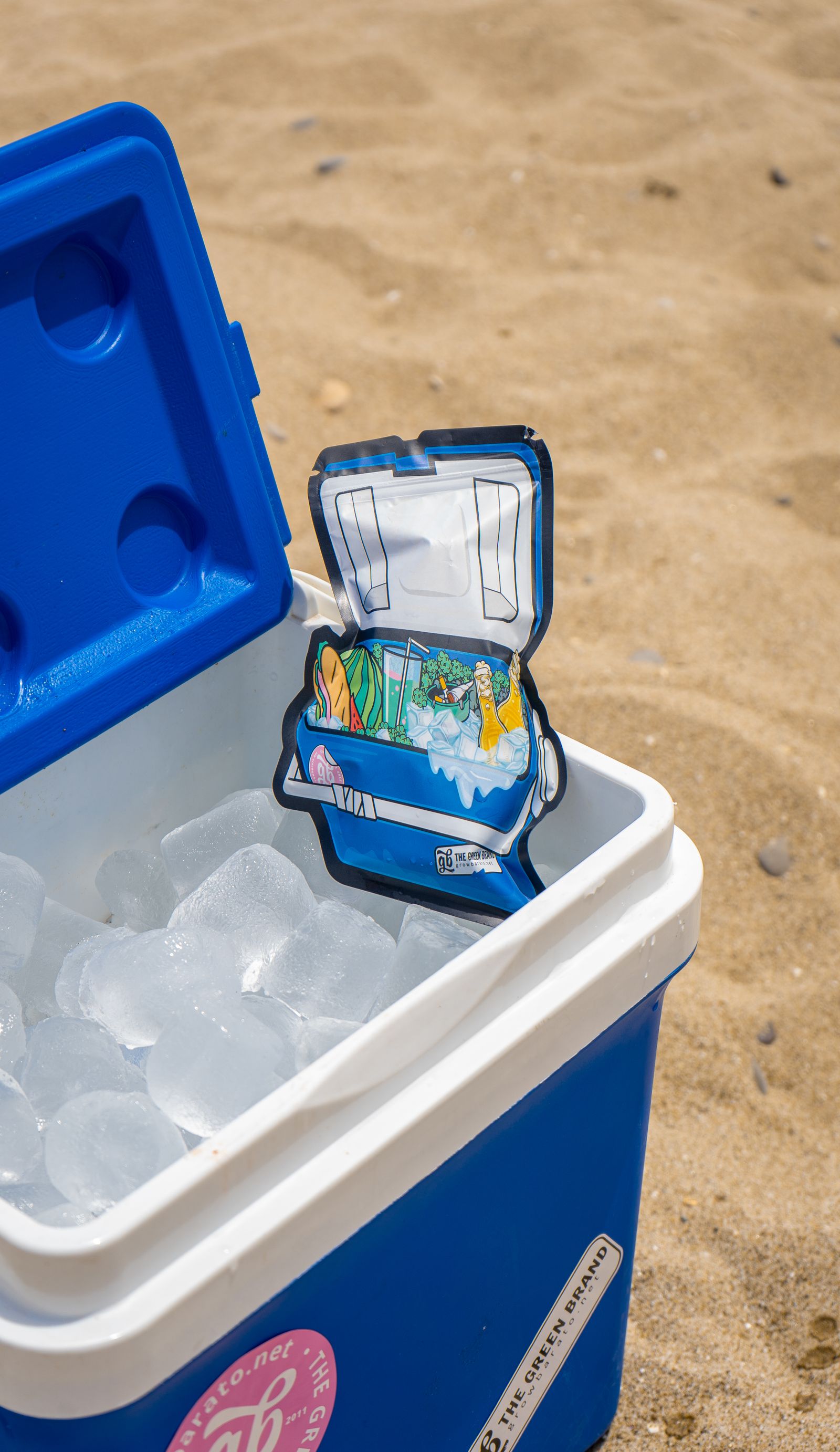
Cubes fill gaps, so combine a block or bottles at the bottom and sides with cubes between containers.
GB The Green Brand / Pexels · Sources ↗ · Image terms ↗
Packing order
Place items needed last at the bottom. Raw meat must be sealed below ready-to-eat food. Fill gaps with ice.
Put the first meal and another cold source near the top. guidance recommends at least two cold sources around perishable lunch food.
A full cooler performs better
Air gaps are replaced by warm air whenever the lid opens. Dense packing adds cold mass; fill spare space with frozen bottles without preventing a good seal.
Insulation, total cold mass, contact and opening frequency matter more than a rigid “ice only on top” rule.
Separate drinks and food
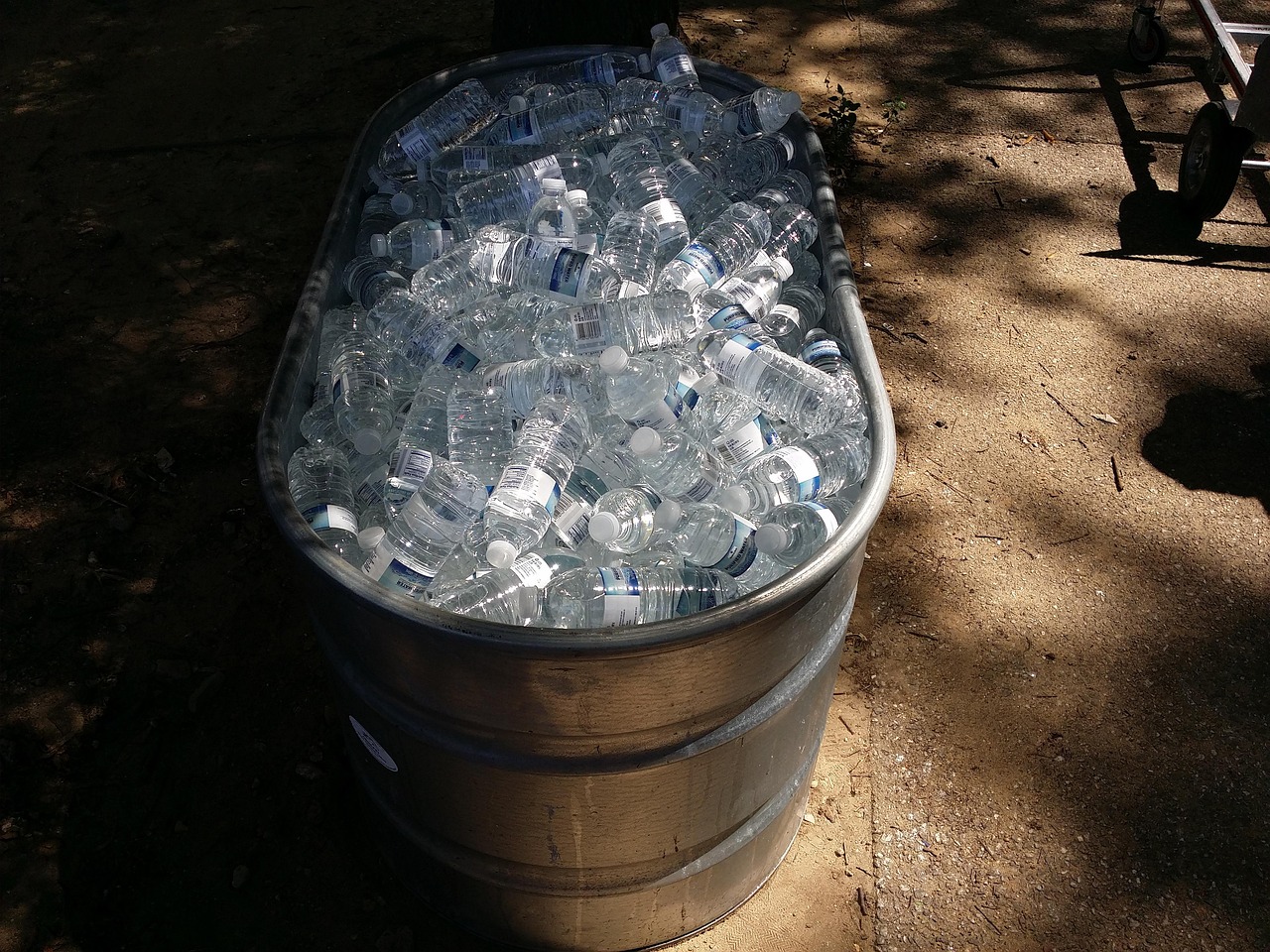
A drink cooler is opened more often, so recommends separate boxes for drinks and perishables. With one box, group drinks in an accessible section.
Meltwater can cool cans, but food packaging must be watertight. Never drink cooler water.
BruceEmmerling / Pixabay · Sources ↗ · Image terms ↗
Measure temperature
Keep perishable food at about 4 °C or below and use a small thermometer. Bacteria grow quickly in the approximate 4–60 °C danger zone.
uses a two-hour limit outside safe cooling, reduced to one hour above roughly 32 °C. Smell and taste cannot prove safety.
At the destination and afterwards
Keep the cooler shaded, off hot sand or asphalt, and open it briefly.
Drain, wash, rinse and dry it with the lid open. Planning, enough ice and a thermometer matter more than expensive accessories.
Key terms
— energy ice absorbs while changing into water without a temperature rise. — transfer of microorganisms from raw food to ready-to-eat food.