

Science news
Source-checked news with clear publication dates.
 Space
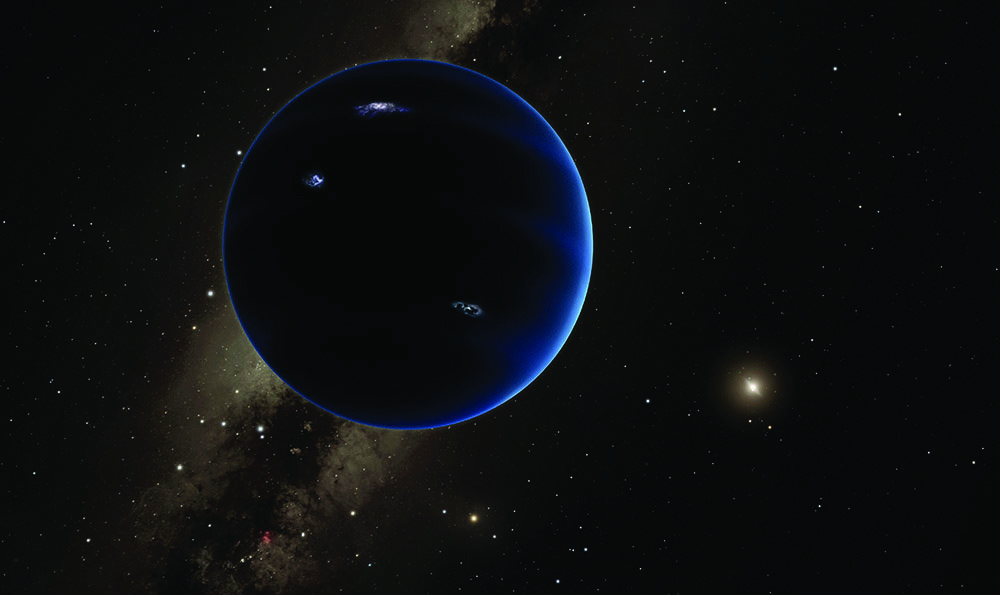
SpaceThe search for Planet Nine
The full feature is currently published in Serbian. This page summarises its verified findings.
 Living world
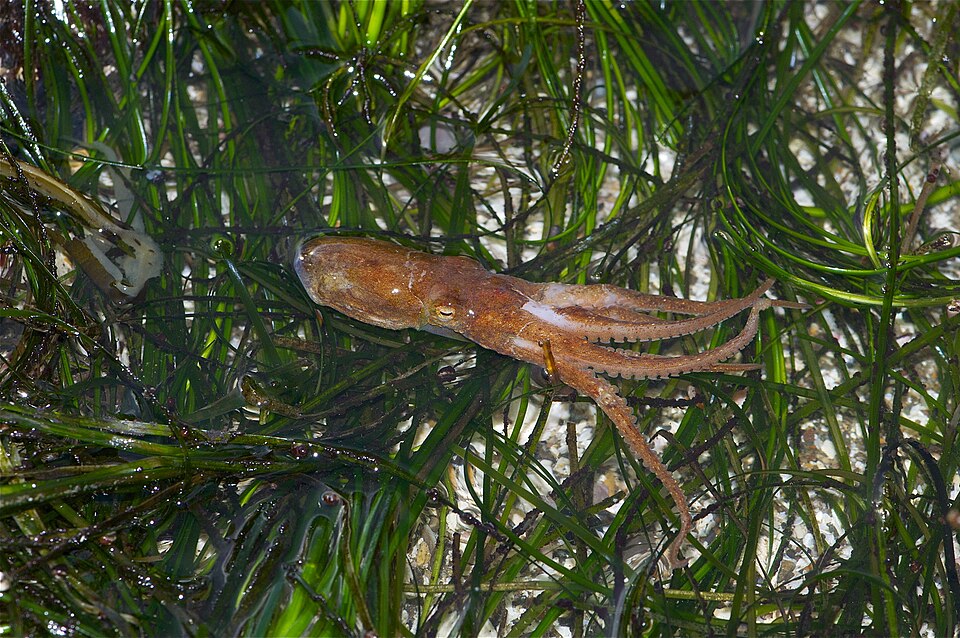
An octopus at the mirror: can a reflection show where prey is?
Three California two-spot octopuses learned to use a mirror to find a place they could not see directly. The experiment reveals a spatial skill, but does not show that they recognized themselves.
 Space
SpaceA wobbling asteroid: what Lucy learned about Donaldjohanson
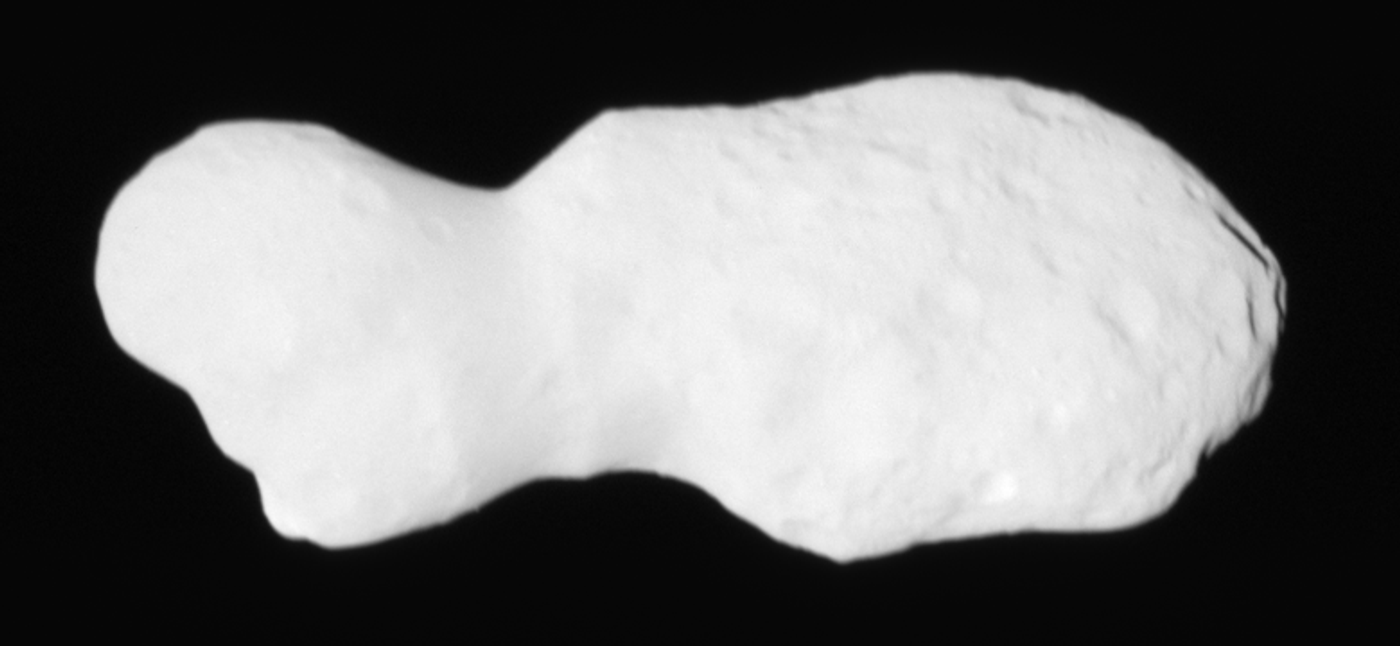
In images from NASA's Lucy spacecraft, asteroid Donaldjohanson looks like an elongated peanut: two uneven lobes joined by a narrow neck. Its shape is only the beginning of the story. An analysis published in June 2026 shows that the roughly eight-kilometre body does not simply turn around one steady axis; it slowly tumbles. Its surface also preserves chemical evidence of contact with liquid water, probably from a time before the present asteroid formed. How can a spacecraft discover all this during a brief flyby?
 Technology
Headphones that pick one voice out of a noisy room
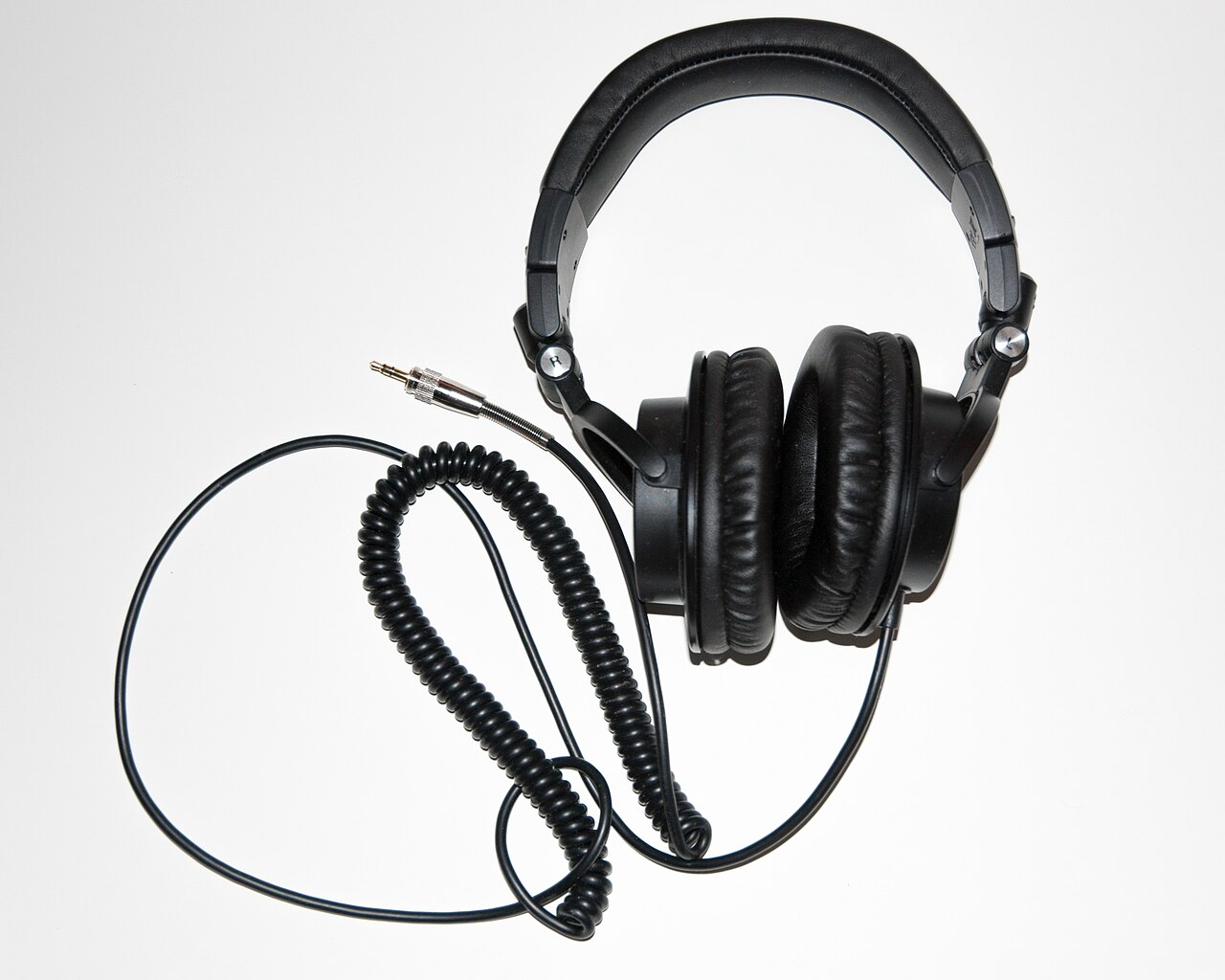
In a café, voices overlap with clattering dishes and music. Someone across the table starts speaking, but you catch only a few words. Our brains can often focus on a familiar voice, yet this is difficult in a crowded room. Researchers at the University of Washington presented a headphone prototype in 2024 that lets a user choose a speaker: turn towards that person, press a button, and hear their speech more clearly even as both people move.
 Living world
The unseen residents of tree bark: how microbes change the path of methane
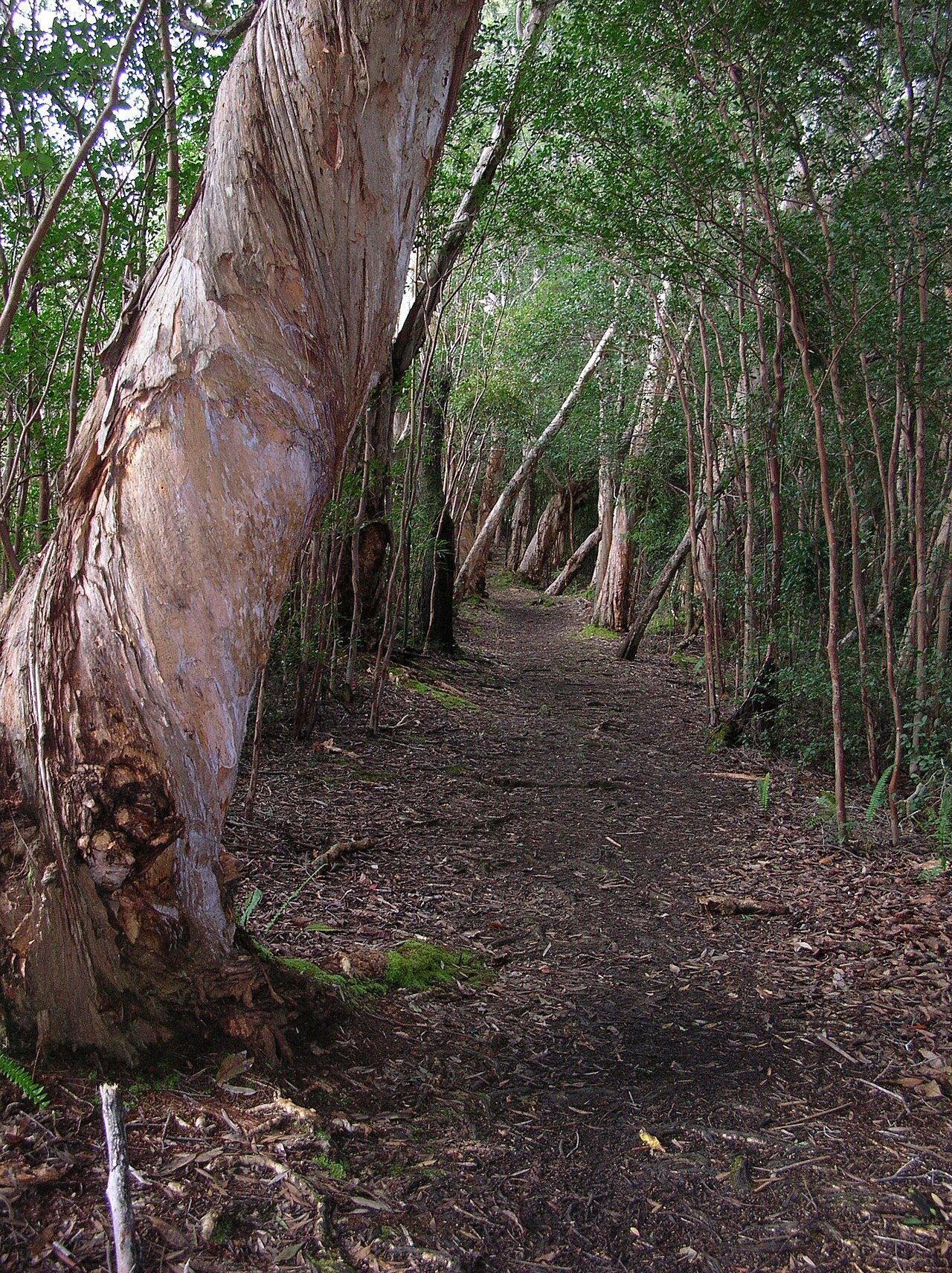
When we look at a tree, we usually think of leaves taking up carbon dioxide through photosynthesis. Researchers have looked at the bark as well. It houses communities of microorganisms that use gases moving through the trunk or arriving from the air. An Australian team reported in 2026 that, when oxygen is available, these microbes can consume methane, hydrogen and carbon monoxide. A tree is therefore also a habitat whose inhabitants affect the exchange of gases between soil and atmosphere.
 Psychology
How does the brain change as we learn? What neuroplasticity really means
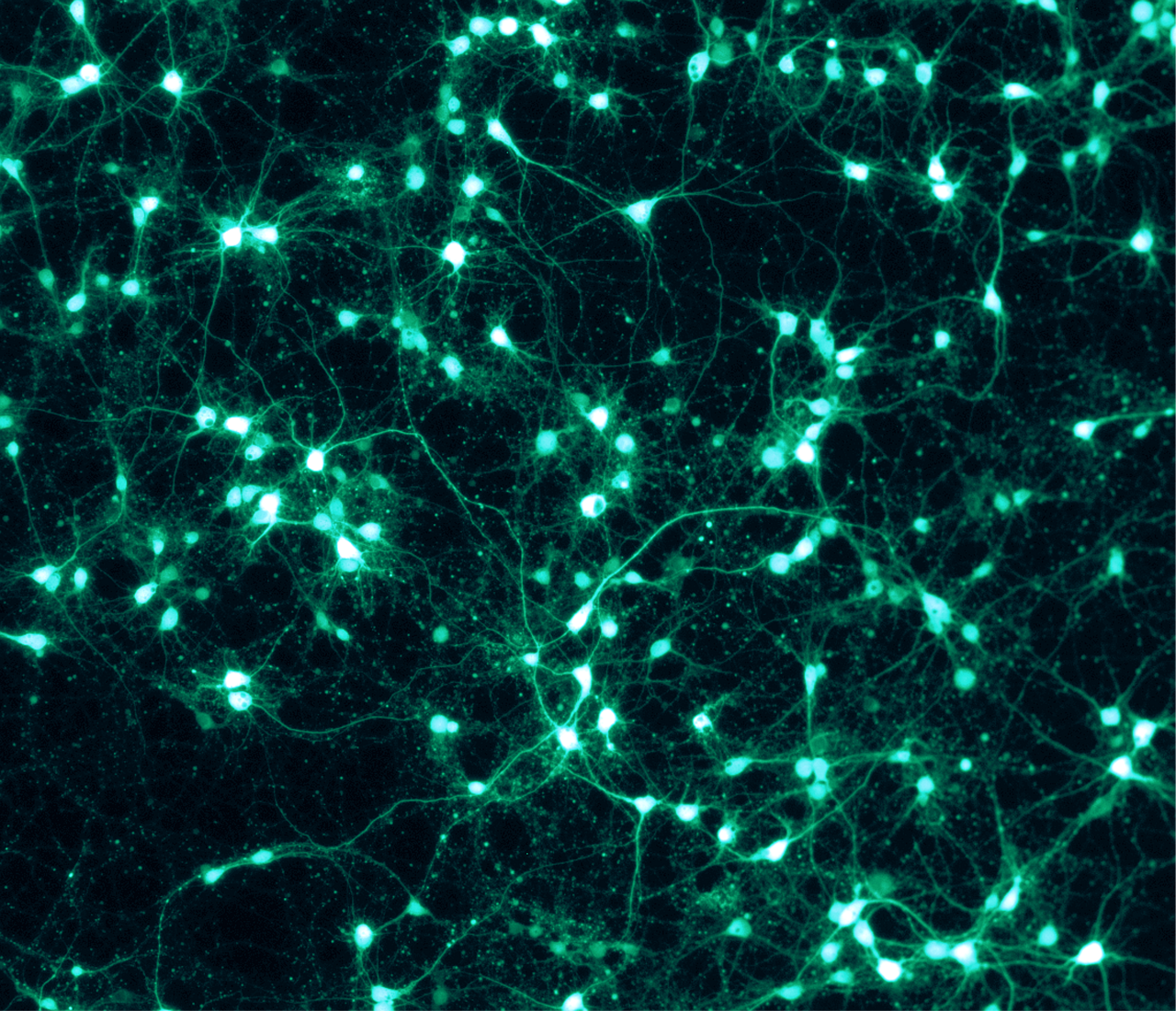
When we first try to play a melody, solve a physics problem or speak a sentence in a new language, the task is slow and demands attention. Practice makes it easier. That change is more than a feeling: experience affects how nerve cells communicate and how whole networks take part in a task. We call this capacity neuroplasticity. It remains with us throughout life, although its form and extent depend on age, brain region and the skill involved.
 Psychology
Can a sound we cannot hear affect our mood?
A faint vibration runs through an old building's ventilation system. We cannot clearly hear it, yet the space feels uncomfortable. Is that only expectation, or can very low frequencies affect experience? A small laboratory study published in 2026 found links between infrasound exposure, irritability, ratings of music and cortisol levels. The finding is intriguing, but it does not prove that “haunted houses” have an acoustic explanation.
 Psychology
How much can we trust an eyewitness's memory?
A witness sincerely says they are certain about the face they saw. Is that enough? Research shows that memories can change when new information arrives after an event. Yet a carefully conducted first identification can still be useful evidence. The crucial questions are what the witness had a chance to see and what happened before they first identified a suspect.
 Technology
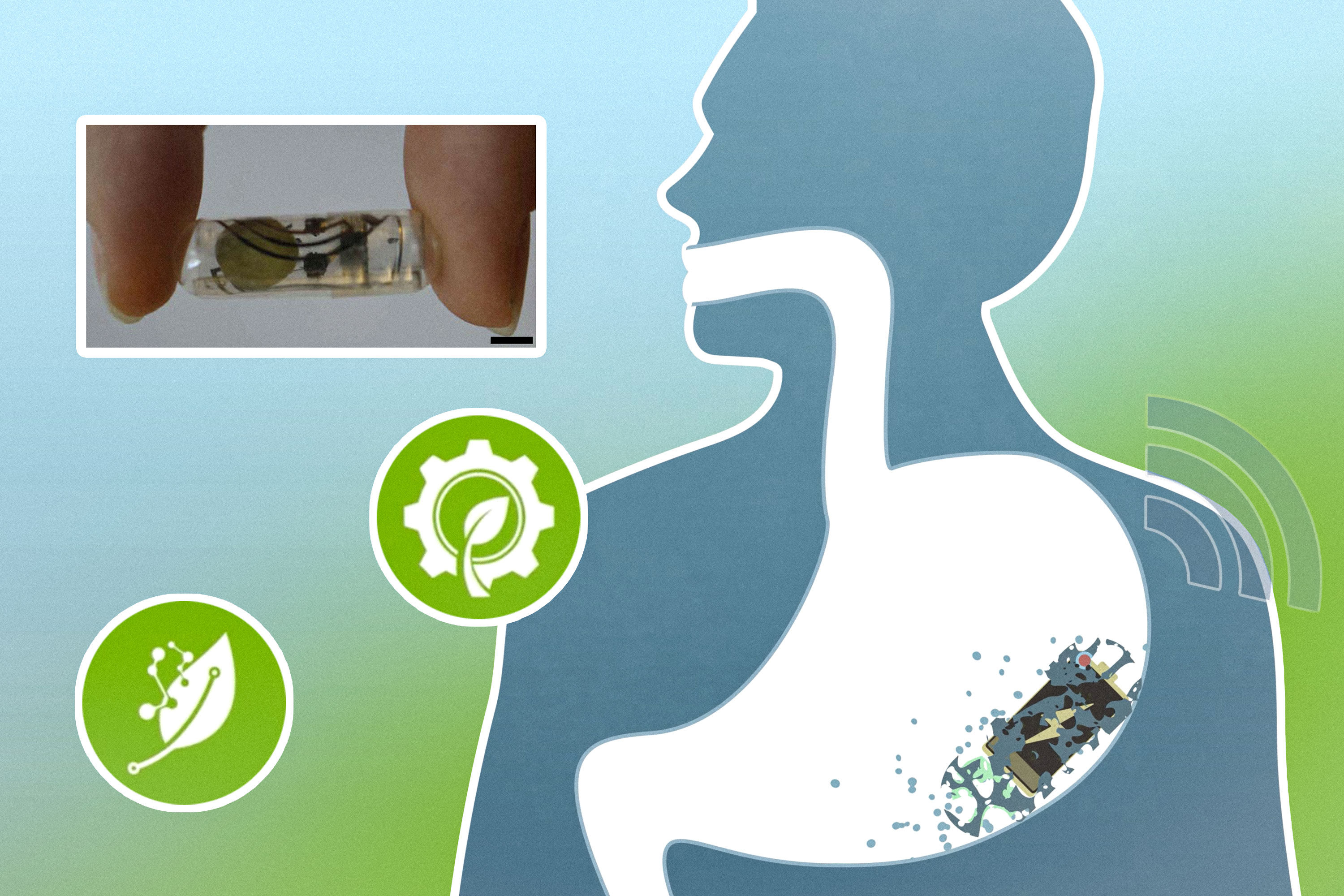
A dissolving battery could power future medical capsules
An MIT prototype powered two kinds of ingestible electronics in experiments and then gradually broke down.
 Ecology
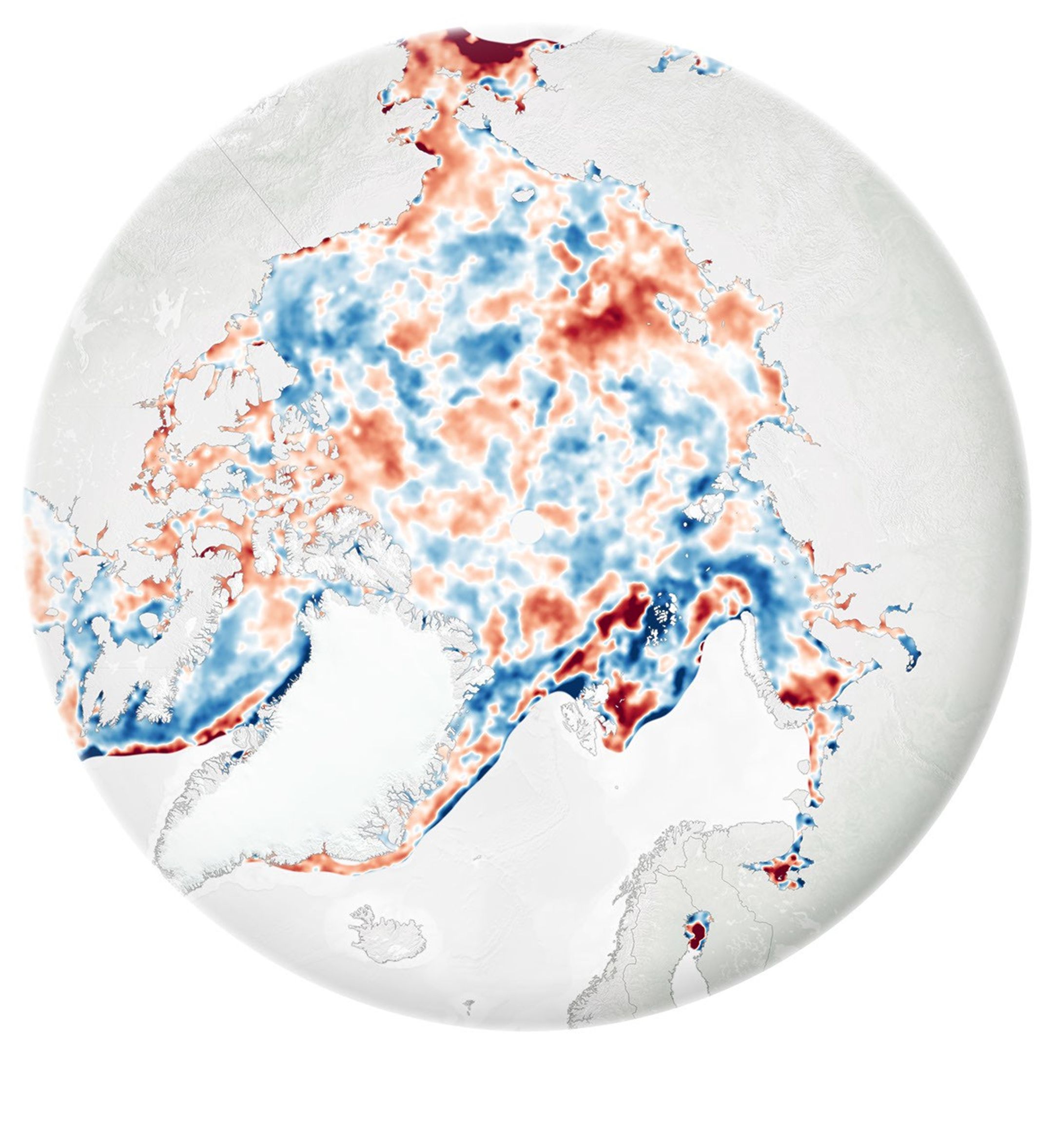
Why has the Arctic melt season stopped growing as quickly?
Satellites show a pause in one trend since about 2010, but Arctic sea ice remains far more vulnerable than it was decades ago.
 Space
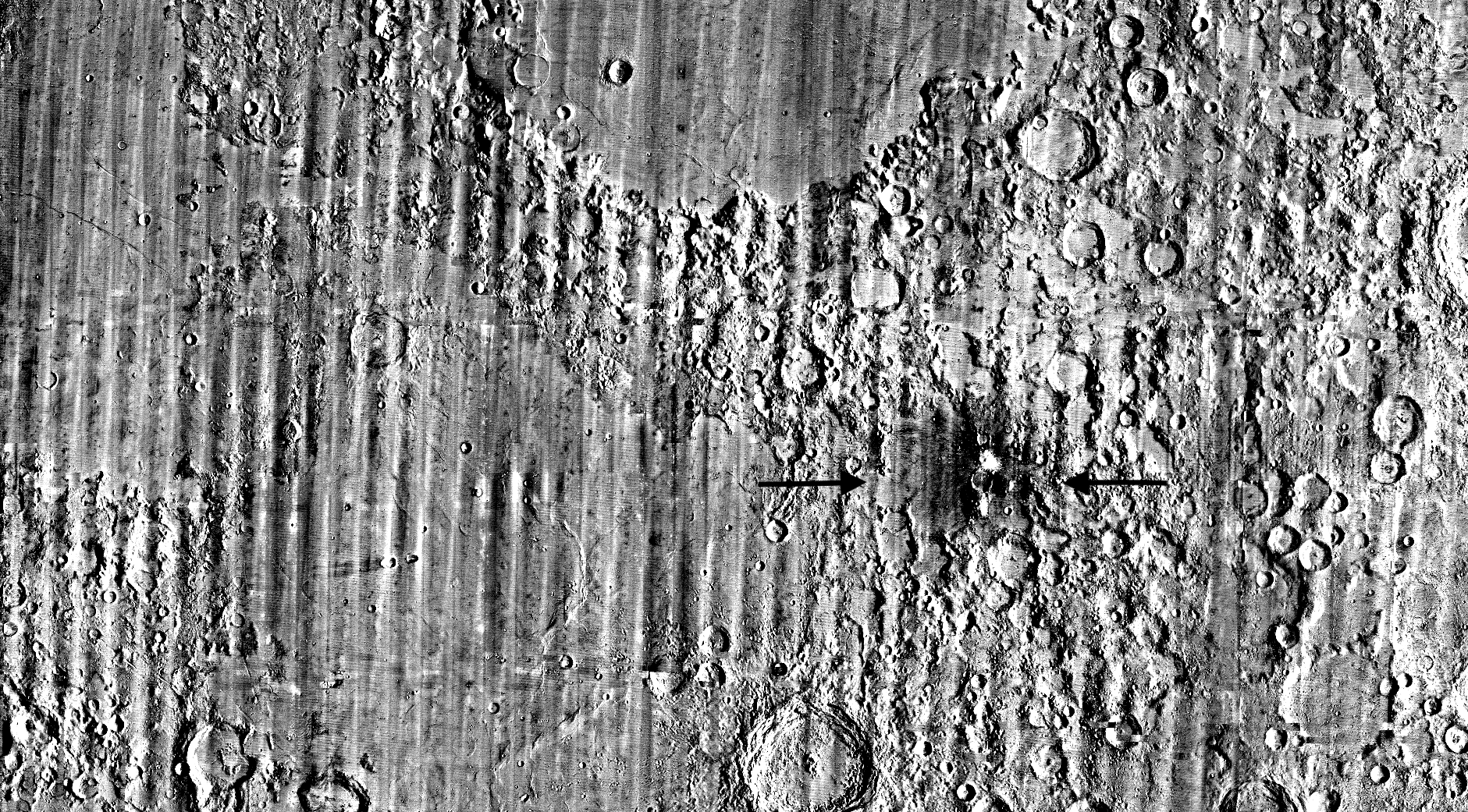
SpaceA new 222-metre crater on the Moon: how NASA found the impact
Orbital images and temperature measurements revealed an unusually large new crater and narrowed down when it formed.
 Space
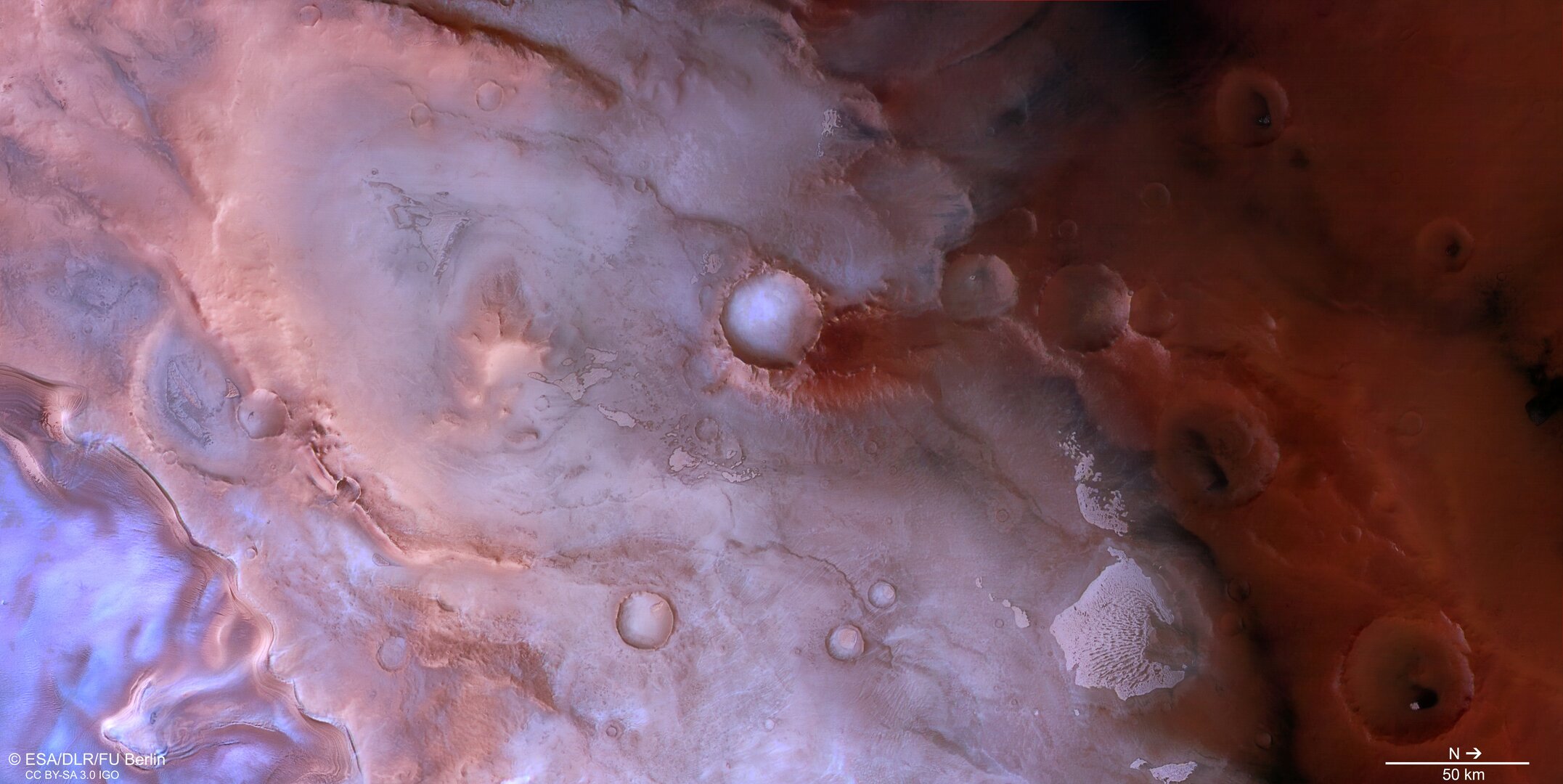
SpaceWhy does Mars look purple and rippled near its south pole?
A new Mars Express image reveals steep cliffs, dust and frost at Thyles Rupes. The unusual color tells us about light and surface materials, not life.
 Physics
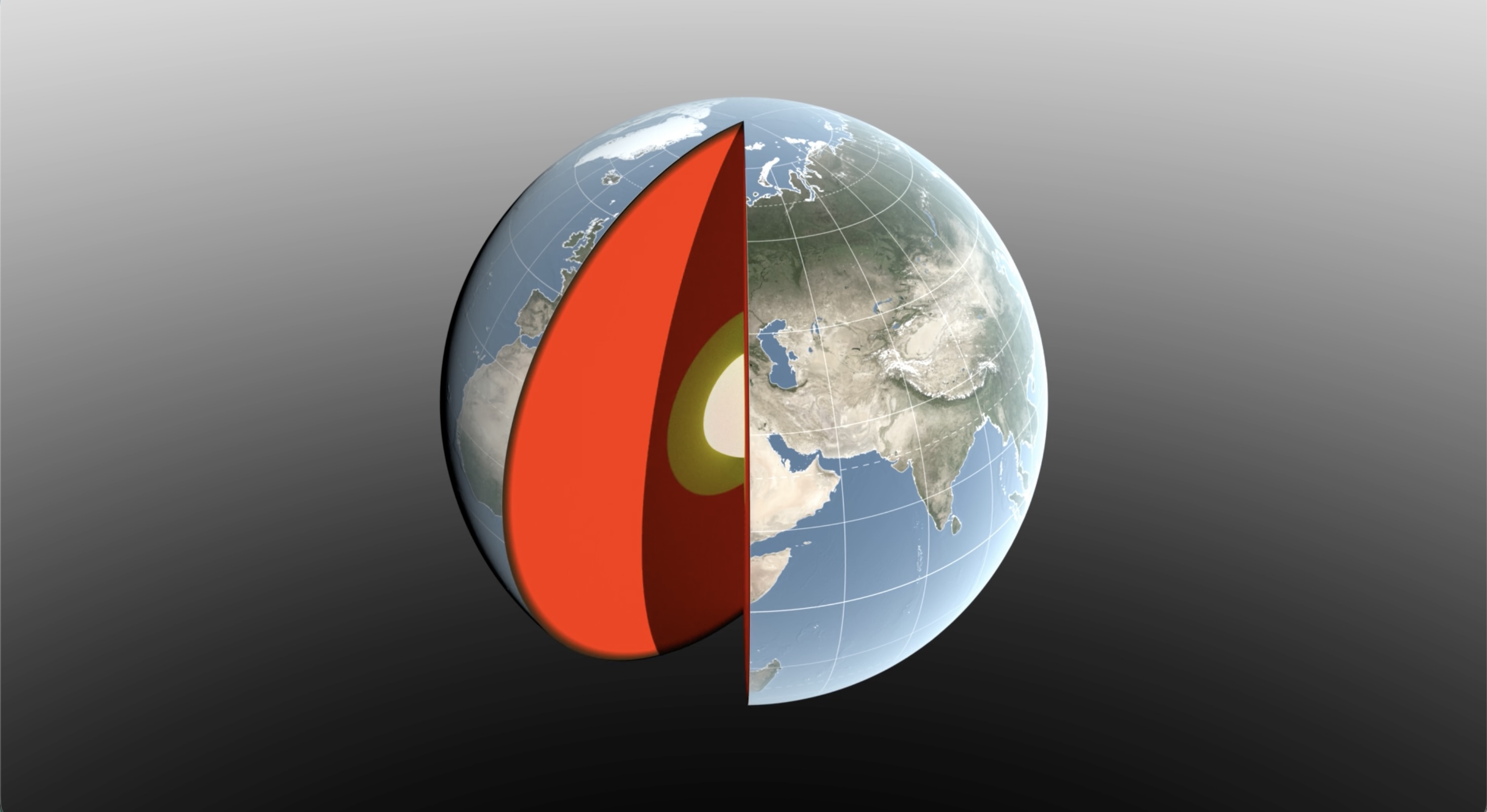
How NASA measures Earth’s shifting center to the millimeter
Water, snow and ice change how our planet’s mass is distributed. Precise measurements reveal a tiny seasonal shift in its center of mass.
 Ecology
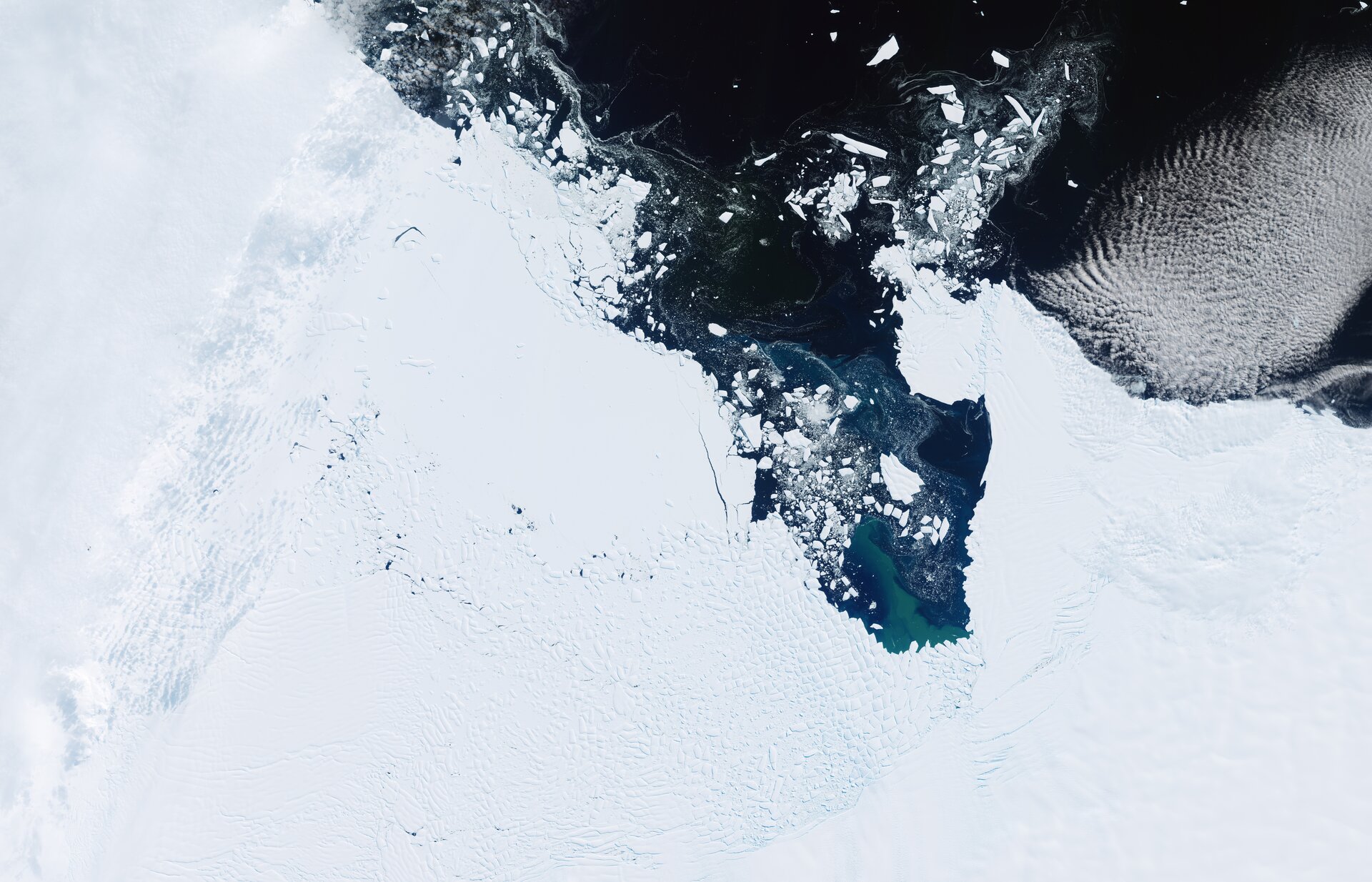
Faster glaciers drive decades of polar ice loss
A half-century satellite record shows that Greenland and Antarctica lost about 11.3 trillion tonnes of ice. Faster glacier flow carried most of it into the sea.
 Ecology
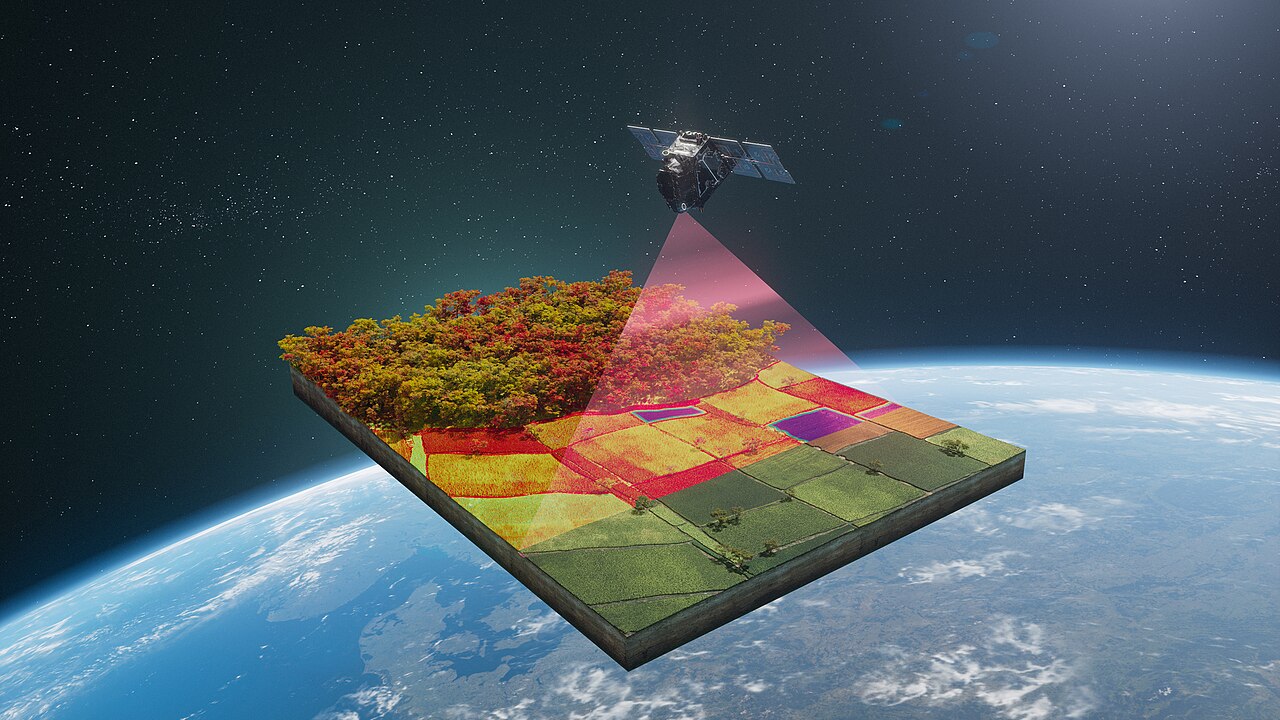
FLEX and Sentinel-3C launched to observe Earth
Two European satellites will track plant health, oceans, ice and the atmosphere.
 Technology
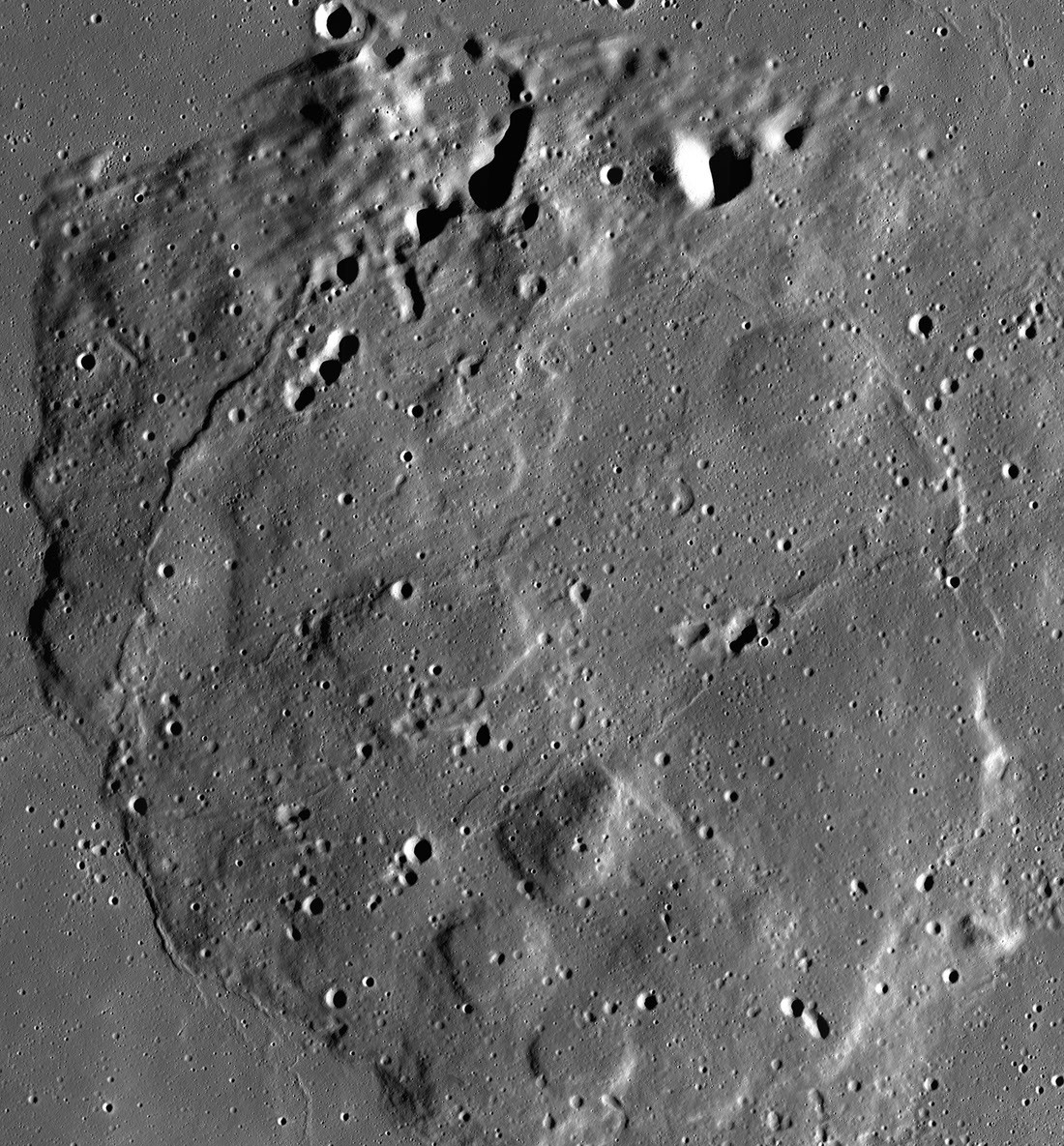
NASA and IBM release an AI model for Moon science
The open model learned from roughly two million lunar image patches. It may help researchers find interesting terrain faster, but people must verify its suggestions.
 Space
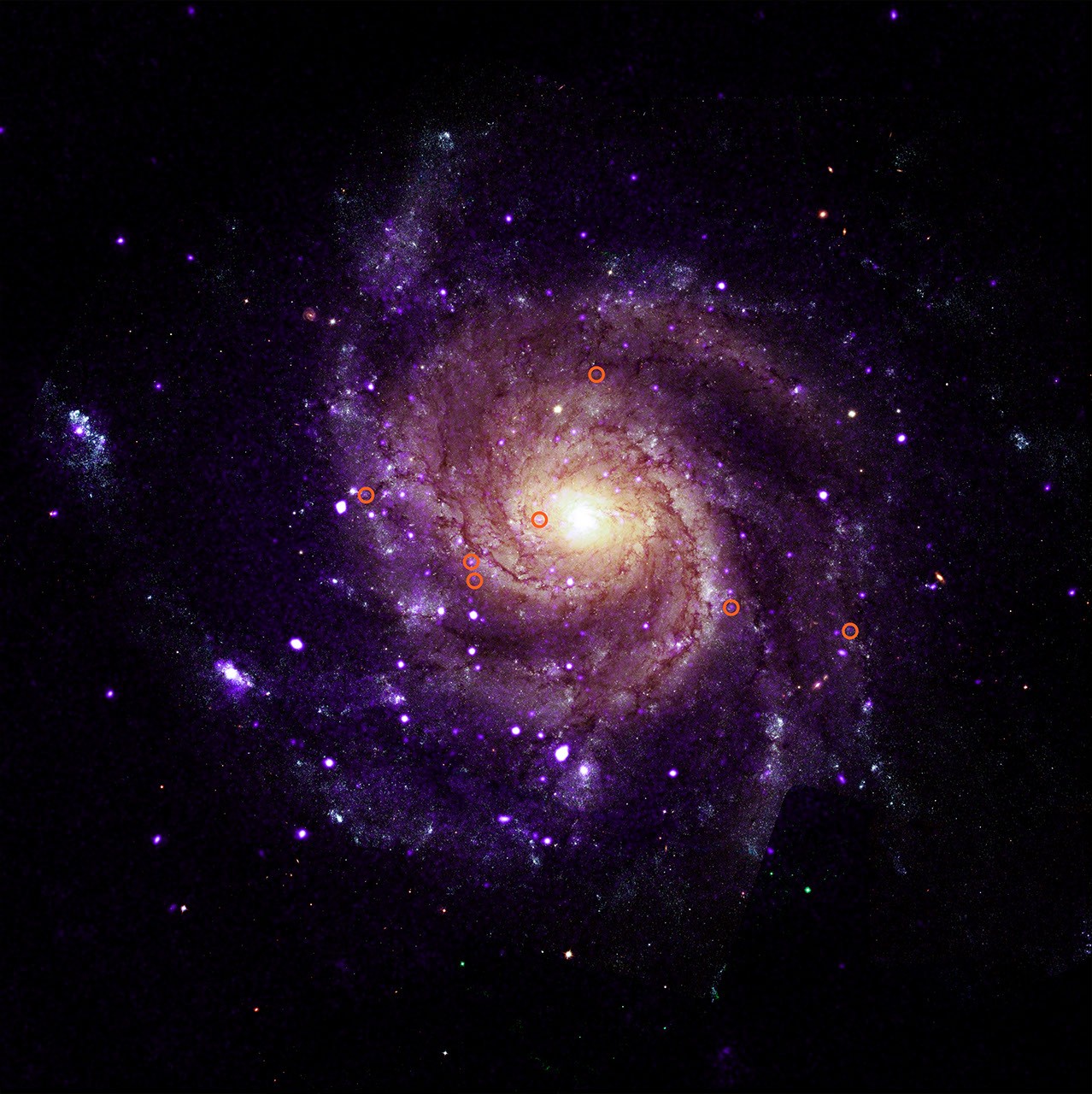
SpaceChandra finds 84 unusual X-ray sources
A survey of six galaxies identified objects bright in soft X-rays and ultraviolet light. What they are remains uncertain.
 Space
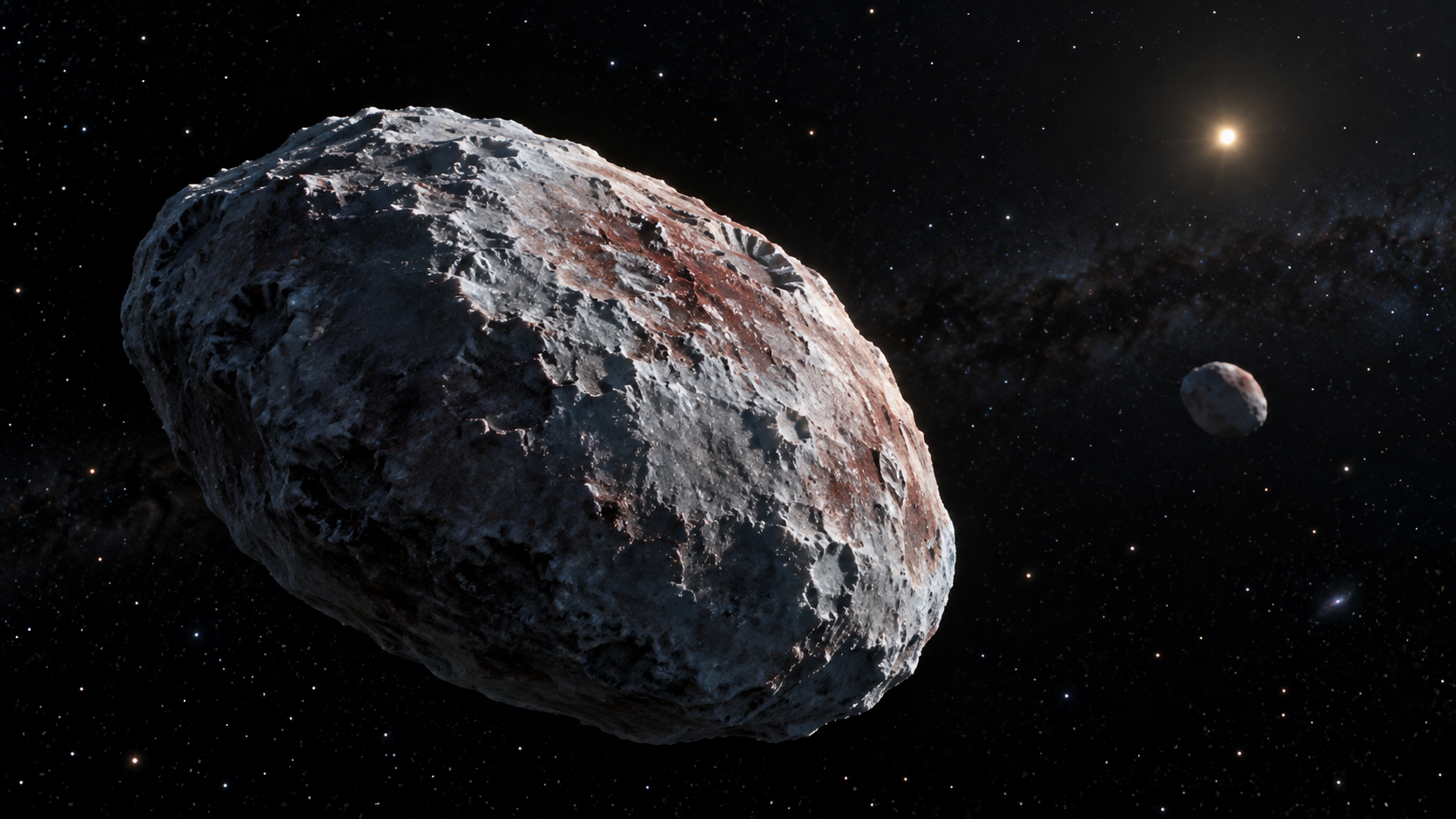
SpaceSmall worlds beyond Neptune preserve the past
Hubble and Webb together studied 27 tiny, faint bodies near the edge of the Solar System.
 Technology
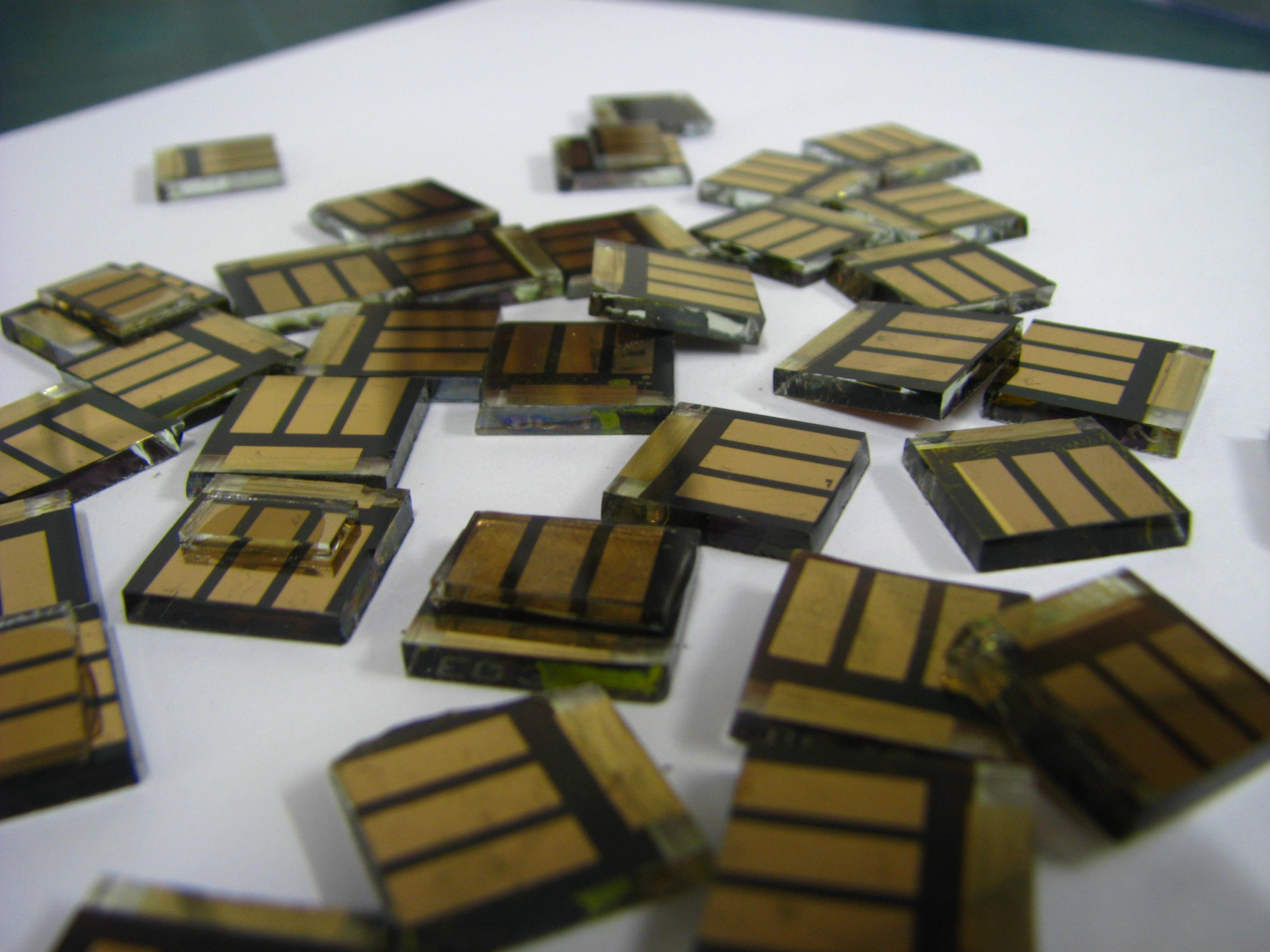
A molecular “raincoat” protects a lead-free solar cell
A protective arrangement within tin perovskite helped a laboratory cell reach 16.2% efficiency while resisting degradation.
 Space
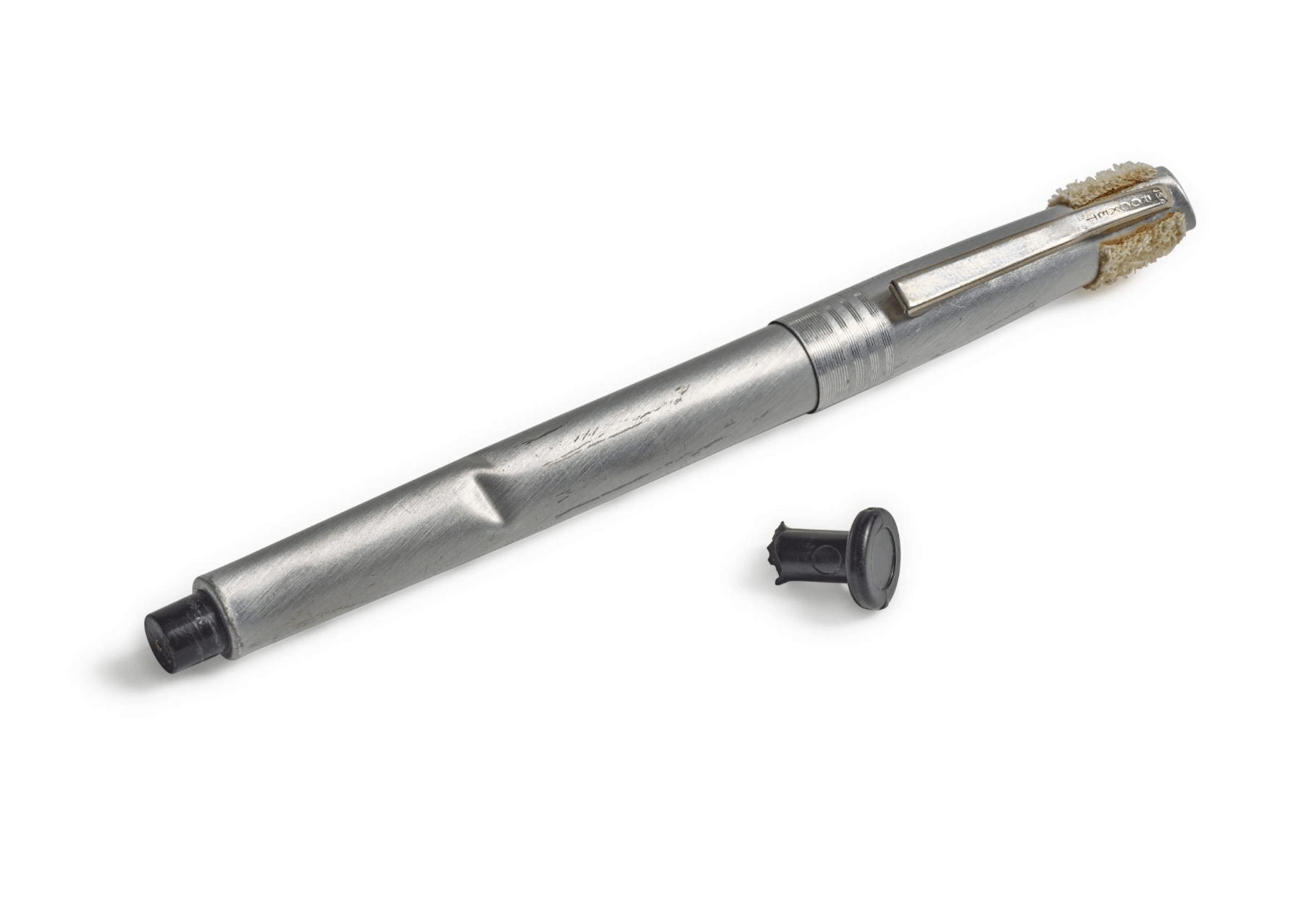
SpaceMarker used to help Apollo 11 leave the Moon sells for $857,600
Buzz Aldrin used an ordinary felt-tip marker to press a damaged circuit breaker in the lunar module. The marker and broken switch cap have now been sold together.
 Space
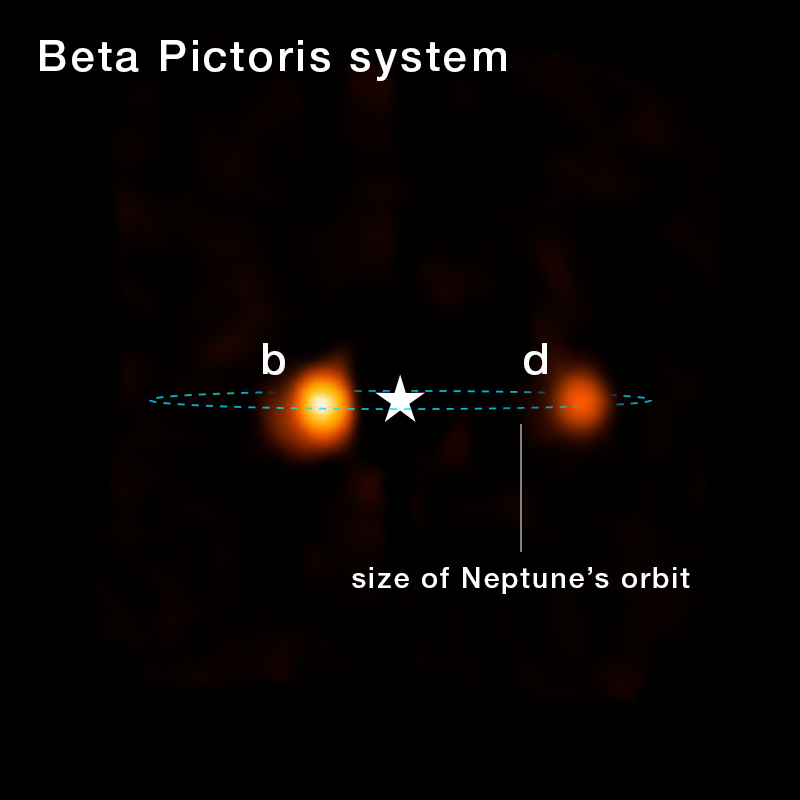
SpaceWebb finds a hidden planet in a familiar star system
A third giant planet in the Beta Pictoris system was found through a chemical fingerprint in its atmosphere.
 Space
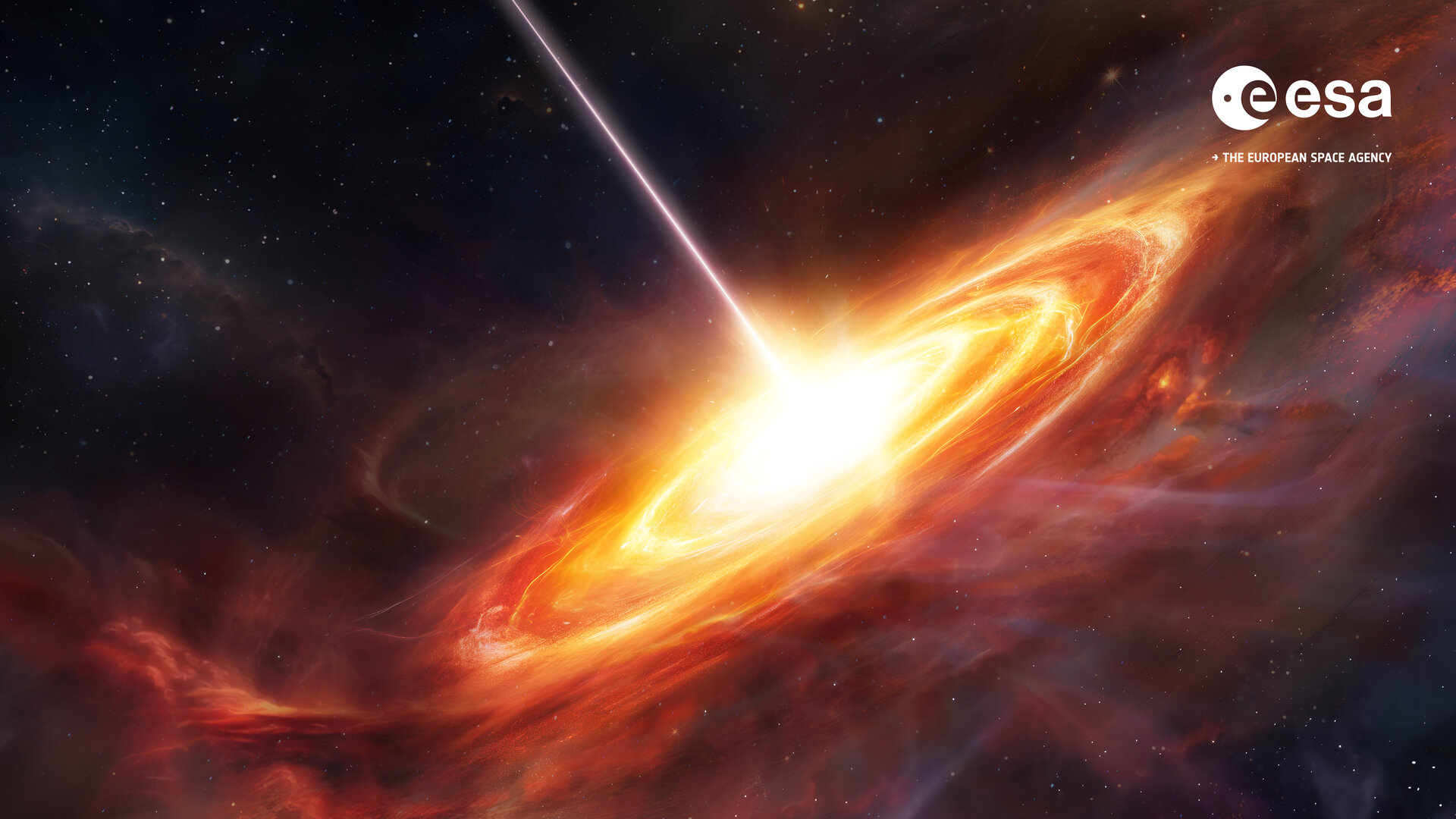
SpaceEuclid finds quasars from the universe’s youth
The European telescope identified 31 early quasars, including two seen about 670 million years after the Big Bang. Their light raises questions about how black holes grew so fast.